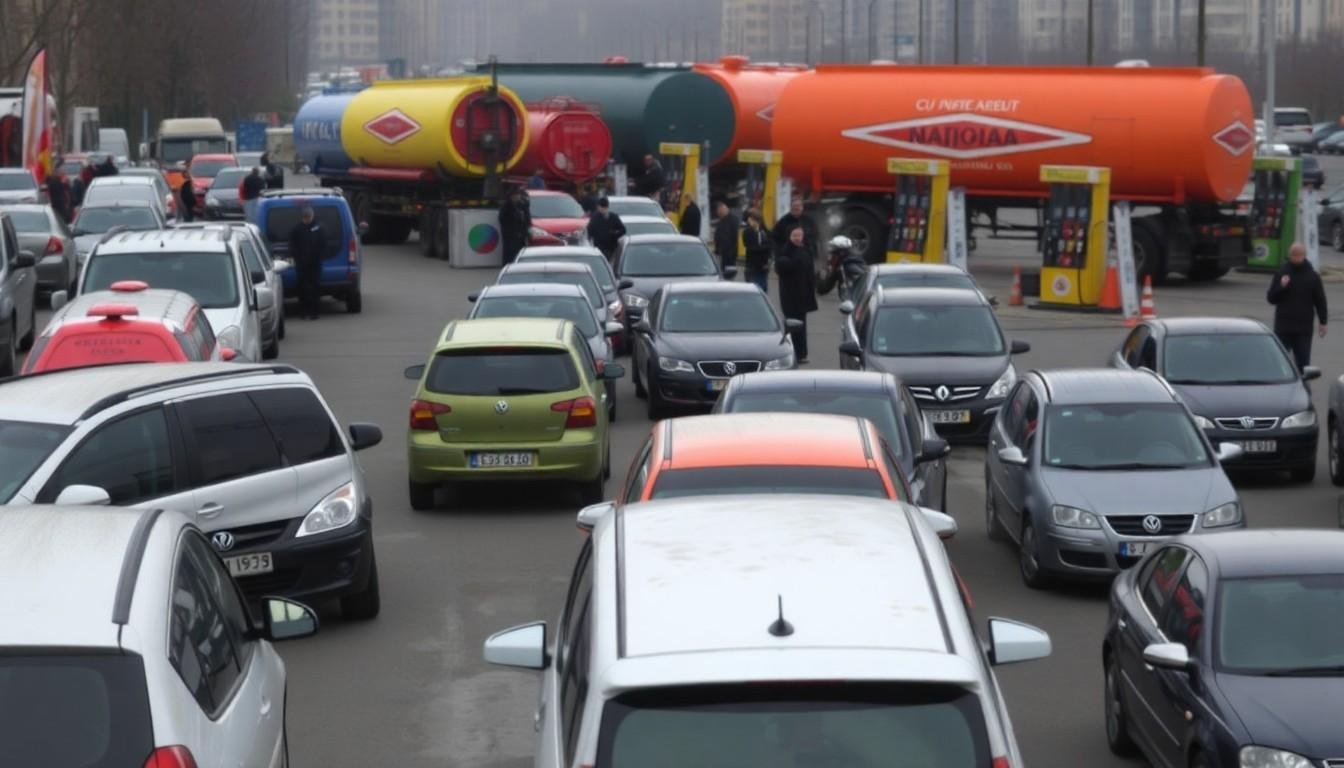
Russia’s fuel crunch is deepening as repeated Ukrainian strikes on refineries continue to disrupt output, leaving motorists facing long queues, tighter rationing and sharper price rises across much of the country.
The worst pressure is being felt in southern regions and in Crimea, where prices have surged dramatically and some filling stations have stopped selling fuel to private customers and businesses altogether, according to the reports. Local authorities have also been f...
Continue Reading This Article
Enjoy this article as well as all of our content, including reports, news, tips and more.
By registering or signing into your SRM Today account, you agree to SRM Today's Terms of Use and consent to the processing of your personal information as described in our Privacy Policy.
orced to curb public transport and electricity use in some areas as supplies tighten.
In response, officials in several regions have capped purchases at between 20 and 60 litres per vehicle and barred the use of portable containers, a move intended to deter panic buying and stockpiling. Even so, shortages remain widespread, particularly in the Volga region and Siberia.
The crisis has spread well beyond isolated localities. Reporting from the Washington Post said long lines have become common at petrol stations, while ITV News, citing CNN analysis, reported that almost all of Russia’s 83 regions have been affected. The scale of the disruption is unusual for one of the world’s biggest energy producers and has brought the war’s economic costs sharply home to ordinary Russians.
Some easing has been seen in Moscow and parts of central Russia, where imports have increased and lower-grade fuel is being allowed into the market. But that has not removed the wider strain. According to the OSW think tank, fuel rationing has now been introduced in roughly half of Russia’s regions, while the government has also turned to emergency measures such as boosting imports from Belarus and, more recently, India, and relaxing fuel standards.
The underlying problem is damage to refining capacity. The Carnegie Endowment said Ukrainian strikes have increasingly targeted refineries rather than export infrastructure, with the result that Russia has had to ship out more crude while producing less refined fuel at home. OSW said refinery throughput has fallen sharply this year, and that retail fuel prices have risen well ahead of official inflation.
For now, Moscow appears to be relying on stopgap interventions rather than a durable fix. But with attacks continuing and repair work repeatedly disrupted, analysts warn the shortage could worsen further.
Source: Noah Wire Services