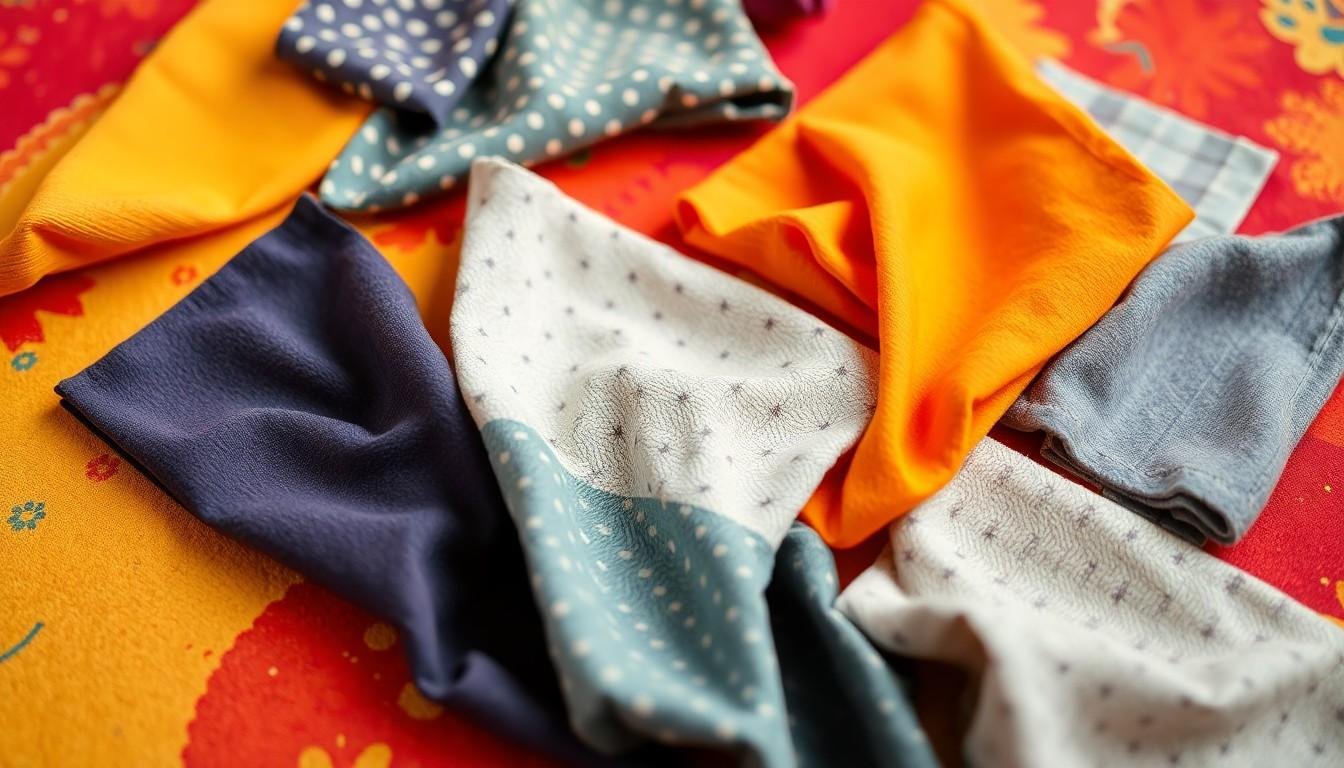
For textile and apparel brands, the cost of sample books is often treated as a routine line item. Yet the larger burden is not always visible on the invoice. Once production, assembly, customs, couriers, storage and wasted stock are taken into account, physical distribution can become a far heavier drag on margins than many teams assume.
A digital-first alternative is being pushed by Viztry.ai, which says its AI visualisation platform lets brands turn fabric snippets into reali...
Continue Reading This Article
Enjoy this article as well as all of our content, including reports, news, tips and more.
By registering or signing into your SRM Today account, you agree to SRM Today's Terms of Use and consent to the processing of your personal information as described in our Privacy Policy.
stic, real-scale imagery for buyers, retailers and sales teams. The company claims this can reduce sample overhead, speed up launches and give commercial teams a more immediate way to sell collections through a white-labelled mobile showroom app.
In its own breakdown, Viztry.ai compares the annual cost of distributing 5,000 sample books across three seasonal collections with a digital deployment. It places physical production and assembly at $125,000, logistics and shipping at $65,000, and the total annual overhead at about $190,000, versus a platform cost of roughly $1,200 to $6,000. The company says that shifting early-stage sampling online can cut upfront launch costs by 84% and turn a six- to eight-week wait into an overnight rollout.
Viztry.ai points to Brand X, a global performance textile supplier, as evidence that digital visualisation can do more than replace swatches. According to the company, the brand cut sample overhead by 80% by dropping the first two rounds of physical prototyping and keeping physical swatches only for final approvals. It also claims return rates fell by 34% and sales cycles shortened by around 14 days.
“We didn’t just replace our swatches; we replaced the friction in our sales cycle,” the vice-president of product at Brand X said.
The pitch goes beyond presentation. Viztry.ai argues that every interaction with a fabric, colourway or pattern scale produces useful zero-party data, helping brands identify buyer intent earlier and make better inventory decisions. In its view, a digital showroom can do what a printed book cannot: show which fabrics attract attention, which styles are ignored and which lines deserve deeper production commitments.
That argument is not uncontested. Sample book specialists and textile industry guides still maintain that physical swatches remain valuable because they convey texture, drape and finish in ways screens struggle to match. Sample books are also presented as a relationship tool, helping customers move from browsing to buying with fewer surprises and fewer returns. Harris Sample Book, which has been making textile sample books since 1968, says its swatch, stack and page books are built to present colours, widths and patterns in a durable format suited to longer-running lines.
The broader debate, then, is not whether digital tools have arrived, but where they fit. Physical sampling still has a role in final sign-off and products where touch matters most. But for brands wrestling with rising logistics costs, slower launches and mounting waste, the case for reducing the number of books printed, packed and shipped each season is becoming harder to ignore.
Source: Noah Wire Services