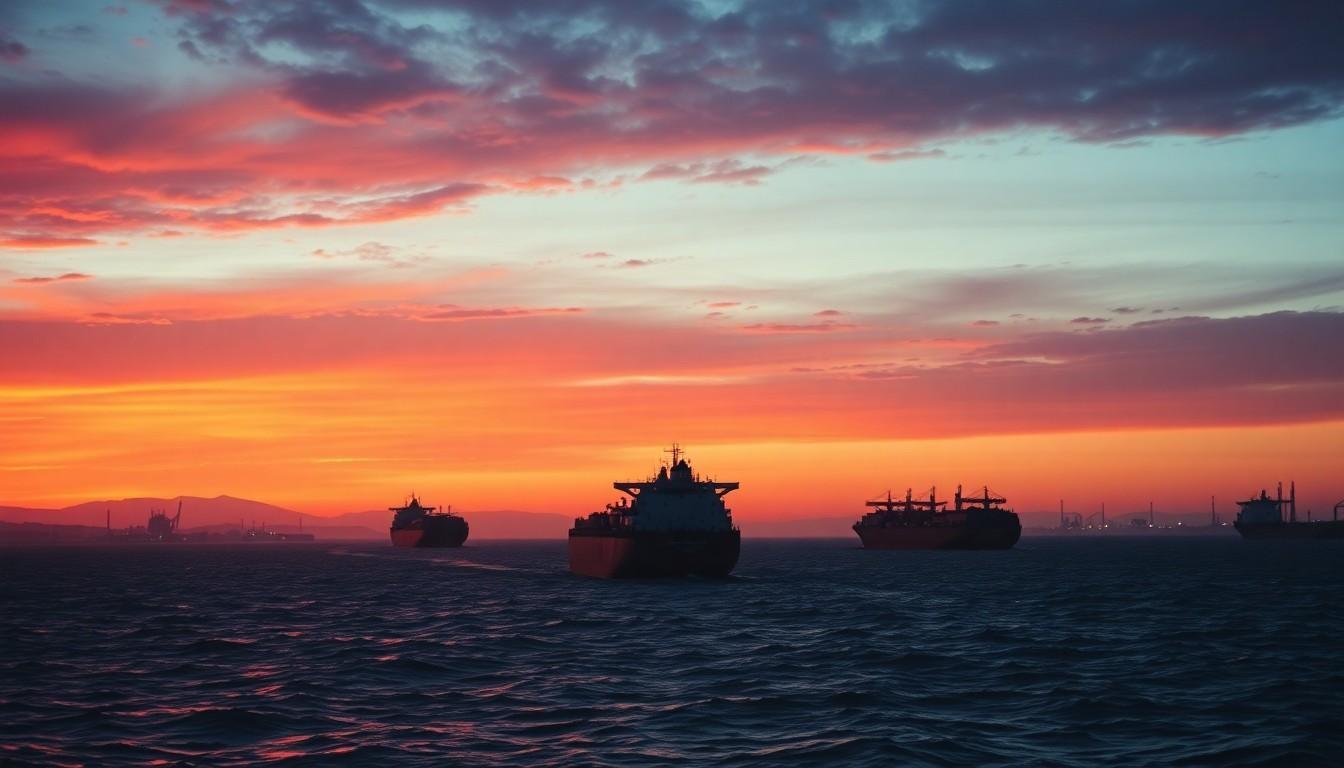
The war with Iran has left a lasting reminder of how much of the global energy system still depends on a narrow maritime passage barely 20 miles wide.
When the conflict escalated earlier this year, Tehran threatened shipping through the Strait of Hormuz, the route used for a large share of Middle Eastern oil and liquefied natural gas exports. Importers across Asia responded defensively: some restricted exports, others lowered duties or rationed fuel in an effort to keep supplie...
Continue Reading This Article
Enjoy this article as well as all of our content, including reports, news, tips and more.
By registering or signing into your SRM Today account, you agree to SRM Today's Terms of Use and consent to the processing of your personal information as described in our Privacy Policy.
s flowing. The fears were immediate and severe, but the worst-case predictions did not fully materialise.
Six months on, the market has proved more resilient than many analysts expected. Oil output rose in key producing countries, emergency inventories were drawn down and the surge in prices, while sharp, stopped short of the extremes that had been forecast. The International Energy Agency coordinated the release of 400 million barrels from strategic stockpiles in March, its largest intervention on record, while producers including the United States, Saudi Arabia and the United Arab Emirates lifted output and export capacity.
Even so, the episode has altered the way governments and companies think about energy security. According to the Baker Institute, the Strait was effectively closed for a month in March, exposing both the economic and physical vulnerability of Gulf exporters. U.S. Congressional Research Service material published through the U.S. Naval Institute described the waterway as strategically central to global oil and gas transport and noted the military calculations triggered by Iranian efforts to restrict access.
For many in the industry, the episode was a wake-up call. Carole Nakhle, chief executive of Crystol Energy, said the crisis showed how cheaply hostile actors can threaten infrastructure worth billions of dollars. Saul Kavonic, head of energy research at MST Financial, argued that the shock has pushed the sector away from just-in-time thinking towards what he called just-in-case supply chains.
The concern is especially acute in Asia. Before the war, roughly a fifth of global oil trade moved through Hormuz, and more than four-fifths of that volume was headed for Asian buyers, notably China, India, Japan and South Korea. Japan, heavily exposed to imports from the Middle East, has begun looking harder at alternative supplies, including investment in Australia’s Northern Territory. Energy companies have also accelerated plans to diversify gas sourcing, with LNG buyers seeking exposure beyond the Gulf.
Gas remains the more difficult problem. Oil can be rerouted in part through pipelines and alternate terminals, but LNG lacks the same flexibility. That makes prolonged disruption through Hormuz particularly dangerous for customers in Asia, especially those dependent on immediate deliveries. Qatar, one of the world’s biggest LNG exporters, has been working through diplomacy, customer diversification and contingency planning to keep its export channels open.
The market’s relative calm has also been helped by the size of global stockpiles. The IEA requires member states to hold at least 90 days of oil imports in reserve, and similar gas storage rules were strengthened after Russia’s invasion of Ukraine. China’s large inventories also played an outsized role, drawing down domestic holdings and leaving more crude available elsewhere.
Yet the broader strategic lesson is clear. Even if the Strait is not fully shut again, the mere prospect of disruption has shown how much leverage lies with any actor able to threaten it. For oil exporters, the response is now under way: new ports, new pipelines and new routes designed to reduce reliance on the strait. If those projects succeed, the share of global oil needing to pass through Hormuz could fall markedly from pre-war levels.
For now, the world has escaped the full-scale energy collapse many feared. But the conflict has changed the calculation. The Strait of Hormuz is no longer being treated as an abstraction in risk models; it is now seen, in effect, as a pressure point that can shape prices, supply chains and policy across Asia and beyond.
Source: Noah Wire Services