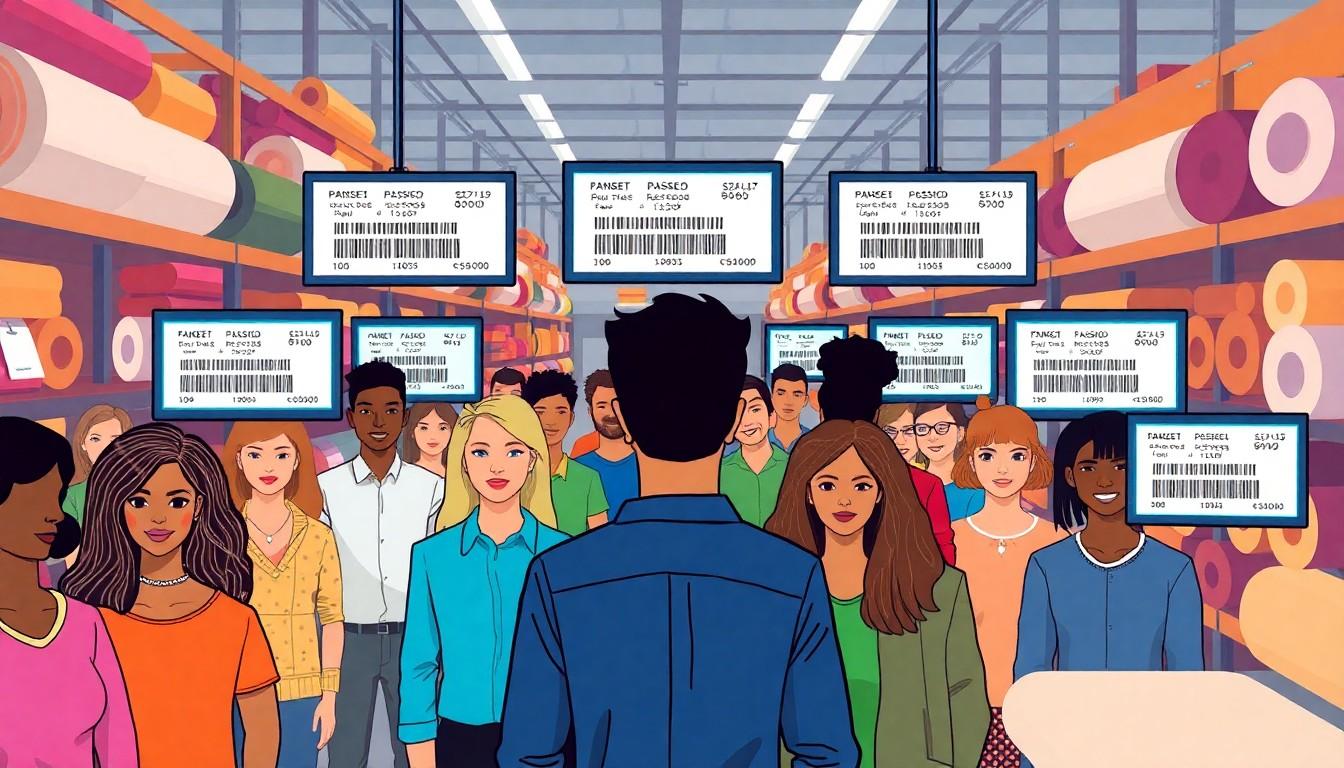
Weavabel has joined forces with Bombiix in a move aimed at helping fashion brands get ready for the European Union’s digital product passport regime, as pressure mounts on the sector to improve traceability and disclose more information about what it sells.
According to the companies, the partnership is designed to bring together Weavabel’s packaging and labelling expertise with Bombiix’s product lifecycle management and passport software, creating a more joined-up system...
Continue Reading This Article
Enjoy this article as well as all of our content, including reports, news, tips and more.
By registering or signing into your SRM Today account, you agree to SRM Today's Terms of Use and consent to the processing of your personal information as described in our Privacy Policy.
for handling the data that brands will need to share. Both businesses are based in the UK.
The collaboration comes as the fashion industry braces for a new layer of compliance under the EU’s Ecodesign for Sustainable Products Regulation, the framework introduced in 2024 that is expected to underpin digital product passport requirements across a wide range of goods sold in the bloc. Exact textile rules are still not final, but DPP providers have been urging brands to start preparing now rather than waiting for the detailed obligations to arrive.
At its core, the digital passport is intended to give consumers, regulators and supply chain partners access to a product’s life story: where it came from, what it contains, how it should be cared for and what should happen to it at the end of use. For fashion businesses, that means collecting and maintaining information that is often scattered across suppliers, systems and departments.
Lucy Blackley, Bombiix’s founder and chief product officer, said the main difficulty for brands is that essential product information is split across multiple teams and platforms. She said the partnership with Weavabel is meant to offer a more connected way of working. David Stutterheim, a DPP consultant at Weavabel, said brands can no longer treat compliance information, product records and physical execution as separate tasks.
Weavabel said the combined offering would bring together details such as product identity, sustainability data and environmental impact information, then link that material to care labels and digital entry points, including QR codes. The company said each passport would be hosted on a secure independent domain so that information remains available over time and can support future accessibility requirements under the EU rules.
Weavabel has already been positioning itself around traceability, saying on its website that its platform can track certified materials through the supply chain using blockchain-backed verification. Bombiix, meanwhile, has been arguing that digital product passports should be seen not only as a regulatory obligation but also as a way to improve operations, strengthen customer trust and support more credible brand storytelling.
For now, the business case may be running ahead of the legislation. But as the EU’s textile passport rules draw closer, brands are being told that the hard work starts well before enforcement does.
Source: Noah Wire Services