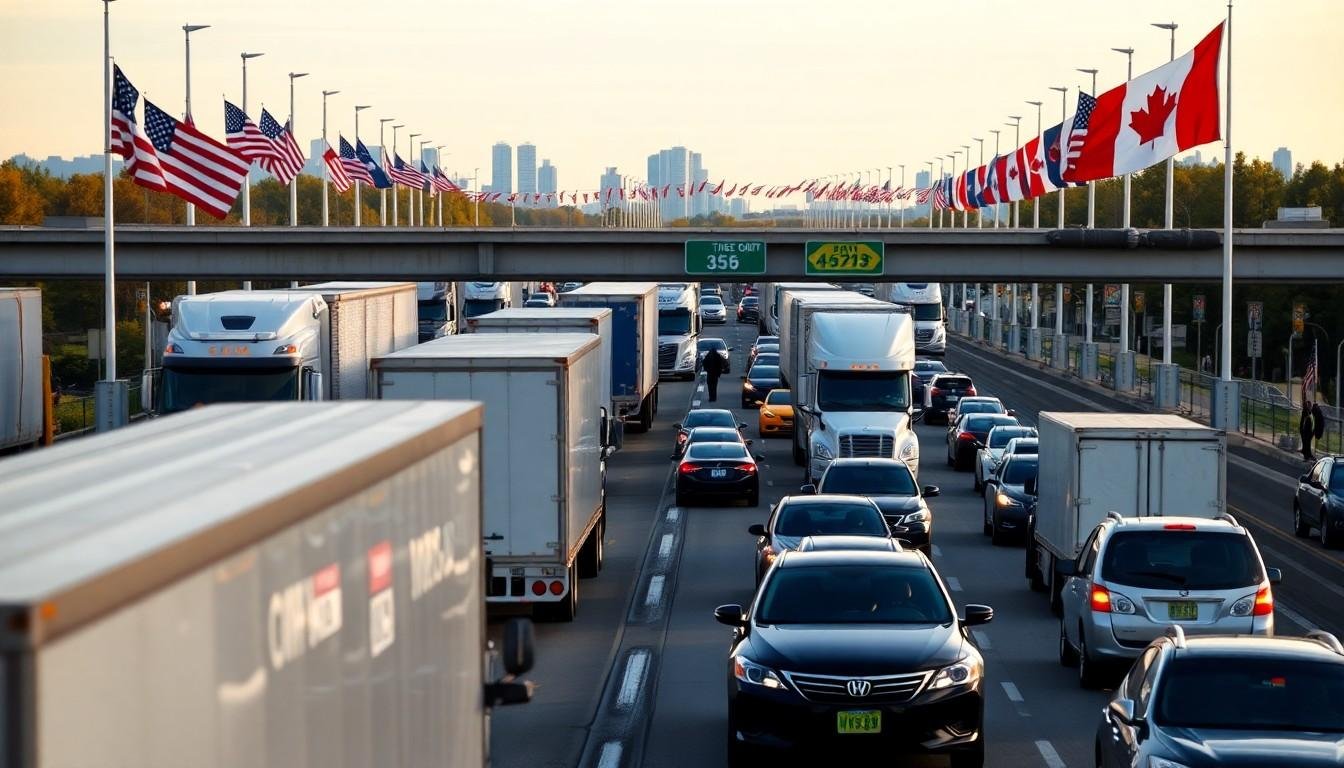
Washington is preparing to unleash another round of tariff pressure on Canada, deepening a trade fight that has already unsettled businesses on both sides of the border.
According to Axios, the Trump administration has announced a 50% levy on a selection of Canadian goods, including hockey sticks, wine and cement, with the measure due to take effect next month. The move is expected to hit about $20 billion in annual Canadian imports and is being framed by the White House as a r...
Continue Reading This Article
Enjoy this article as well as all of our content, including reports, news, tips and more.
By registering or signing into your SRM Today account, you agree to SRM Today's Terms of Use and consent to the processing of your personal information as described in our Privacy Policy.
esponse to what it calls discriminatory treatment of American exports, including Canada’s removal of some US liquor from store shelves.
The latest step adds to an already volatile tariff landscape. Earlier this year, the US imposed a temporary 10% import tariff on goods from around the world under Section 122 of the Trade Act of 1974, with that measure set to expire on 24 July 2026, according to EY. That broad duty sits alongside earlier tariff campaigns launched in 2025, when the US raised duties on Canadian and Mexican imports under emergency powers and later expanded universal and reciprocal tariffs across a wide range of trading partners, as reported by Dentons and GT Law.
The Canada-specific escalation also reflects a shift in legal strategy. Axios reported that the administration is leaning on older tariff authorities after a Supreme Court ruling restricted the use of emergency powers for trade policy, allowing the White House to keep pressing ahead with its agenda through other statutory routes.
Canadian officials have said the new tariffs breach the US-Mexico-Canada Agreement and have pledged to seek renewed negotiations. That response suggests the dispute is likely to remain a central test of North American trade relations, especially after months in which tariffs have moved from targeted measures to broader, more punitive economic leverage.
Source: Noah Wire Services