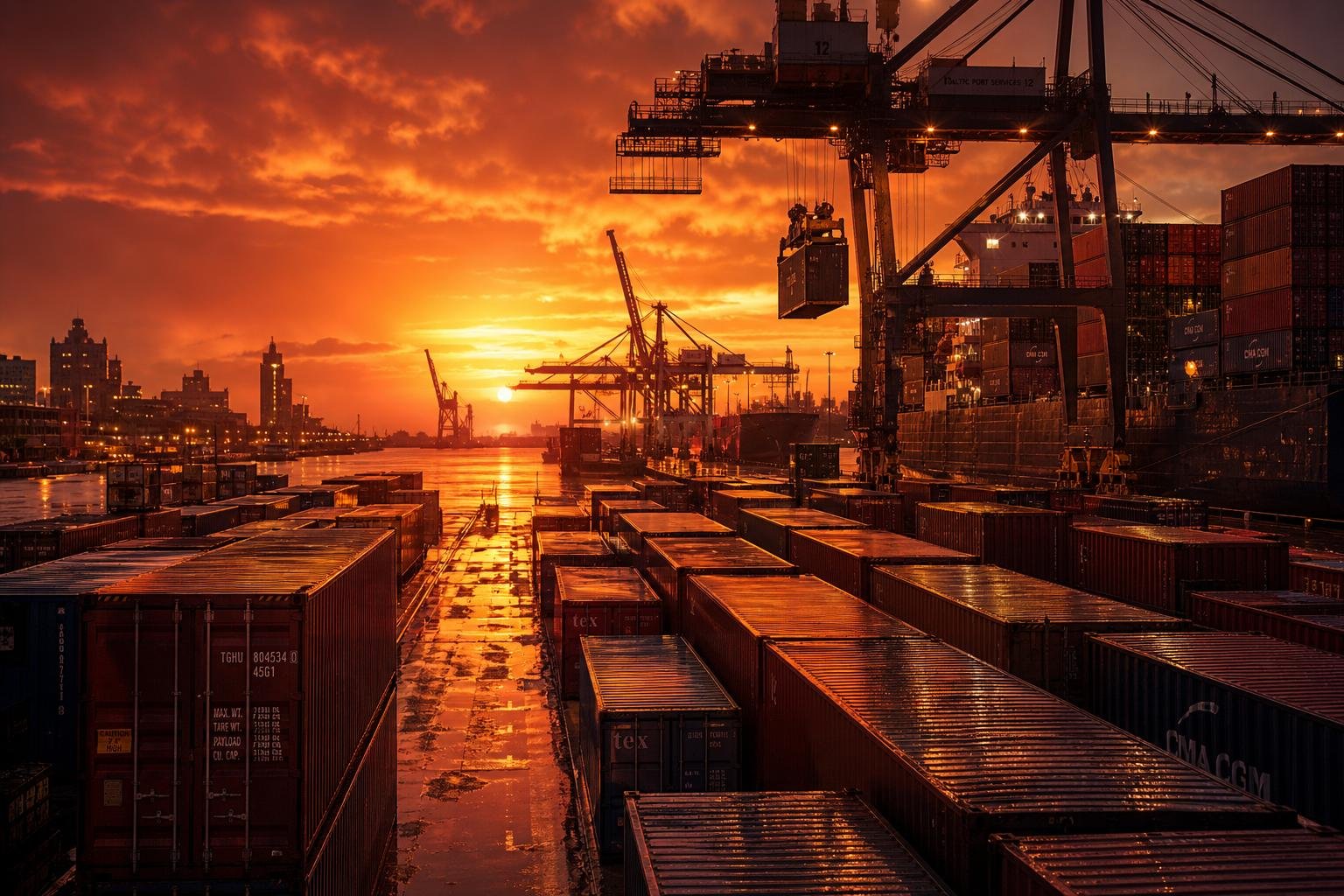
The United States has indicted seven Chinese executives and four of the world’s biggest shipping container manufacturers, accusing them of running a years-long cartel that restricted supply and pushed up prices during the COVID-19 era, according to the Department of Justice.
Prosecutors say the alleged conspiracy ran from November 2019 to at least January 2024 and covered nearly all of the world’s standard dry, unrefrigerated shipping containers. The DOJ said the companies ...
Continue Reading This Article
Enjoy this article as well as all of our content, including reports, news, tips and more.
By registering or signing into your SRM Today account, you agree to SRM Today's Terms of Use and consent to the processing of your personal information as described in our Privacy Policy.
involved account for about 95% of global production in that segment, giving the case unusual reach across an industry central to international trade.
According to the Justice Department, the scheme took shape just as the pandemic began to disrupt supply chains and accelerate demand for containers. Officials allege the manufacturers used that market power to limit output, coordinate pricing and extract higher profits while shippers faced severe bottlenecks. The department said container prices roughly doubled between 2019 and 2021, while manufacturers’ profits rose sharply.
Associate Attorney General Stanley Woodward, announcing the case, said the firms had exploited the pandemic and their market position to tighten pressure on the supply chain for financial gain. Prosecutors say the result was higher costs for U.S. consumers and longer delays for goods moving through the global logistics network.
One of the defendants, Vick Nam Hing Ma, a 54-year-old marketing director at Singamas Container Holdings, was arrested in France in April and is awaiting extradition to the United States, the DOJ said. Six other executives remain at large. Singamas had not responded to requests for comment, according to the reports.
The case adds to a wider wave of pandemic-era enforcement actions by U.S. authorities, who have increasingly scrutinised conduct they say took advantage of wartime-like strains on supply chains, transport and consumer markets.
Source: Noah Wire Services