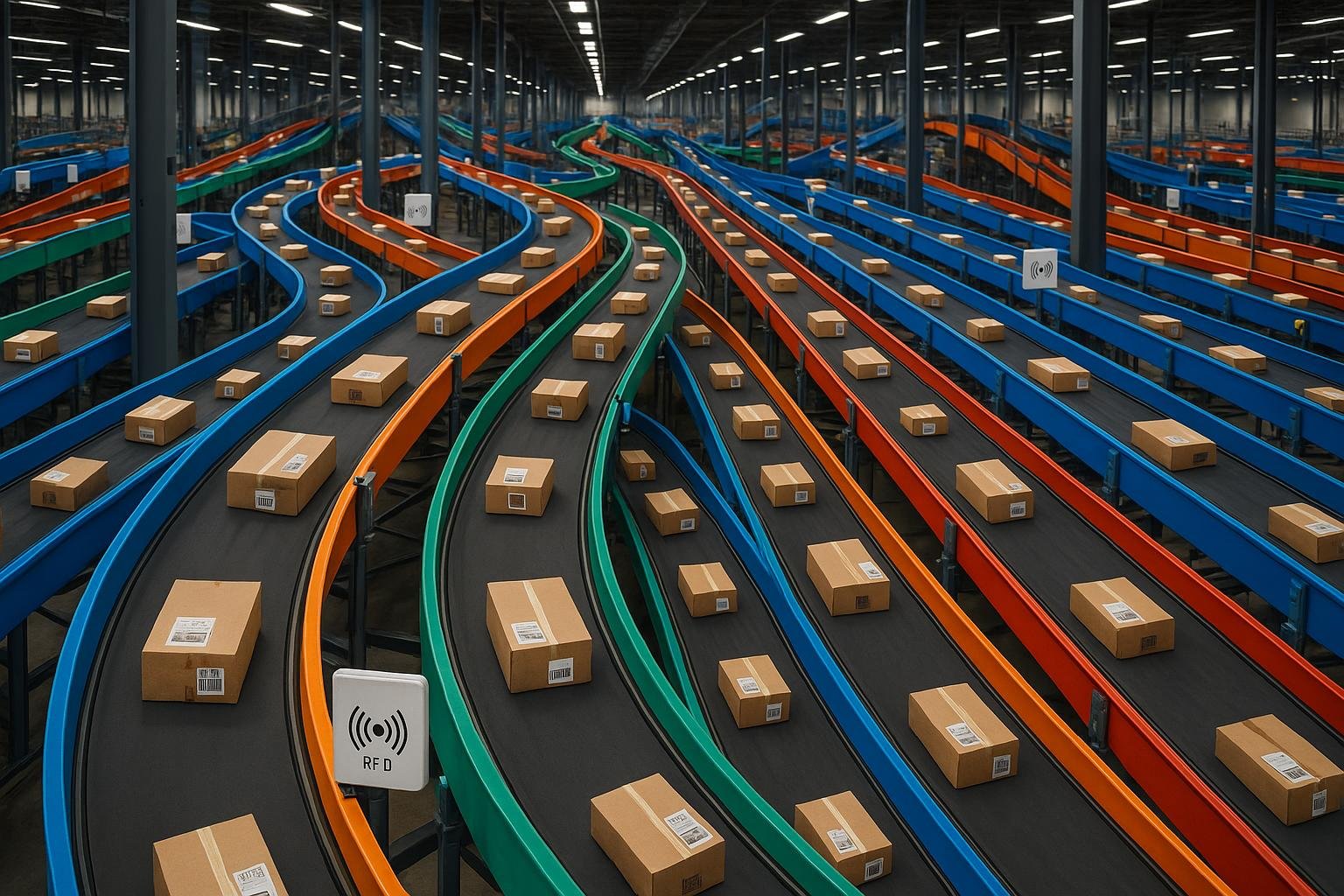
UPS has finished rolling out RFID-based parcel sensing across its US small-parcel operation, a move the company says will give customers a more continuous view of shipments from collection to final delivery.
The system is now built into delivery vehicles, sorting sites and more than 5,500 UPS Store locations in the United States, allowing packages to be identified automatically as they move through the network. UPS says the technology removes the need for manual scans at each h...
Continue Reading This Article
Enjoy this article as well as all of our content, including reports, news, tips and more.
By registering or signing into your SRM Today account, you agree to SRM Today's Terms of Use and consent to the processing of your personal information as described in our Privacy Policy.
andoff and is designed to cut down on missed updates and improve tracking accuracy.
According to the company, more than $100 million has been invested in developing and deploying the platform, which it presents as a key part of its broader Network of the Future strategy. Matt Guffey, UPS executive vice president and chief commercial and strategy officer, said the rollout marks a major shift in supply chain visibility, with customers able to follow shipments throughout the journey without relying on repeated barcode scans.
Industry coverage has described UPS as the first major logistics provider to deploy RFID sensing at this scale across an integrated network. The difference matters because RFID can capture package movement automatically rather than depending on a scan by an employee, which in theory should give faster status updates and fewer gaps in tracking.
UPS has also indicated the system will support returns and other shipments accepted through its retail footprint, extending the sensing capability beyond line-haul and sortation operations into the point where parcels first enter the network.
Source: Noah Wire Services