The construction sector has spent much of its history juggling paperwork, disconnected teams and delayed information. That model is giving way to a more connected way of working, as digital project management becomes central to how firms plan, coordinate and deliver complex builds. What was once seen as a tool for major contractors is increasingly treated as a basic requirement for firms that want to keep pace on cost, speed and compliance.
Much of the pressure for change comes...
Continue Reading This Article
Enjoy this article as well as all of our content, including reports, news, tips and more.
By registering or signing into your SRM Today account, you agree to SRM Today's Terms of Use and consent to the processing of your personal information as described in our Privacy Policy.
from the nature of modern projects themselves. Tighter budgets, compressed schedules and heavier regulatory demands leave little room for error. Cloud platforms, mobile access and live reporting are helping teams spot issues sooner, rather than discovering them after they have affected the critical path. The result is a shift from reactive management to a more predictive approach, where decision-makers can respond while there is still time to adjust labour, materials or sequencing.
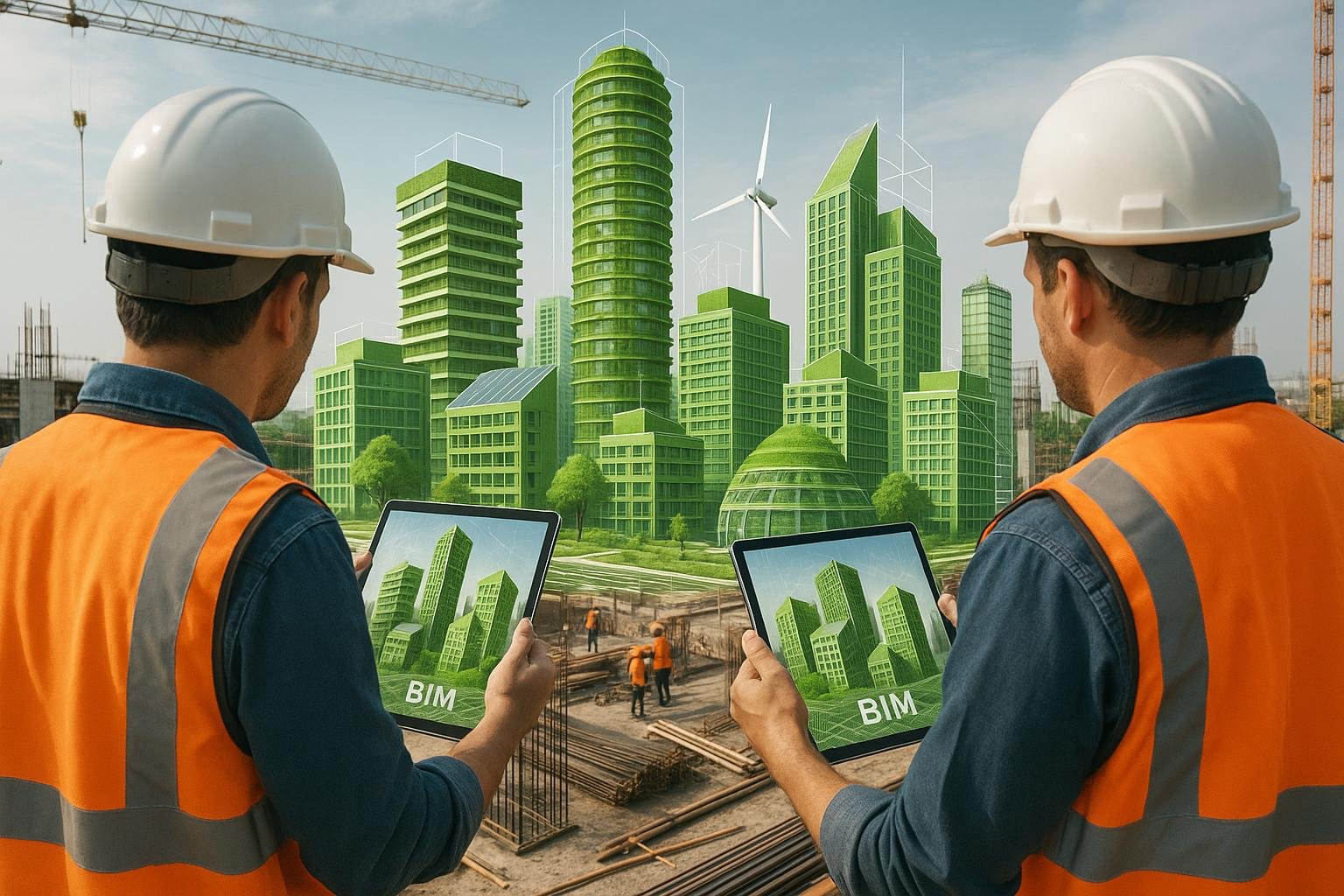
At the centre of this shift is Building Information Modelling. Far beyond a simple 3D visualisation tool, BIM has become a shared information environment that brings together architects, engineers, contractors and owners around a single digital model. Its value lies in coordination: clashes between structure, services and other systems can be identified during design instead of on site, where changes are slower and more expensive.
The model’s usefulness has also expanded through so-called extra dimensions. 4D BIM links the design to the programme, helping teams understand construction order and logistics. 5D adds cost information, making budget tracking more responsive. 6D extends the model into operations and maintenance, giving owners a richer record of what has been built and how it should be managed over time. In practice, these layers make BIM less a drawing tool than a long-term project record.
Researchers have increasingly argued that BIM is most powerful when paired with other digital systems. A systematic review published in Sustainability found that BIM, artificial intelligence and the Internet of Things are reshaping project management together, improving productivity, safety and sustainability while also creating new integration challenges. Another paper in Buildings noted that AI and BIM are becoming important to sustainable project delivery, particularly as the industry adopts Industry 4.0 methods that link digital and physical processes more closely.
That wider digital ecosystem is also changing day-to-day collaboration. Instead of waiting for drawings or reports to move between office and site, teams can now access current documents on mobile devices and upload inspection records, photographs and progress updates immediately. This reduces the risk of teams working from outdated information and gives managers a much clearer view of what is happening across the job.
The growing use of construction analytics is another sign of how far the sector has moved. As firms digitise more of their operations, they are accumulating data that can be mined for patterns in cost, productivity and risk. Historical records can improve future estimates, while live data can flag emerging problems such as recurring safety near-misses or underperformance by a subcontractor. Some technology providers now describe this as the foundation for predictive management, where algorithms help forecast delays or overruns before they fully emerge.
Artificial intelligence is likely to deepen that trend. Industry observers and research papers alike point to AI systems taking on repetitive administrative work, from tracking deliveries to processing submittals, while machine-learning models identify relationships that are difficult for humans to detect at speed. The promise is not simply automation, but better judgement supported by faster analysis.
Procurement and supply chains are also being reshaped. Digital tools can streamline tendering, automate purchase orders and track deliveries in real time, reducing wasted time and limiting the need for excess storage on site. Some industry commentary goes further, linking these systems to wider changes such as digital twins, drones, augmented and virtual reality, modular construction and advanced estimating tools. Together, these technologies are recasting how projects are planned, monitored and handed over.
Sustainability has become another major driver. Digital platforms can now help track recycled content, carbon impact and sourcing records, giving firms better evidence of environmental performance. That matters not only for regulators but also for investors and clients who increasingly expect transparent reporting. In this sense, digital project management is becoming part of how construction companies demonstrate credibility as well as efficiency.
Safety, too, is benefiting from the shift. Real-time incident tracking and near-miss reporting make it easier to respond quickly to hazards, while virtual reality is being used to prepare workers for dangerous situations in training environments. As safety rules grow more complex, these tools are helping firms tighten compliance and reduce risk.
The broader picture is clear. Construction is moving away from isolated systems and delayed communication towards a more data-rich, collaborative model of delivery. The transition requires investment, training and cultural change, but the direction of travel is no longer in doubt. For an industry under pressure to build faster, smarter and more sustainably, digital project management is becoming the new operating standard.
Source: Noah Wire Services