Schneider Electric and Torngat Metals have signed a non-binding memorandum of understanding to examine a wider industrial partnership around one of North America’s most closely watched rare earth developments.
The agreement centres on Torngat’s Strange Lake project in Nunavik, alongside associated infrastructure in Labrador and a planned separation plant in Sept-Îles. According to the companies, the aim is to link mine development, processing and eventual industrial demand...
Continue Reading This Article
Enjoy this article as well as all of our content, including reports, news, tips and more.
By registering or signing into your SRM Today account, you agree to SRM Today's Terms of Use and consent to the processing of your personal information as described in our Privacy Policy.
into a single chain, rather than treating each step separately.
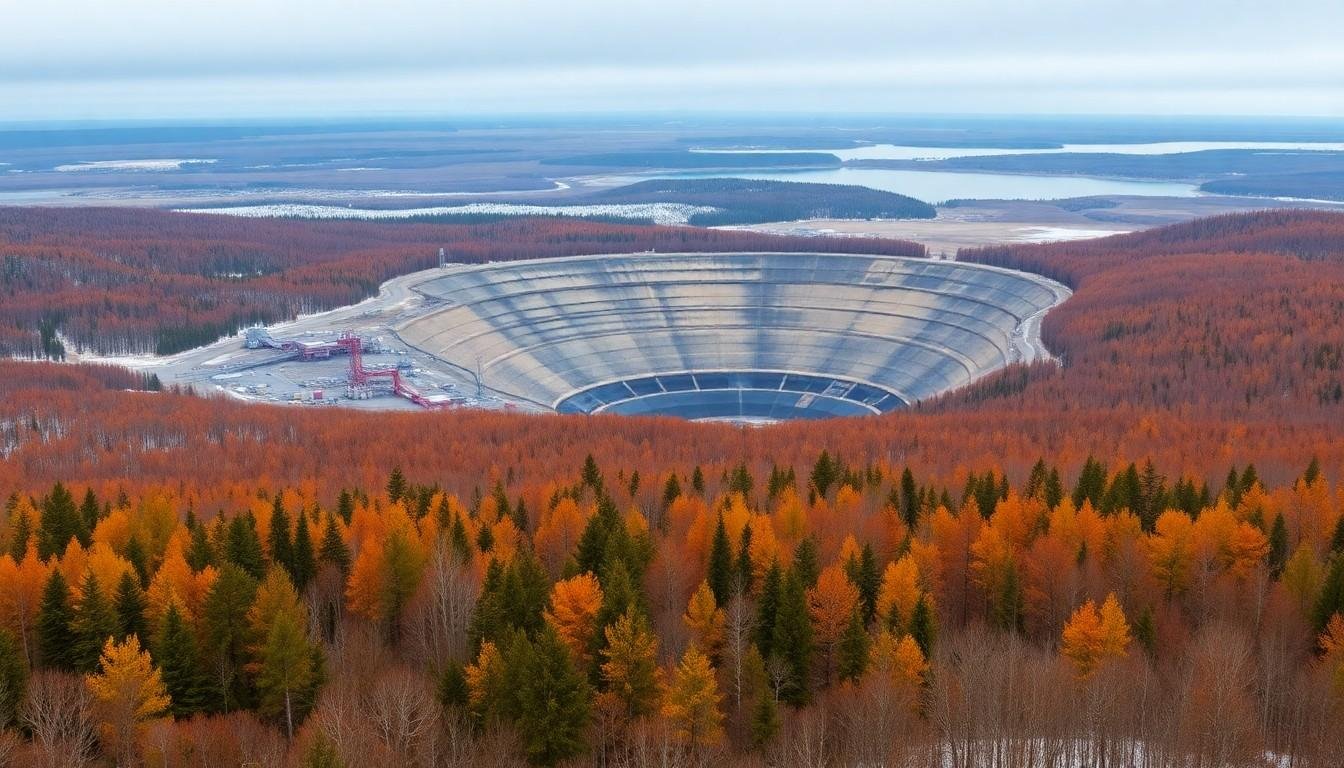
Torngat’s project has already been positioned as a significant critical minerals asset. In materials filed with Quebec’s environmental review body, the Strange Lake scheme is described as an open-pit rare earth mine near Brisson Lake, about 235 kilometres north-east of Schefferville, with a 160-kilometre access road and port connections on Labrador’s coast. The project also includes a mill, camp, tailings storage, an airstrip and other site infrastructure.
Schneider Electric said the partnership would draw on its expertise in electrification, automation, digital systems and industrial design, while also supporting its own supply-chain resilience. The company described the arrangement as a way to secure more responsible and compliant access to rare earths and magnets for strategic uses.
Torngat Metals has previously attracted outside backing to advance the project. In 2022, the company announced a US$50 million phased investment led by an affiliate of Cerberus Capital Management, underscoring the strategic importance attached to Strange Lake in the electrification supply chain.
The companies said the collaboration is intended to support production of both heavy and light rare earth elements, materials that are essential for permanent magnets used in renewable energy, digital infrastructure and advanced manufacturing. Schneider Electric’s Frederick Morency said the energy transition depends on “secure and responsible access to critical materials”, while Torngat’s Maryse Bélanger said the partnership could help build “not just a mine, but a complete, future-ready value chain”.
The agreement is not binding, but it reflects a broader push by industrial players to reduce exposure to fragile raw-material supply lines and to bring more of the critical minerals value chain under tighter control.
Source: Noah Wire Services