For many finance and operations teams, the problems are familiar: purchase requests sit unanswered in inboxes, invoices arrive without matching orders and spending slips beyond anyone’s view. Precoro was built around the idea that these are not isolated frustrations but symptoms of a broader failure in procurement control.
Founded by Andrew Zhyvolovych, the company positions itself as a cloud platform for procurement centralisation and spend automation, aimed at mid-market or...
Continue Reading This Article
Enjoy this article as well as all of our content, including reports, news, tips and more.
By registering or signing into your SRM Today account, you agree to SRM Today's Terms of Use and consent to the processing of your personal information as described in our Privacy Policy.
ganisations that want enterprise-style control without the cost and complexity of a full ERP overhaul. Precoro says it now works with more than 1,000 clients in over 80 countries, managing a very large volume of annual purchasing activity.
The business has taken an unusual route in a sector often dominated by heavily funded rivals. Rather than relying on venture capital, Precoro has grown through customer revenue, a model that appears to have kept product development closely tied to practical day-to-day needs. Customer feedback across review sites has tended to reflect that emphasis, with users frequently highlighting quick implementation, ease of use and responsive support.
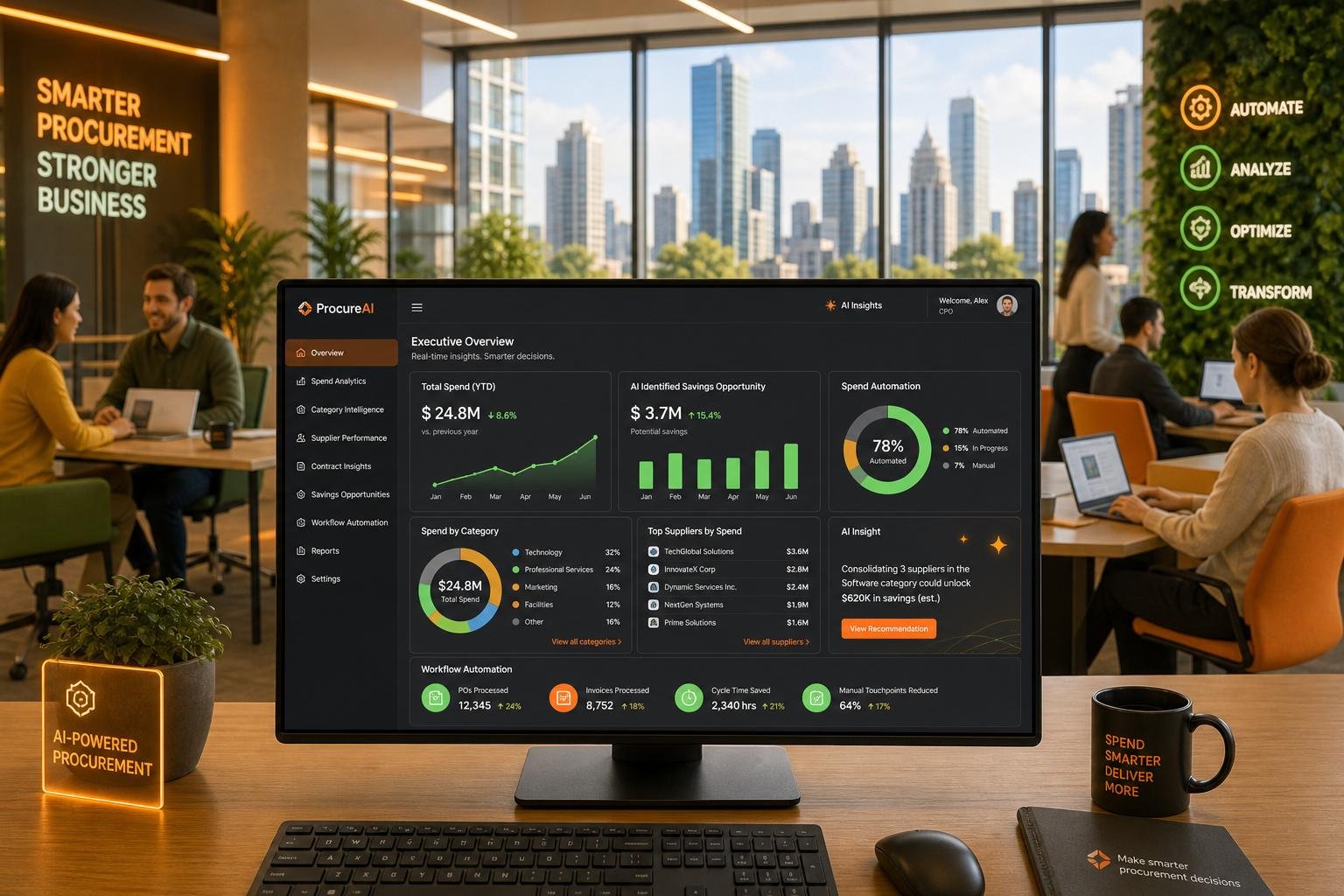
At the core of the platform is a procure-to-pay workflow designed to reduce manual handling. Requests can be routed through custom approval chains based on budgets and policy rules, purchase orders can be created and tracked in one system, and three-way matching is used to compare invoices, receipts and orders before payment. The company also centralises supplier information, contracts and performance data, while dashboards give managers a live view of spending by department, location or project.
Artificial intelligence has become a more prominent part of the pitch. Precoro says it added Google’s AI-powered OCR in 2024 to extract invoice details automatically and match them against purchase orders. Its mobile app also lets staff capture receipts on the move, with AI filling in the data before approvals are triggered. An AI Assistant is intended to let users ask plain-language questions about budgets or anomalies without building reports manually.
According to the company, integrations are another selling point, with support for systems including NetSuite, QuickBooks, Xero, Sage, Microsoft Dynamics, SAP Business One and Slack, alongside API connections for larger enterprise setups. That matters for businesses with multiple entities or sites, where approval chains and budget tracking can quickly become fragmented.
Precoro has also tried to strengthen its market standing through external recognition. It was named a Major Player in IDC’s AI-enabled procure-to-pay vendor assessment for 2025 and featured in Spend Matters’ Spring 2024 SolutionMap for e-procurement. The company also says it is a certified B Corporation and has set a carbon neutrality target for 2026.
For Zhyvolovych, the pitch is straightforward: procurement issues are usually visibility issues. If organisations can see what they are buying, who approved it and whether it matched what was received, many of the downstream problems begin to fall away. Precoro’s case is that it can deliver that visibility quickly, without the heavy lift many legacy systems demand.
Source: Noah Wire Services