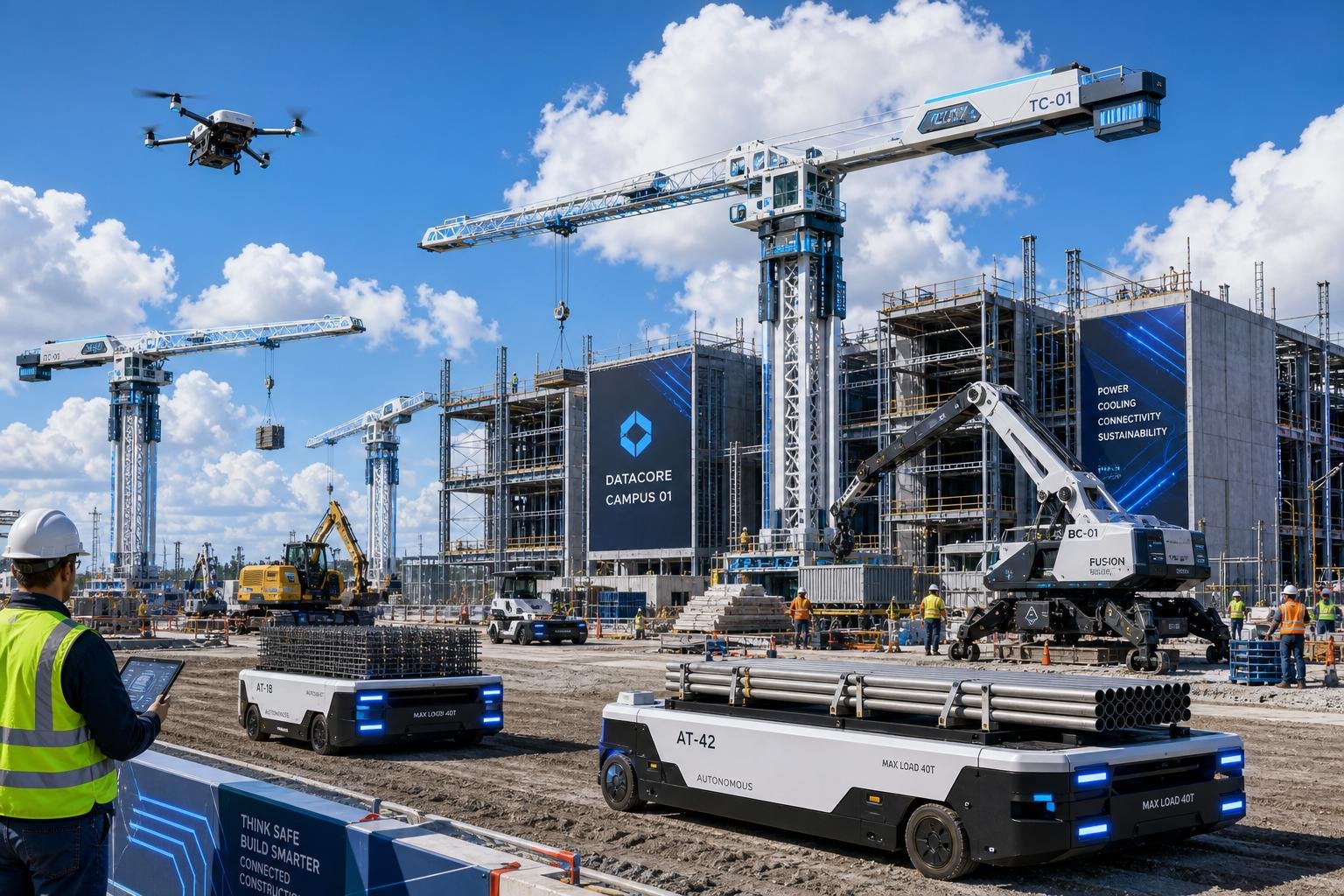
The rush to build data centres is exposing a problem that sits far away from the servers and power gear grabbing most of the attention: the basic mechanics of getting materials quoted, ordered, received and paid for. As contractors chase a wave of projects linked to artificial intelligence and digital infrastructure, the bottleneck is increasingly administrative rather than architectural, with manual procurement workflows slowing delivery just as schedules become tighter and more expe...
Continue Reading This Article
Enjoy this article as well as all of our content, including reports, news, tips and more.
By registering or signing into your SRM Today account, you agree to SRM Today's Terms of Use and consent to the processing of your personal information as described in our Privacy Policy.
nsive to miss.
That strain is not limited to electrical trades. Plumbing contractors are feeling it too, particularly on jobs involving cooling and water systems, where piping, valves and fittings must arrive on time and often in exact configurations. Industry estimates suggest data centre spending is heading towards about $700 billion in construction activity, while broader forecasts point to more than $3 trillion in global data centre investment over the next five years. Against that backdrop, even routine delays in quotes or order confirmations can ripple through a project and force crews to sit idle.
The problem is being worsened by the way orders still arrive. Requests for pricing can come in as emails, PDFs, photographs of handwritten notes or a patchwork of messages containing dozens, sometimes hundreds, of line items. Sales teams at distributors must interpret, rekey and push that information into enterprise systems by hand, a process that can take hours or days. For contractors, that lag makes it harder to lock in deliveries, sequence labour and commit to milestones with confidence.
The wider supply chain is under similar pressure. Reports on the sector show that lead times for some fibre-optic cable have stretched to as long as a year as AI facilities consume far more fibre than traditional servers. Other analyses point to long lead times, inconsistent product availability and the need for stocking programmes as common features of data centre work. At the same time, power access, water availability and specialist labour are becoming decisive constraints on which projects move forward and when.
That matters because the consequences of a miss are unusually severe. In projects where materials can account for as much as 70% of total cost, a delayed shipment is not just an inconvenience; it can undermine margins, push back commissioning and trigger expensive rescheduling. Contractors also have to manage invoices, purchase orders and delivery confirmations across multiple suppliers, which makes it harder to keep a clear view of cash flow and outstanding commitments.
This is why automation is gaining traction across both contracting and distribution. AI-driven tools are being used to read incoming requests, identify products despite inconsistent descriptions and populate ERP systems without manual re-entry. The same approach can reconcile order acknowledgments, flag discrepancies and streamline invoice matching, giving project teams a more accurate picture of what has been ordered, what has arrived and what still needs attention.
The pressure will only intensify. Research cited in the supply chain and construction press suggests that nearly half of planned U.S. data centres for 2026 are already facing delays or cancellations, while labour shortages remain severe across the building sector. In that environment, firms that still rely on fragmented spreadsheets and email chains risk becoming the slowest link in the chain. Contractors that can see materials, payments and schedule risk in real time are likely to be better placed to protect margins, secure repeat work and keep pace with a market that is moving faster than its back office.
Source: Noah Wire Services