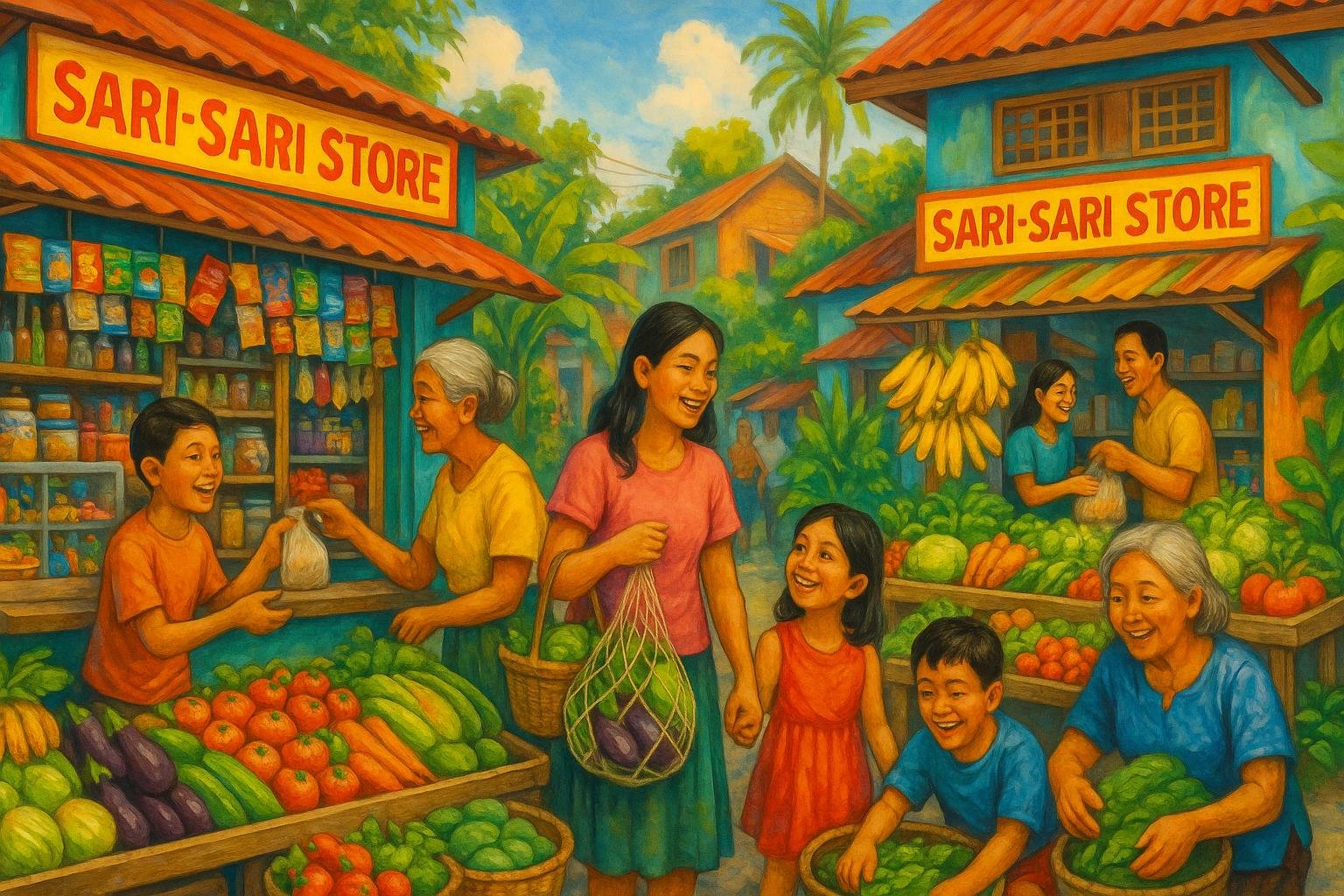
Pepsi-Cola Products Philippines Inc. is deepening its bet on the country’s sari-sari stores, arguing that the smallest outlets in the retail chain are also among the most important.
In an interview carried by The Tribune, company executive Phyo said these neighbourhood shops remain a core part of both Filipino daily life and PCPPI’s distribution system. Rather than treating them as a peripheral channel, the company is placing them at the centre of its strategy, using them a...
Continue Reading This Article
Enjoy this article as well as all of our content, including reports, news, tips and more.
By registering or signing into your SRM Today account, you agree to SRM Today's Terms of Use and consent to the processing of your personal information as described in our Privacy Policy.
s the main route to consumers and as a way to build longer-term growth.
That push is increasingly technology-driven. PCPPI says it has already mapped about 220,000 sari-sari stores across the areas managed by hundreds of trade partners, folding them into a digital system designed to sharpen route planning and improve sales execution. Frontline teams now have access to real-time information through mobile applications, allowing distributors to make quicker decisions on delivery routes and stocking patterns.
The company’s digital overhaul is not limited to basic tracking. PCPPI is building towards an AI-ready operating model and expects the transition to take about four years. The aim is to consolidate data into one system that can turn everyday transactions into usable insight, speeding up decision-making across the business.
Even so, the company is presenting the shift as an aid to people rather than a replacement for them. Phyo said the purpose of the technology is to strengthen employees’ work, improve productivity and help partners earn more efficiently.
The timing matters. PCPPI is operating in an environment where fuel, packaging and raw material costs remain elevated, putting pressure on margins and logistics. In that context, tighter data and more efficient delivery planning could provide an edge.
The broader market backdrop also favours the strategy. Research cited by Packworks has pointed to growing digital influence in the sari-sari sector, from inventory decisions shaped by viral trends on platforms such as TikTok to the use of artificial intelligence in store management. One Packworks report found stores using AI-based recommendations saw a sharp lift in daily gross merchandise value and sales, suggesting that even micro-retailers are increasingly responsive to data-led tools.
Other Packworks data indicate that growth in the sector is now spreading beyond Metro Manila, with provincial stores accounting for a rising share of activity. That shift reinforces why companies like PCPPI are investing more heavily in grassroots retail, where local relevance, speed and service often matter more than scale alone.
For PCPPI, the message is clear: the future of its business may depend as much on thousands of small community stores as on any large-format channel.
Source: Noah Wire Services