Hindustan Unilever is reworking one of the most fundamental parts of its business as consumer demand becomes faster, more fragmented and more channel-specific. The company’s new Nano DC model is designed to support a retail environment in which orders can be placed within minutes, demand can swing sharply by the hour and newer sales channels are reshaping how goods reach shoppers.
Rather than relying on supply chains built mainly for scale and predictable throughput, HUL is m...
Continue Reading This Article
Enjoy this article as well as all of our content, including reports, news, tips and more.
By registering or signing into your SRM Today account, you agree to SRM Today's Terms of Use and consent to the processing of your personal information as described in our Privacy Policy.
oving towards a more targeted system that prioritises speed, precision and flexibility. The company says the change is especially relevant for premium ranges and newer brands, which may sell in smaller volumes but carry higher value and require closer alignment with specific channels such as quick commerce.
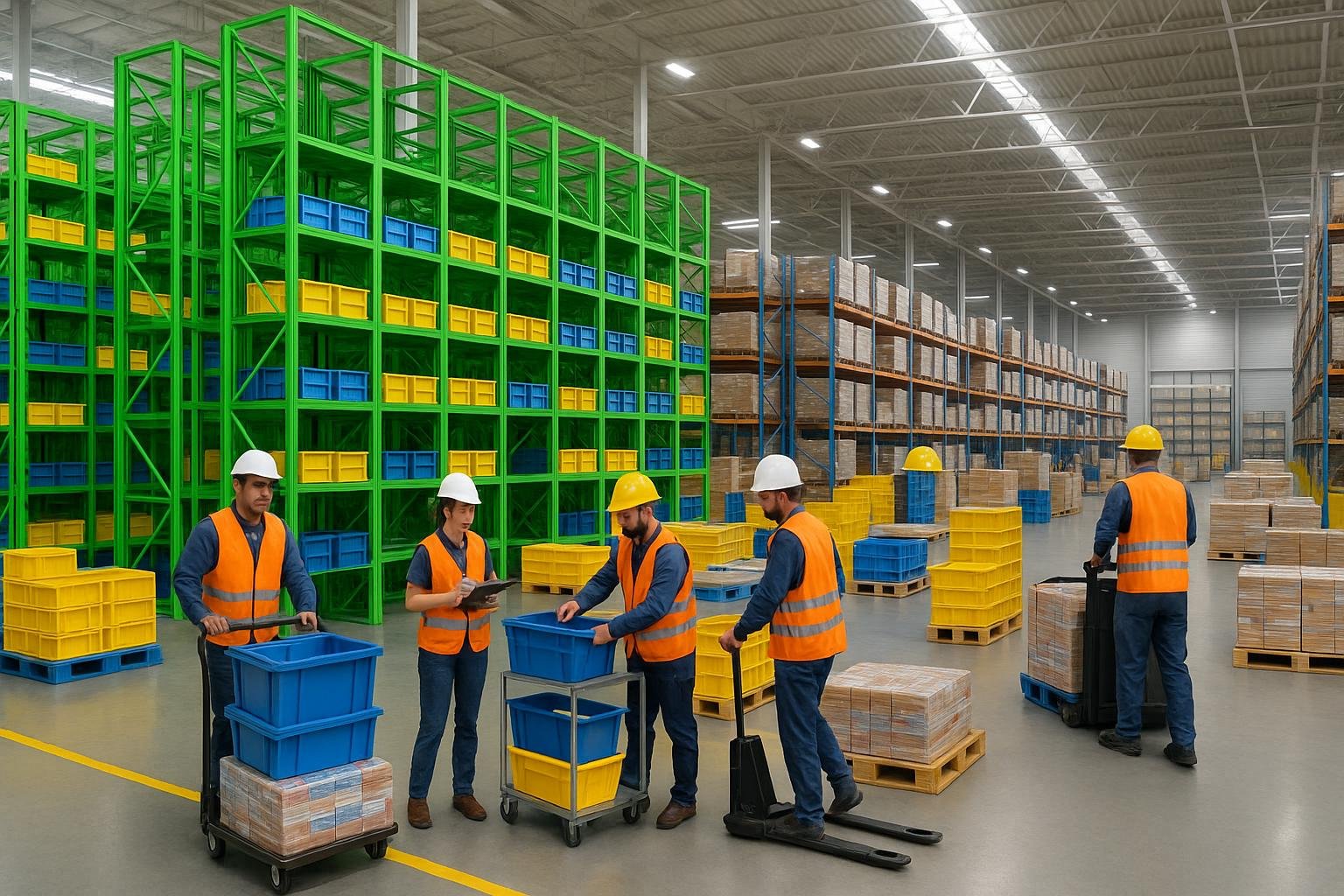
The Nano DC concept centres on compact distribution hubs embedded within HUL’s wider network. These facilities are intended to handle frequent replenishment without putting strain on the broader logistics system or sacrificing cost control. By being built around particular channels, they allow the company to respond more directly to demand patterns that can vary sharply across platforms.
Operationally, the model depends on dedicated teams and supervisors who can monitor orders and service levels more closely. HUL has also reworked some physical infrastructure to include channel-specific docks, making it possible to process multiple order types at the same time. Logistics support is being widened to manage everything from small shipments to full truckloads, giving the network more flexibility as volumes rise and fall.
Technology is a central part of the redesign. According to HUL, RFID-based tracking and GPS-enabled controls give the company better visibility across the system, improving accountability and allowing faster decisions. The aim is to create a supply chain that is not only quicker, but also easier to manage in real time.
The shift also reflects the volatility of demand itself. HUL says its system must now stay reliable across the full year, including more than 150 festive and event-led spikes that place added pressure on availability. Faster and more frequent replenishment cycles are meant to help the business absorb those surges while preserving service levels.
For HUL, the broader point is that supply chains can no longer sit in the background. In a market defined by immediacy and choice, the company is betting that responsiveness will be as important as efficiency in supporting the next phase of growth.
Source: Noah Wire Services