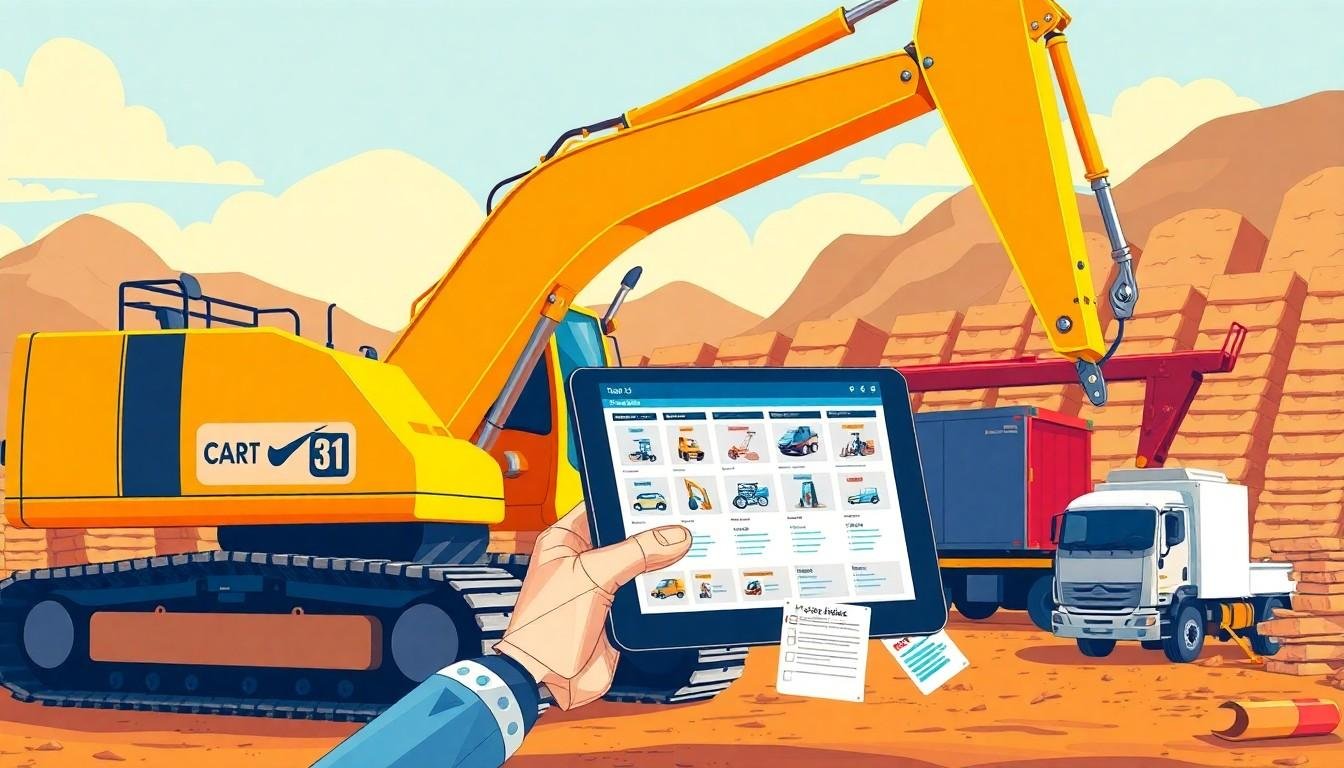
Digital marketplaces are changing how construction businesses identify heavy machinery, widening the search beyond local dealers and equipment yards. Online inventories let contractors browse categories from excavators and dump trucks to crushers, demolition plant and material-handling equipment, then compare potential options before making enquiries.
Platforms such as Machinery Trader organise listings by equipment type and manufacturer, while suppliers including SJH-All Plant...
Continue Reading This Article
Enjoy this article as well as all of our content, including reports, news, tips and more.
By registering or signing into your SRM Today account, you agree to SRM Today's Terms of Use and consent to the processing of your personal information as described in our Privacy Policy.
Group publish stock across a range of plant categories. Their websites can help buyers discover machines that might otherwise be difficult to locate nearby. Listings commonly include details such as model, year, operating hours, weight, price and availability, although these should be confirmed directly with the seller.
That wider access can be particularly valuable when a project requires a specialist machine or when deadlines leave little time for visiting multiple yards. Digital enquiries, email, messaging and video calls also allow buyers to request further photographs or clarify specifications before deciding whether a machine merits an in-person visit.
But a listing is a starting point, not proof that a machine is suitable or in good condition. Two examples of the same model may differ markedly in wear, service history and capability. Buyers need to weigh the equipment’s intended use, operating hours, maintenance record, compatibility with attachments and likely repair needs, rather than focusing on the asking price alone.
Caterpillar’s guidance for used-equipment buyers recommends checking service and maintenance records, replaced parts, incident reports and service hours. It also advises asking whether a manufacturer’s warranty remains in force, inspecting the equipment thoroughly and arranging a test drive where appropriate. Oklahoma State University’s guidance on used industrial machinery similarly stresses the value of an experienced mechanic or engineer, the operator’s manual and maintenance logbook, and checks for wear, damage, contamination and possible defects beneath fresh paint or coatings.
Physical inspection matters for safety as well as value. Older equipment may lack features expected under current safety standards, and the cost of upgrades can affect whether a purchase makes sense. Buyers should also verify serial numbers and machine history where possible, and seek technical advice when they lack the expertise to assess a particular type of plant.
The supplier remains central to the transaction, even when the search begins online. SJH-All Plant Group describes itself as a UK plant machinery business serving domestic and export markets, with workshops and repair services. Such facilities may offer useful support, but claims and service descriptions on a supplier’s own website do not independently establish the condition of any individual machine. Buyers should verify specifications and availability, assess the seller’s expertise and establish what practical or after-sales assistance is available.
Purchasing from another region or country expands the choice of equipment but adds logistical and administrative demands. DHL’s guidance on heavy-equipment shipping notes that weight, dimensions, destination and timing influence the choice of transport, which may involve road, air or sea freight. Large machines may need to be dismantled for shipment, and secure loading is essential to reduce the risk of damage.
International movements can also require commercial invoices, packing lists and Harmonised System codes; some controlled equipment may need export licences. Buyers should agree who is responsible for shipping, insurance and documentation before committing, and confirm that delivery arrangements fit the project schedule.
Digital tools have made it easier to identify potential machinery and compare options across a broader market. They cannot replace checks on the machine itself, its records or the seller’s capacity to support the transaction. The soundest approach is to use online research to build a shortlist, then verify the details through documentation, expert assessment and, where possible, a physical inspection.
Source: Noah Wire Services