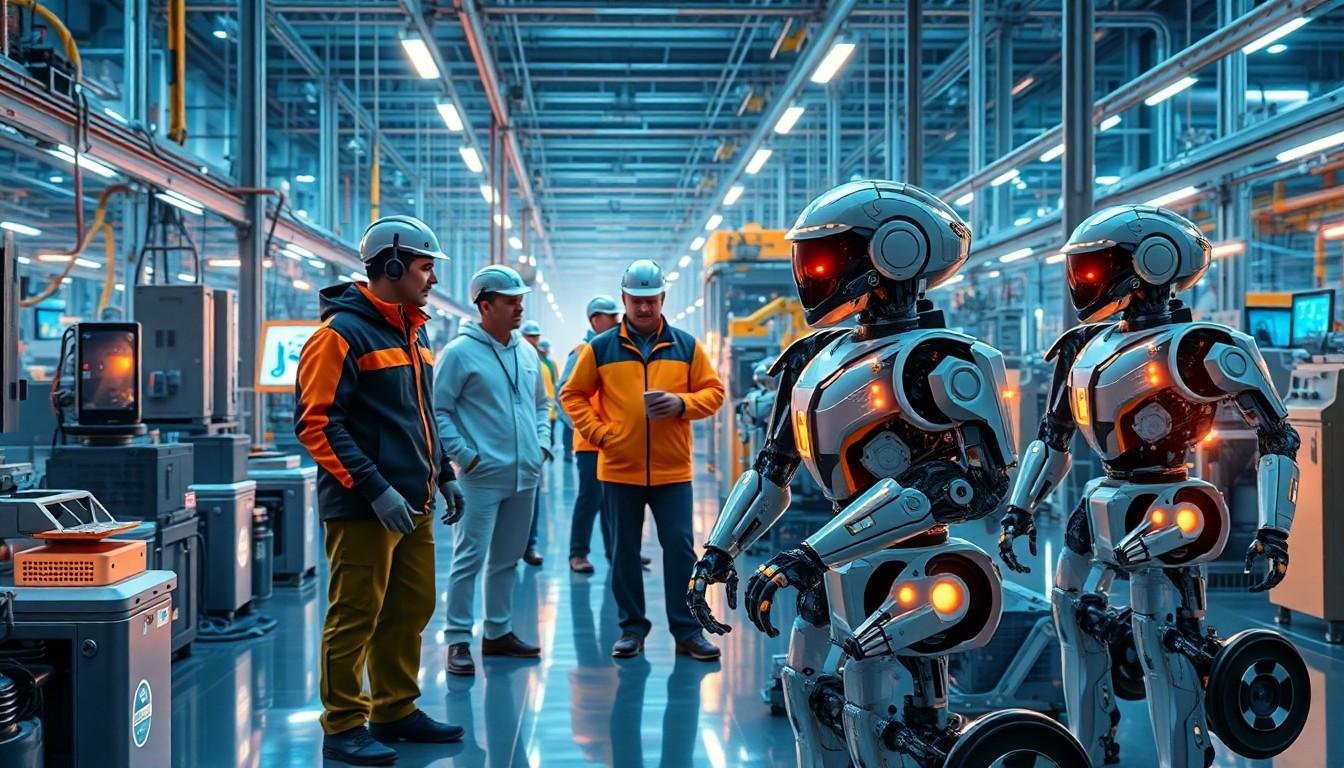
Original equipment manufacturers are no longer competing on machinery alone. Increasingly, buyers want equipment that can connect, report, adapt and support service models long after installation, and that shift is forcing a rethink of how OEMs design, sell and monetise their products.
According to Schneider Electric’s buildings blog, the old formula of building reliable kit, fitting a standard controller and moving on to the next order is rapidly losing relevance. Pricing pr...
Continue Reading This Article
Enjoy this article as well as all of our content, including reports, news, tips and more.
By registering or signing into your SRM Today account, you agree to SRM Today's Terms of Use and consent to the processing of your personal information as described in our Privacy Policy.
essure is intensifying, connectivity is becoming a basic requirement in tenders, and late-stage deals are now being won by rivals that can promise quicker commissioning, clearer visibility and stronger after-sales support.
That is not just a marketing claim. Research cited by Digital Commerce 360 from Deloitte Digital found that B2B suppliers with the strongest digital maturity were more than twice as likely to exceed sales targets as their less advanced peers, while also recording faster revenue growth. For OEMs, the implication is clear: digital capability is no longer a side project, but a commercial differentiator.
The most immediate change is happening on site. Contractors are under greater pressure, labour is tighter and commissioning windows are shrinking. In that environment, factory-mounted controls and pre-configured intelligent devices offer a practical advantage, reducing installation uncertainty and helping equipment arrive ready to operate, diagnose and support from day one.
That factory-ready approach also changes the economics of product development. Schneider Electric points to the difference between treating customisation as a choice between off-the-shelf and fully bespoke, and recognising that most of the value sits in the middle. Existing platforms can often be adapted, private-labelled and extended rather than rebuilt from scratch, cutting risk and accelerating time to market.
One example described in the blog involved a residential HVAC product line that initially appeared to require an entirely new thermostat, with an estimated development cycle of 18 months. By reworking an existing controller platform instead, the OEM was able to launch a new product variant far more quickly, avoiding the cost and delay of starting anew.
That kind of move matters because software, services and connectivity are steadily reshaping revenue models across manufacturing. Automation World has reported that industrial OEMs are increasingly shifting away from hardware-heavy product complexity towards software licensing, subscriptions and modular models that can generate recurring income and improve forecasting. Other industry commentary says the same trend is extending into digital aftermarket services, where connected equipment and centralised data can support remote monitoring, diagnostics and branded customer experiences.
For OEMs, this creates a broader commercial opportunity. Instead of depending solely on one-off equipment sales, companies can build relationships around uptime, optimisation, warranty performance and service insight. The result is a more durable connection to the installed base, and a better route to future revenue.
The shift is also changing what OEM partnerships need to deliver. Transactional sourcing is giving way to closer collaboration with technology providers that can support configurable platforms, private labelling, factory-ready design and lifecycle support across multiple product lines. Schneider Electric argues that the aim is not customisation for its own sake, but repeatable differentiation that can be scaled across markets.
The direction of travel is hard to miss. As OEMs face pressure to digitise, connect and service-enable their equipment, those that wait for the specification to force change may already be behind. The bigger question is no longer whether products need to evolve, but which partners can help manufacturers get there faster and with less risk.
Source: Noah Wire Services