Procurement is increasingly being asked to do more than deliver savings. In large, capital-intensive businesses, it is now expected to help shape whether major investment plans can actually be delivered.
That shift was evident in National Grid’s decision in March to raise its capital spending plan by at least £10bn, taking the total to £70bn over five years to 2031. The UK-headquartered electricity and gas utility, which operates networks in Britain and the north-east of th...
Continue Reading This Article
Enjoy this article as well as all of our content, including reports, news, tips and more.
By registering or signing into your SRM Today account, you agree to SRM Today's Terms of Use and consent to the processing of your personal information as described in our Privacy Policy.
e US, is one of the world’s largest listed utilities, and its investment plans reflect the scale of the energy transition now under way.
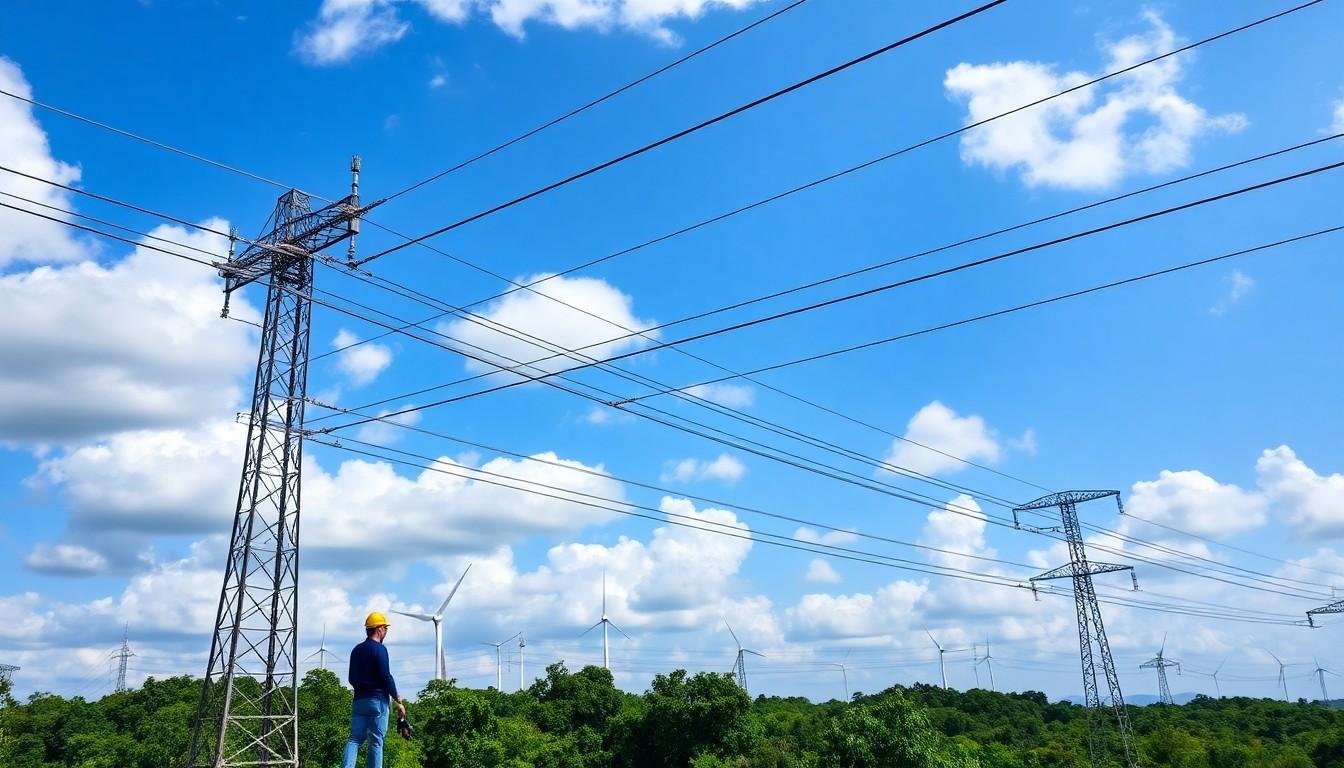
According to National Grid’s own decarbonisation investment material, much of the programme is aimed at connecting new low-carbon generation and storage and preparing networks for higher electricity demand. That makes procurement central to the company’s ability to source materials, secure labour and manage delivery risk at a time when the market is becoming more competitive.
Simon Harnett, the company’s chief procurement officer, has been tasked with helping make that happen. Speaking to the Procurement Leaders community, he set out how his team has been preparing the supply base for a programme of unusual scale and complexity. The challenge, he said, is being amplified by a seller’s market, as other utilities and infrastructure owners pursue similar upgrades, pushing up lead times and intensifying inflationary pressure.
To respond, National Grid has leaned more heavily on alliance-style contracting and Project 13 principles, which are designed to promote longer-term collaboration between clients and suppliers. It has also mapped its supply chain more carefully to identify exposures, while strengthening internal capability and working across functions to simplify delivery and bring the full weight of the business to market.
The company says the commercial model is already well advanced, with supply and delivery arrangements in place for roughly three-quarters of the £70bn programme. That suggests procurement is not merely supporting the investment cycle, but helping to determine whether it can proceed at the pace required.
The broader industry context points in the same direction. GEP’s 2026 Annual ProcureCon CPO Report says procurement leaders are being forced to balance immediate operational pressure with longer-term priorities such as resilience, risk management and technology adoption. Its analysis argues that older approaches are no longer sufficient in a more volatile environment.
GEP has also described the CPO role as shifting from cost control towards enterprise strategy, with greater emphasis on resilience, growth and competitive advantage. In that framing, procurement is becoming a leadership function that influences not only how organisations buy, but how they invest and transform.
National Grid’s programme is a vivid example of that evolution. Rather than being asked simply to keep costs down, procurement is helping to structure one of the company’s most consequential strategic bets: the build-out of the networks that will underpin the next phase of energy decarbonisation.
Source: Noah Wire Services