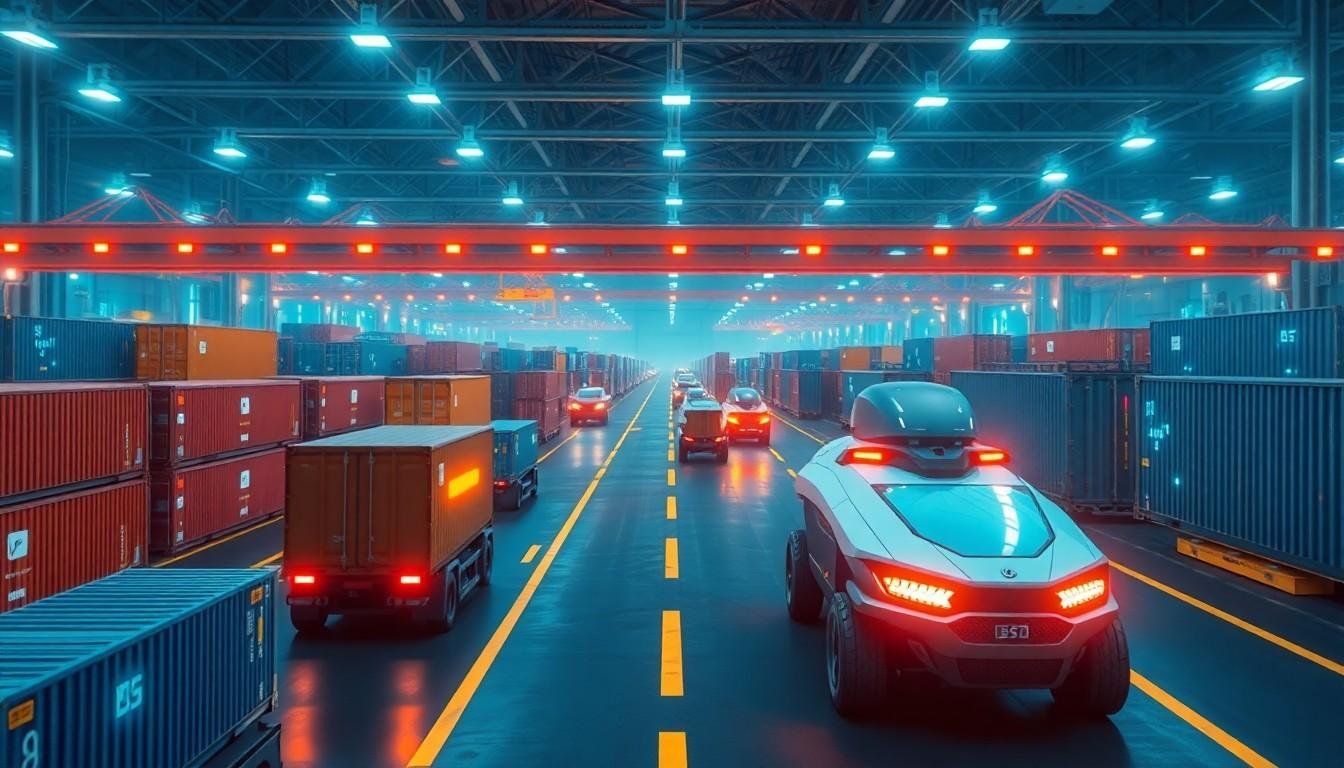
Artificial intelligence is moving supply chains into a new phase, where the aim is no longer simply to spot what is happening, but to decide what should happen next. In logistics, where delays, demand swings and geopolitical shocks can rapidly ripple through networks, that shift is proving especially significant.
In an interview with Analytics Insight, Resham Sahi, senior vice-president for technology and head of Maersk Technology Centre in Bangalore, described a sector increas...
Continue Reading This Article
Enjoy this article as well as all of our content, including reports, news, tips and more.
By registering or signing into your SRM Today account, you agree to SRM Today's Terms of Use and consent to the processing of your personal information as described in our Privacy Policy.
ingly shaped by AI, digital twins, predictive analytics, cloud platforms, the Internet of Things and intelligent control towers. The combination, he suggested, is helping logistics operators build systems that can anticipate disruption, simulate outcomes and respond more quickly when conditions change.
Maersk has been positioning itself around that idea for some time. In 2023, the company said digital twins could help it connect containers, warehouses and trucks in real time, improving tracking, maintenance and decision-making across its network. More recently, Maersk has said its visibility tools are designed not just to surface information, but to provide predictive alerts and practical guidance that support faster action.
That distinction matters. Industry commentary from Maersk in 2026 argued that the real value of AI in supply chains is increasingly in decision support and decision orchestration, rather than experimentation for its own sake. The company said scaling AI requires trusted data, clear governance and an operating model that can handle both opportunity and risk, including cyber security concerns.
The broader direction is towards what logistics executives often call connected intelligence: a supply chain in which data flows across transport, warehousing, customs and fulfilment, and where software helps managers move from monitoring to intervention. In practice, that could mean better demand forecasting, tighter inventory planning, real-time shipment visibility and more effective risk management.
Maersk says its technology strategy is built around linking the physical and digital worlds to make global supply chains more reliable and easier to manage. A separate industry platform, A2go, has also highlighted the gap between traditional enterprise systems and execution, arguing that supply chains need governed decision layers that can turn signals into action without replacing existing infrastructure.
For operators under pressure to do more with less, the appeal of AI lies in that promise: fewer blind spots, quicker choices and a supply chain that is not merely visible, but genuinely intelligent.
Source: Noah Wire Services