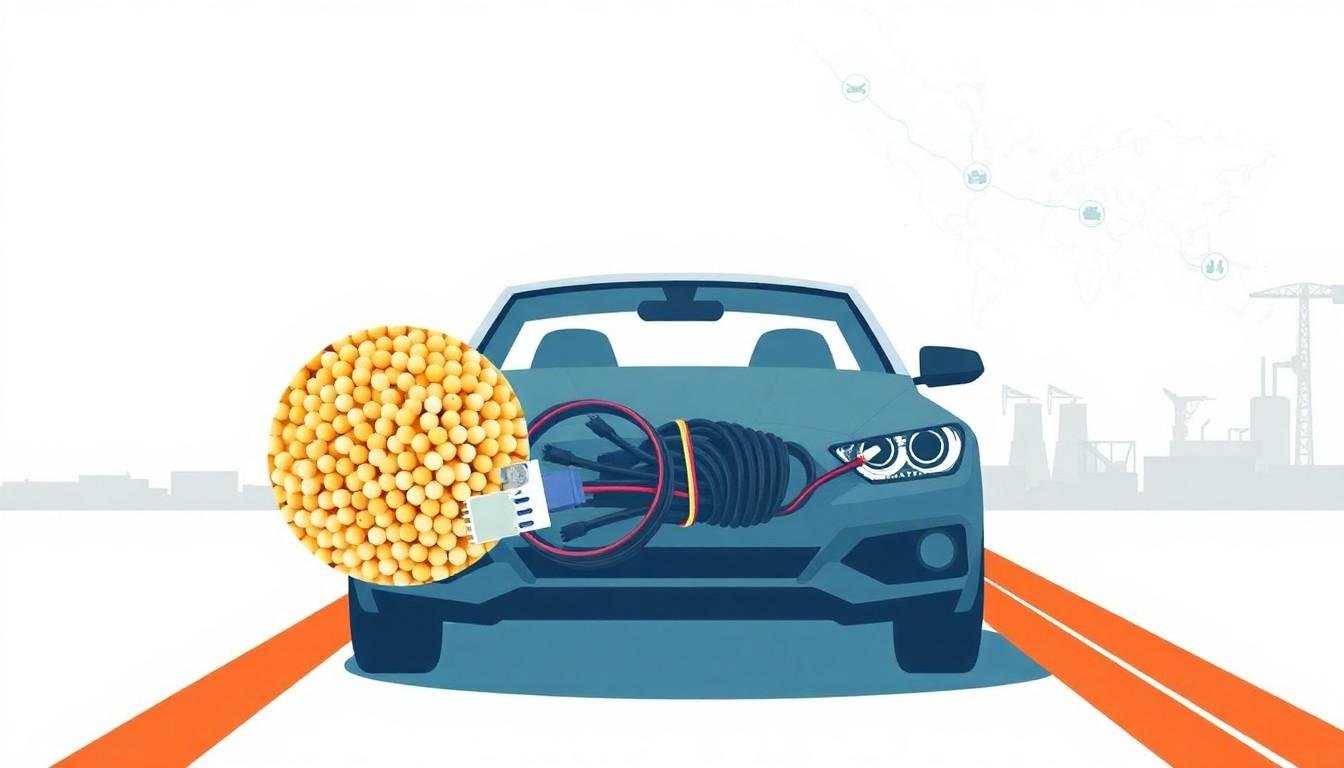
Japan’s car industry is preparing to align specifications for several widely used materials and components, in a move intended to reduce manufacturing complexity and free up resources for developing new vehicle technologies.
The Japan Automobile Manufacturers Association (JAMA) and the Japan Auto Parts Industries Association (JAPIA) announced the initiative in Tokyo on 19 November 2026. Their first areas of work are steel, recycled resin and wiring harnesses, parts whose tech...
Continue Reading This Article
Enjoy this article as well as all of our content, including reports, news, tips and more.
By registering or signing into your SRM Today account, you agree to SRM Today's Terms of Use and consent to the processing of your personal information as described in our Privacy Policy.
nical requirements have often varied between manufacturers.
JAMA chairman Koji Sato, who is also Toyota’s vice-chairman, said the companies shared “this strong sense of crisis, creating a momentum for change. Based upon our sense of a crisis, we decided to choose these three areas. We will lay the foundation for the auto industry to remain a key industry in Japan.”
Reuters, in a report published by Newsweek Japan, said the groups planned to align evaluation criteria, reduce the number of component varieties and encourage the use of recycled resin. The initiative comes as Japanese manufacturers face strong competition from Chinese rivals, whose domestic supply chains can support rapid vehicle development. Common specifications could lower costs and allow companies to redirect investment towards areas including electrification and automated driving, the report said.
For steel, the proposed work centres on consolidating materials used in relatively small quantities and bringing manufacturers’ quality requirements closer together. This could reduce the range of grades and tests that steelmakers and parts suppliers must accommodate. Mazda is identified in the supplied account as leading the steel work, though the details remain part of a developing industry initiative rather than a final technical standard.
The resin programme is intended to make recycled materials more dependable for vehicle production. According to Circular Economy Hub Japan, the associations plan to develop shared quality standards and assessment methods. The wider aim is to improve supply reliability as carmakers face pressure to use more recycled material and consider how components can be recovered at the end of a vehicle’s life.
Wiring harnesses present a different challenge. Autoservice World reports that the industry uses about 70,000 harness types globally, with production still involving substantial manual work. The associations are considering fewer wire types, greater use of aluminium conductors, more automation and aligned assessment criteria. Proposals also include common identification for high-voltage cables, often marked in orange, and consistent requirements for the force needed to insert connectors. These measures are under consideration; they should not be read as standards already adopted across the industry.
JAMA’s membership includes 14 companies, spanning carmakers as well as manufacturers of trucks, buses and motorcycles, according to its official profile. The association says its work includes supporting the rationalisation of vehicle production and advancing production technology. JAMA and JAPIA have also indicated that they may discuss the initiative with manufacturers outside Japan and extend the work to further components.
The implications for suppliers beyond Japan remain uncertain. A more consistent set of requirements could eventually make it easier for regional manufacturers to serve several Japanese vehicle companies, but the available reports do not establish how quickly standards would be adopted in overseas production networks or what changes Malaysian suppliers would need to make.
Thailand, meanwhile, has been pursuing deeper investment ties with Japanese automakers. A Thai Board of Investment release said six companies, Toyota, Honda, Isuzu, Mitsubishi, Mazda and Nissan, had confirmed plans worth more than 134 billion baht across 2026 to 2030. The proposed activity includes electric and hybrid vehicles, factory automation, local production of important components and efforts to connect Thai suppliers with new vehicle supply chains. Thairath also reported that discussions covered workforce and technology development, alongside measures intended to encourage domestic investment and local parts use.
Those figures differ from the claim that Thailand would receive about US$4.1 billion over three to four years: the Thai government’s announcement specifies more than 134 billion baht over five years. Nor do the accounts establish that Thailand’s investment discussions were formally connected to JAMA’s standardisation programme. They do, however, show a parallel effort by Thai officials to deepen the country’s role in Japanese automotive production.
For Malaysia, the potential opportunity is clear, but not guaranteed. If common specifications spread through Japanese manufacturers’ regional operations, suppliers could face fewer distinct tooling and inspection requirements. Whether Malaysian firms benefit will depend on how the standards are implemented and whether they can meet the resulting technical and investment demands.
Source: Noah Wire Services