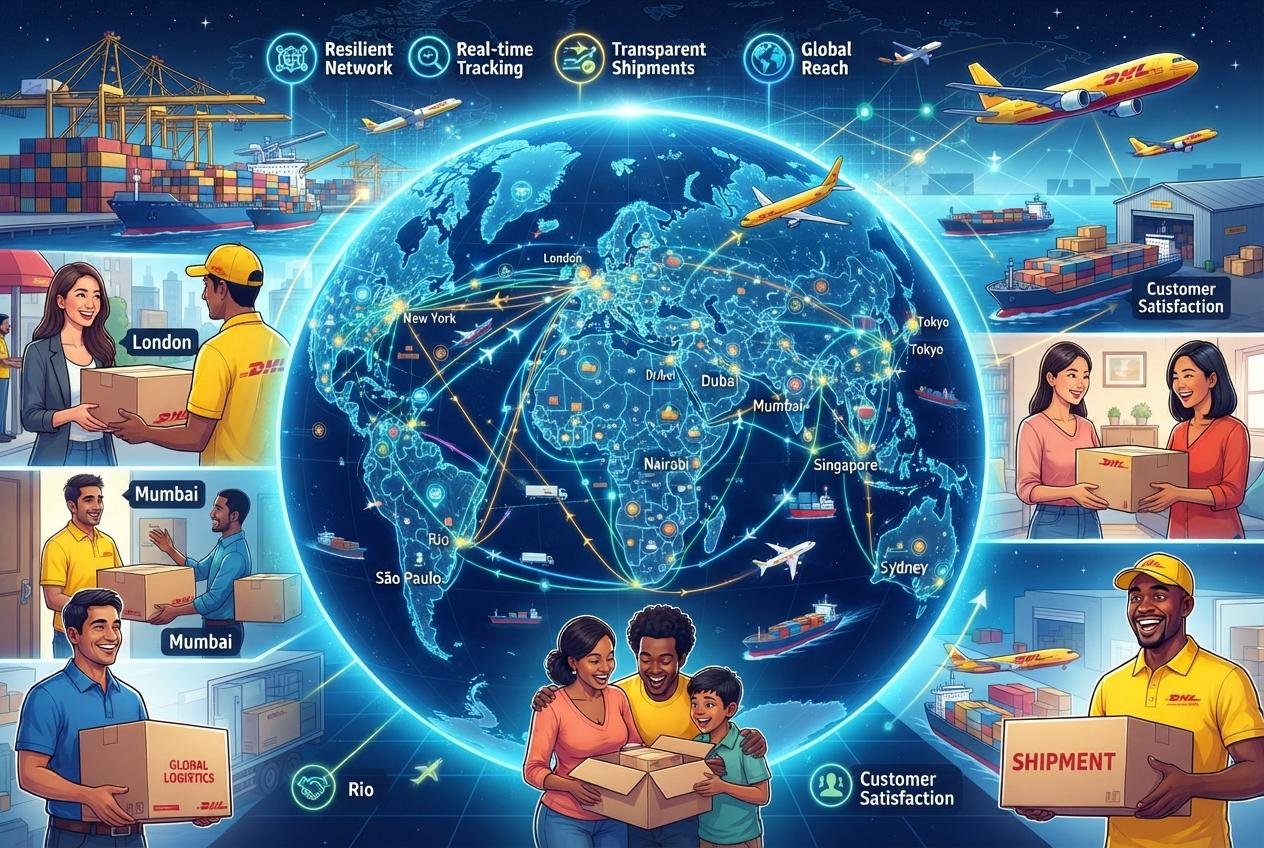
Customers may only see the final parcel on their doorstep, but for importers the real work begins long before that moment. Behind every successful delivery sits a network of suppliers, carriers, customs specialists, warehouses and distributors, each dependent on the others to keep goods moving and orders on track.
That is why many businesses are moving away from thinking about logistics as a set of disconnected tasks. According to Anton Tombu, Business Development Director at X...
Continue Reading This Article
Enjoy this article as well as all of our content, including reports, news, tips and more.
By registering or signing into your SRM Today account, you agree to SRM Today's Terms of Use and consent to the processing of your personal information as described in our Privacy Policy.
CT Logistics, the companies performing best are not simply chasing containers across the world. They are designing supply chains that function as one coordinated system, from production to last-mile delivery.
The distinction matters because a shipment solves one immediate need, whereas a supply chain shapes the business’s ability to absorb shocks and plan ahead. When a supplier slips a production deadline, paperwork is incomplete, a container is held at port or inventory arrives late at a warehouse, the damage rarely stops at one step. Delays can quickly affect cash flow, production schedules, customer commitments and margins.
Research cited by Sage, Deloitte and McKinsey points to the same conclusion: integrated supply chains improve visibility, reduce friction and help firms respond faster to disruption and shifts in demand. Better information sharing between partners also supports joint forecasting, steadier inventory levels and more reliable delivery performance. For customers, that translates into quicker responses and stronger trust. For businesses, it means less volatility and more room to grow.
Deloitte has also argued that supply chain agility increasingly depends on timely data and strong relationships with key partners. That is especially relevant in a trading environment shaped by changing regulations, customs requirements and wider global uncertainty. Businesses that can see risks earlier and coordinate across the chain are better placed to protect service levels and preserve customer confidence.
For smaller importers and immigrant entrepreneurs, the stakes can be even higher. Limited stock, tight cash flow and lean teams mean that one delayed arrival can disrupt operations well beyond a single order. Tombu’s point is that logistics should be considered much earlier, beginning with supplier selection, accurate product specifications, compliant documentation and partners who are working from the same plan rather than handling each stage in isolation.
The most resilient businesses are those that treat supply chain management as a source of advantage, not just a cost of doing business. They recover faster, communicate more clearly and give customers fewer reasons to doubt them. In a market where trust is often won or lost on punctual delivery, that ability can matter as much as price or product quality.
Source: Noah Wire Services