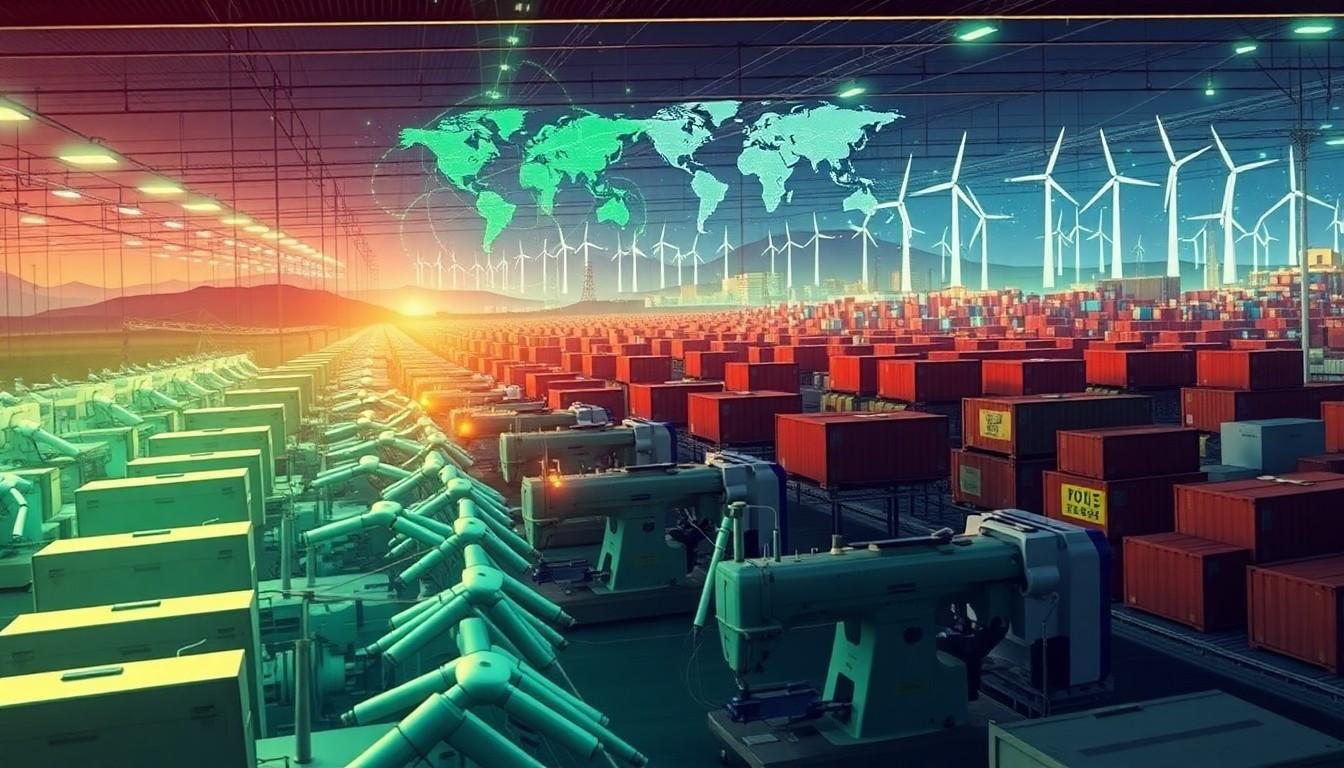
Levi Strauss & Co., Marks & Spencer and Schneider Electric’s SE Advisory Services have unveiled a new industry effort aimed at one of fashion’s most persistent emissions problems: the electricity used to run the global manufacturing base. Announced during New York Climate Week, the Fashion Renewable Collaborative is designed to help garment factories, fabric mills and other suppliers secure cleaner power through practical support, market guidance and technical advice.
...
Continue Reading This Article
Enjoy this article as well as all of our content, including reports, news, tips and more.
By registering or signing into your SRM Today account, you agree to SRM Today's Terms of Use and consent to the processing of your personal information as described in our Privacy Policy.
The initiative targets a part of the sector that is often overlooked in public climate pledges but sits at the heart of fashion’s emissions profile. Levi Strauss says textile processing, including fabric mills and dye houses, is responsible for more than half of the industry’s greenhouse gas emissions. Because many of these facilities sit deep within complex supplier networks and serve multiple brands at once, their shift to renewable electricity has frequently been slowed by fragmented requirements, uneven market rules and the cost of arranging projects individually.
The collaborative is intended to simplify that process. According to the companies, suppliers will be offered help with power purchase agreements, energy certificates, on-site solar and battery storage, alongside digital learning resources and country-specific market guidance. The aim is to make renewable electricity procurement more workable for manufacturers that may lack the in-house expertise or financing structures needed to move quickly.
Levi Strauss is presenting the project as a way of turning climate ambition into something suppliers can actually implement. Jennifer DuBuisson, senior director of sustainability at the company, said: “It’s become abundantly clear that the most effective way forward on emissions reduction is working in partnership with suppliers. The FRC enables greater support for suppliers that want to access or would like to increase use of renewable electricity but haven’t been able to so far. We can help facilitate adoption while reducing unnecessary duplication.”
The programme builds on a pilot Levi Strauss launched in India more than a year ago. The company said nearly 50 supplier facilities joined that effort, giving it evidence that manufacturers want clearer routes into renewable energy procurement. The new collaborative is meant to extend those lessons across a broader section of the apparel industry, with the organisers also inviting additional fashion brands to become sponsors and members.
That wider participation could prove significant. Suppliers often produce for several global brands simultaneously, which means inconsistent climate demands can create added complexity and costs. A more aligned approach could reduce duplication, ease administrative burdens and help manufacturers judge whether investments in renewables are commercially viable.
Marks & Spencer’s involvement signals that the issue is no longer being treated as a single-brand experiment but as an industry coordination problem. Schneider Electric’s SE Advisory Services brings technical and market expertise to the effort, giving the initiative a practical rather than purely symbolic focus.
For Levi Strauss, the project also fits into a wider transition plan. In 2024, the company introduced its Climate Transition Action Plan, which includes a goal of net-zero emissions by 2050 and a target to cut supply chain emissions by 42% by 2030. With the supply chain accounting for more than 99% of its climate footprint, the company is effectively placing supplier energy use at the centre of its decarbonisation strategy.
The launch reflects a broader shift in corporate climate action, particularly in sectors where Scope 3 emissions dominate. Public commitments are increasingly being judged not simply by the scale of the target, but by whether companies can build the financing, procurement and technical support systems needed to deliver on them. In fashion, that may mean moving beyond scattered pilot projects towards common frameworks that suppliers can use across multiple customers.
If the Fashion Renewable Collaborative succeeds in attracting more brands, it could become a model for how the industry handles energy-related emissions in manufacturing. For now, its significance lies in recognising that the path to cleaner fashion runs not only through design and materials, but through the power systems that keep mills, dye houses and factories operating every day.
Source: Noah Wire Services