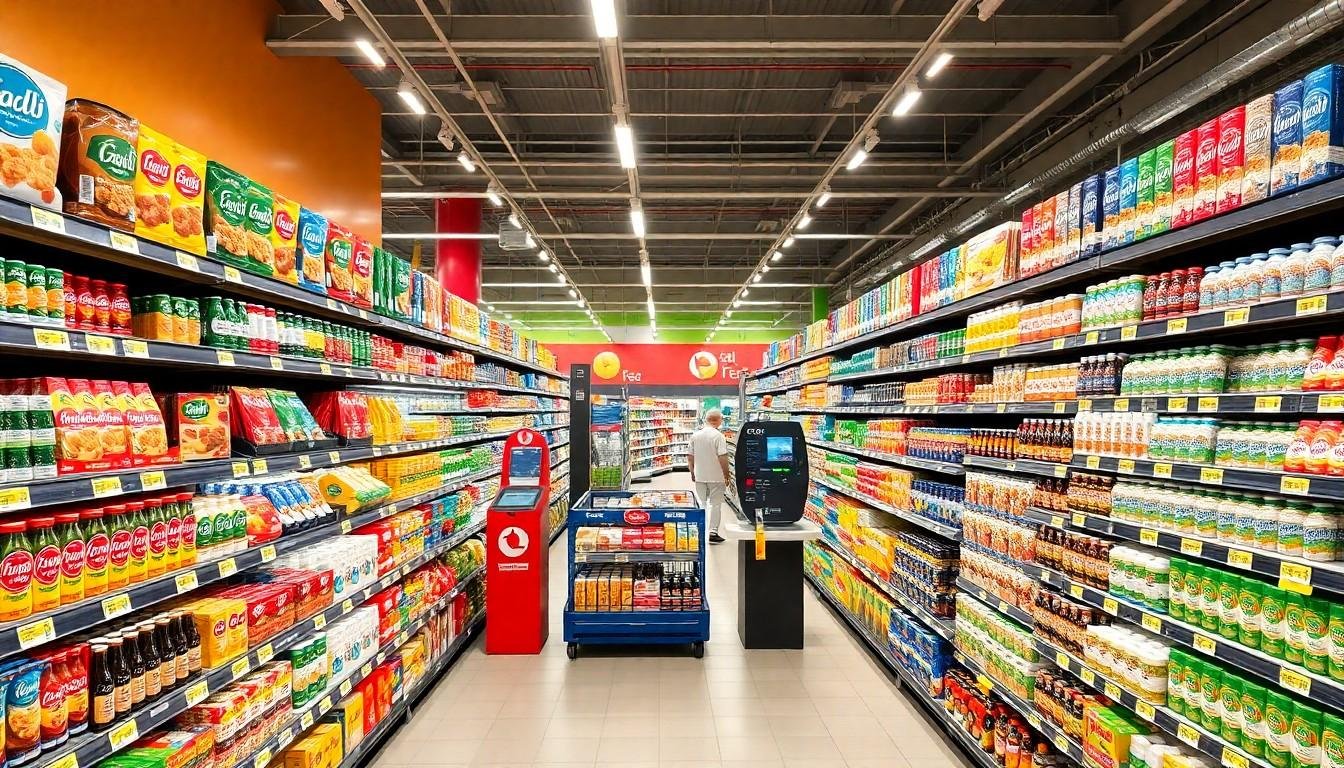
Europe’s biggest supermarket groups are no longer merely intermediaries between farmers, manufacturers and shoppers. They have become powerful commercial gatekeepers, with the ability to shape what gets produced, how it is packaged, and which products reach millions of households across the continent.
That influence is most visible in private label. What was once dismissed as a cheaper substitute has evolved into a core strategic asset for retailers. McKinsey’s 2025 and 202...
Continue Reading This Article
Enjoy this article as well as all of our content, including reports, news, tips and more.
By registering or signing into your SRM Today account, you agree to SRM Today's Terms of Use and consent to the processing of your personal information as described in our Privacy Policy.
6 grocery reports show private label taking an ever larger share of European food spending, rising to 39.1% of grocery sales value in 2024 and reaching 40% in the EU-11. The consultancy also found that private label accounts for 44% of new product launches in Western Europe, underlining how central retailer-owned ranges have become to innovation.
The momentum is not confined to value ranges. Industry reporting in late 2025 said premium own-label lines were expanding quickly, while health-led offerings such as plant-based and high-protein foods were growing at double-digit rates. Circana said in December that private label represented 42% of consumer packaged goods value sales across the EU6, rising to 44% in supermarkets alone, a sign that the category now competes head-on with branded goods across both mainstream and premium shelves.
The trend has continued into 2026. Retail detail reported in April that private label outpaced the wider food market in 17 European countries in both value and volume terms last year, with Switzerland among the stronger performers. Another report in April said own-label products had reached a 50% unit share across several major markets, including France, Germany, Italy, the Netherlands, Spain and the UK, reflecting a deeper structural shift in how people shop.
Retailers are also extending their reach through technology. Artificial intelligence is being used to forecast demand and reduce waste, while electronic shelf labels, self-checkout systems and mobile payment tools are lowering costs and increasing operational control. Loyalty schemes and digital platforms are giving supermarkets richer customer data, allowing them to fine-tune promotions and adjust ranges more precisely than many manufacturers can.
Suppliers, meanwhile, are being pushed into a new kind of relationship with their largest customers. The bargaining power remains heavily tilted towards the retailers, but the most successful manufacturers are increasingly those able to offer reliable supply, sustainable packaging and product development that fits the supermarkets’ own ambitions. As McKinsey notes, retailers with a higher private label share are more likely to gain market share, which helps explain why these businesses are investing so heavily in their own brands.
That broader transformation also carries implications beyond the checkout aisle. Supermarkets are becoming more active in areas once associated with technology firms, from data-driven merchandising to automation and delivery. They are also taking on a larger role in sustainability, food waste reduction and packaging reform, partly in response to consumer expectations and partly because these measures strengthen their competitive position.
The result is a food sector in which power is increasingly concentrated in the hands of retailers. Producers remain essential, but Europe’s leading supermarket groups are setting more of the terms. Their decisions now influence innovation, pricing, supply chains and buying habits, making the modern supermarket one of the continent’s most consequential business forces.
Source: Noah Wire Services