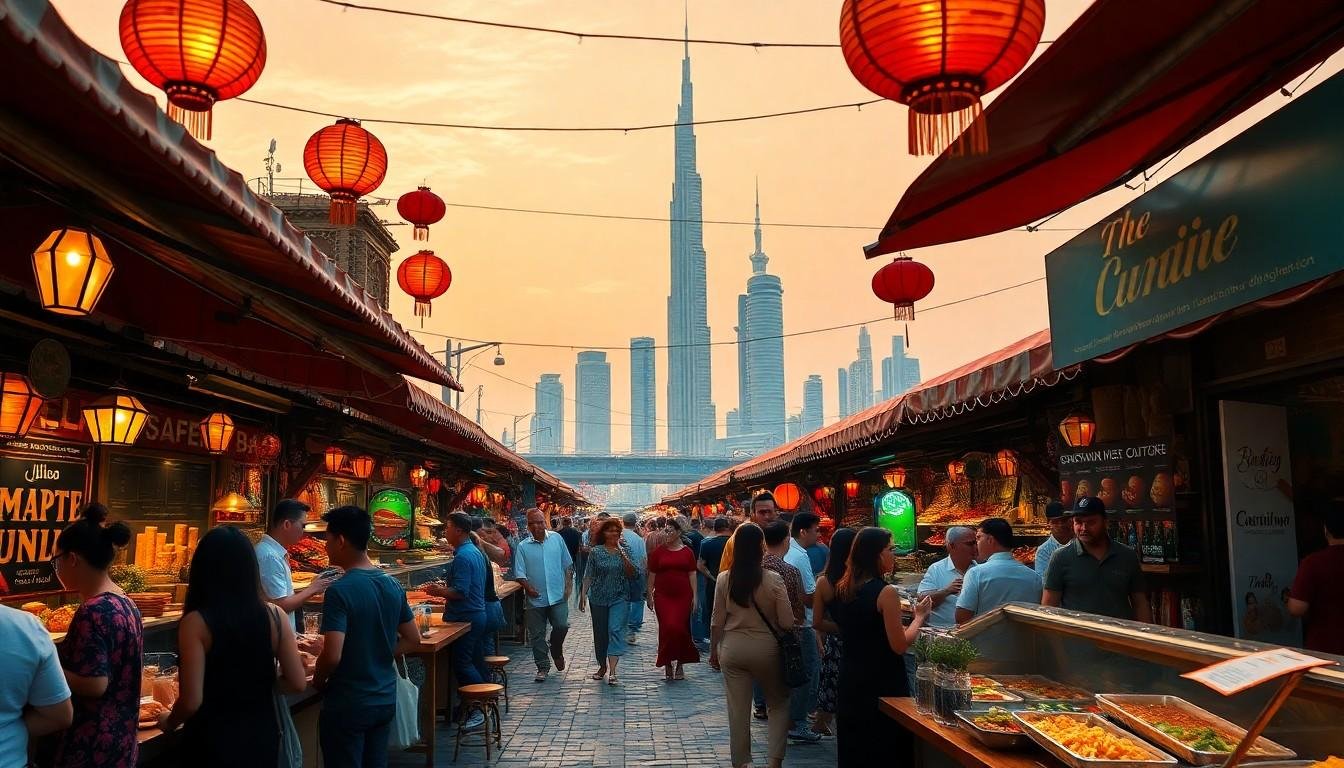
Dubai’s hospitality sector has long been built on scale, ambition and reinvention, but the latest shift is less about spectacle than about specialisation. As hotels, resorts and dining venues compete to offer more memorable stays, a new layer of suppliers is emerging alongside the familiar food, fittings and facilities businesses: firms that help shape the experience itself.
That evolution reflects a broader change in how value is being created across the city’s premium hos...
Continue Reading This Article
Enjoy this article as well as all of our content, including reports, news, tips and more.
By registering or signing into your SRM Today account, you agree to SRM Today's Terms of Use and consent to the processing of your personal information as described in our Privacy Policy.
pitality market. Rooms alone are no longer enough. Properties are now judged on atmosphere, ritual, design, entertainment and the ability to turn a visit into something guests want to share, remember and return to. In practical terms, that has created demand for suppliers who can contribute not just products, but mood, identity and narrative.
Some of that demand is already visible in the UAE’s supplier landscape. Dubai-based Acacia Hospitality Supply provides hotels, restaurants and healthcare clients with items ranging from bathroom amenities and minibar stock to irons, weighing scales and kettle sets, showing how the traditional backbone of hospitality procurement remains central even as expectations rise. Sheeba Hospitality, meanwhile, positions itself around premium tableware, barware, cutlery, handcrafted metalwork and bespoke décor, underlining how presentation and detail have become commercial differentiators as much as functional necessities. Yellow Sky, which has been serving the UAE market since 2007, focuses on tableware, glassware, kitchen utensils and bedding, again highlighting how even conventional supply chains are adapting to a more exacting hospitality brief.
At the same time, a different type of business is moving closer to the heart of hotel strategy. RBS Hospitality Facilities Services in Dubai says it works with client teams from concept through implementation, offering consultancy, training, event support and themed party planning. That sort of model sits much nearer to experience creation than to standard procurement. Veloura Nestzz Trading, which supplies guest room essentials and customised hospitality products, also points to the growing importance of tailored presentation in serviced apartments, short-stay rentals and property management.
The commercial logic is straightforward. In a market crowded with high-end rooms and ambitious launches, operators are looking for ways to stand out that cannot be copied easily. A distinctive dining format, a carefully choreographed welcome ritual or a signature wellness offering can do more for brand identity than another incremental upgrade to furnishings. These elements also help drive social media visibility, increase dwell time and support higher prices.
Dubai is a particularly fertile market for this shift because competition is intense and constant. The city attracts leisure travellers, business visitors, events delegates and affluent guests who are accustomed to strong hospitality elsewhere and arrive with high expectations. That raises the bar for everyone, from luxury hotels to fine-dining restaurants and wellness-focused resorts.
The result is a marketplace in which suppliers are being asked to do more than deliver stock on time. They are being asked to help construct an experience. For some companies, that means leaning into design, curation and storytelling. For others, it means combining operational reliability with a more tailored, guest-facing offer. In either case, the opportunity lies in understanding that hospitality is no longer just about service delivery. It is about shaping the entire visitor journey.
For Dubai, that makes the experience economy not a passing marketing phrase, but a business reality. And for the suppliers serving it, the opportunity is clear: those who can bridge the gap between product and perception are likely to become indispensable.
Source: Noah Wire Services