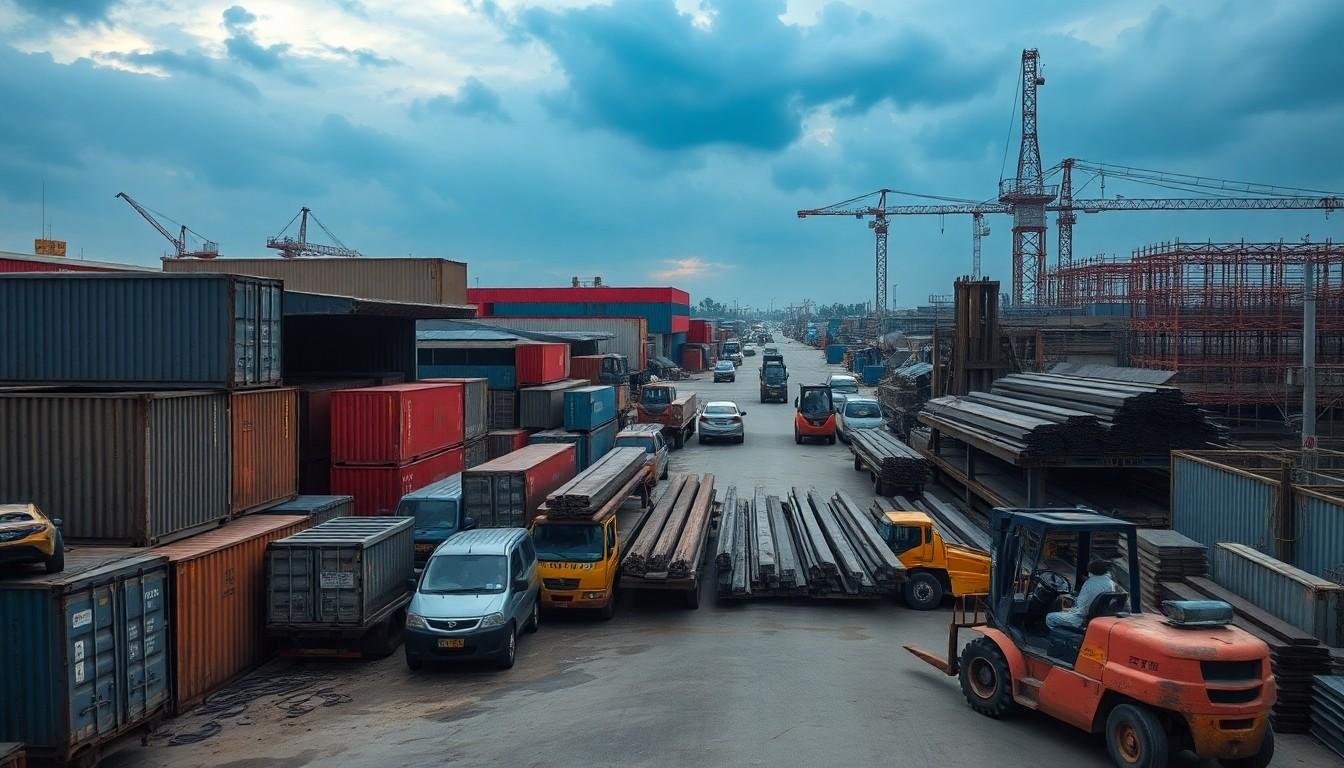
Industrial expansion depends on a supply chain that can keep pace with construction schedules, and steel is often one of the first materials to expose weaknesses in procurement planning. In projects such as plant extensions, warehouse builds, logistics hubs, power installations and pre-engineered buildings, even a short interruption in deliveries can lead to idle crews, rescheduled fabrication and higher costs.
That is why many developers and contractors look for steel dealers ...
Continue Reading This Article
Enjoy this article as well as all of our content, including reports, news, tips and more.
By registering or signing into your SRM Today account, you agree to SRM Today's Terms of Use and consent to the processing of your personal information as described in our Privacy Policy.
in Chennai with substantial stock, processing capacity and dependable distribution. Chennai’s position as a major industrial and transport centre gives it an advantage in serving sectors such as automotive manufacturing, engineering, petrochemicals, warehousing and renewable energy, while also supporting projects across neighbouring states.
The case for stronger steel procurement is clear. Industrial projects usually involve EPC contractors, fabricators, consultants and on-site execution teams, all of whom depend on material arriving in the right grade and at the right time. Delays can be caused by poor inventory planning, dependence on multiple suppliers, shifting delivery windows, transport bottlenecks, grade shortages or late design changes. When beams, plates, coils or reinforcement bars arrive late, the effect can ripple through the entire project timeline.
A more reliable approach is to work with suppliers that maintain ready inventory rather than relying entirely on mill production. Dealers with a broad stock profile can help reduce lead times and improve emergency availability, particularly for hot rolled coils, structural steel, IS 2062 plates, TMT bars and chequered plates. Companies such as Daga Steel, United Steel Distributors and Goel Steel Company illustrate the type of regional supplier that combines long trading experience with processing facilities and stockholding strength.
Processing capability matters almost as much as inventory. Industrial buyers often need cut-to-length material, shearing, gas cutting, plate sizing or machining before steel can move to fabrication or installation. Suppliers that can handle these services in-house reduce handovers, limit coordination problems and speed up site readiness. Goel Steel, for example, highlights multi-centre infrastructure and a stocking base of 8,000 tonnes, while other Chennai suppliers emphasise processing centres and prompt delivery as part of their service model.
Project teams also benefit from more disciplined procurement planning. Centralising orders with a single supplier can simplify traceability, documentation and delivery coordination. Forecasting demand around construction milestones helps avoid last-minute purchases and supports tighter budget control. In fast-track work, particularly pre-engineered buildings, this kind of planning can be decisive. Morning Star Infra Projects says it completes PEB work in four to eight months, underlining how tightly material flow and construction speed are linked.
Quality assurance is another pressure point. Industrial buyers typically need certified steel that meets relevant specifications, along with test certificates and traceability records. Inconsistent material quality can create rework, inspection failures and fabrication delays. Reliable dealers help reduce those risks by maintaining standards and coordinating documentation alongside deliveries.
For project owners, fabricators and contractors, the choice of steel supplier is therefore not simply a purchasing decision. It is a scheduling decision, a risk-management decision and, increasingly, a productivity decision. In a market where supply chain disruption and price volatility remain persistent concerns, early procurement planning can make a measurable difference.
The most effective steel dealers in Chennai combine inventory depth, technical support, logistics strength and processing services under one roof. For industrial expansion projects, that combination can be the difference between a programme that slips and one that stays on track.
Source: Noah Wire Services