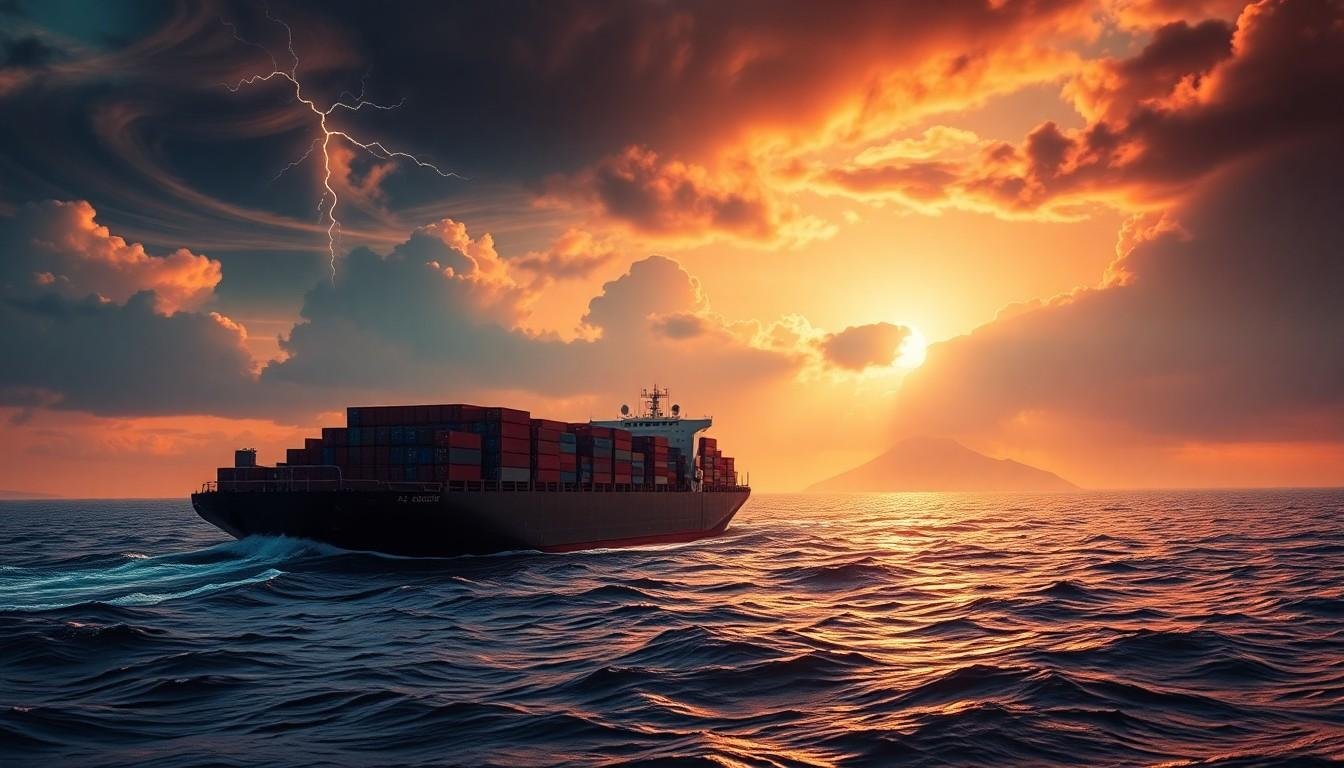
The Bab el-Mandeb Strait has become one of the most consequential flashpoints in global trade, turning a narrow waterway off Yemen into a pressure point for shipping, energy markets and regional security. Known as the “Gate of Tears”, the strait links the Red Sea with the Gulf of Aden and the Indian Ocean, and at its narrowest point it is barely 29 kilometres across. According to maritime analysts, roughly 12% of world trade and a significant share of seaborne energy shipm...
Continue Reading This Article
Enjoy this article as well as all of our content, including reports, news, tips and more.
By registering or signing into your SRM Today account, you agree to SRM Today's Terms of Use and consent to the processing of your personal information as described in our Privacy Policy.
ents normally pass through the route, underscoring how much of the international economy depends on the passage remaining open.
That dependence has made Houthi threats in the area far more than a local security problem. By disrupting traffic through the strait, the Iran-aligned group has forced shipping firms to reconsider the most direct route between Asia and Europe and, in many cases, to reroute vessels around Africa’s Cape of Good Hope. The detour adds thousands of kilometres to journeys and can lengthen transit times by well over a week, while driving up fuel costs, crew expenses and insurance premiums. Those added costs ripple through supply chains, eventually feeding into higher prices for consumer goods, energy and raw materials.
The strain has been felt particularly sharply in the Red Sea corridor. Reuters has reported that war-risk insurance for vessels still attempting the passage has risen steeply, reflecting the danger posed by drones, missiles and explosive boats operating in the area. For port operators and logistics companies, the result has been a scramble to adjust schedules, absorb higher costs and maintain deliveries in an environment where predictability has been badly eroded.
For Saudi Arabia, the implications are strategically awkward. The kingdom depends on secure access to Red Sea shipping lanes for exports and for its broader plan to develop the western coast as a commercial and tourism hub. Any sustained disruption at Bab el-Mandeb complicates those ambitions and adds another layer of vulnerability to a region already shaped by conflict and rivalry. Israeli officials have also treated the strait as part of a wider security challenge, given the impact on Red Sea traffic and the risk to assets linked to the port of Eilat, where shipping from the Far East has been hit hard.
The crisis has also widened the diplomatic fault lines around the region. The Houthis’ ability to threaten a maritime chokepoint gives Tehran a means of applying pressure far beyond Yemen without needing to move against the Strait of Hormuz itself. That has pushed Israel, Arab states and Egypt towards more discreet security and intelligence co-operation, even as public acknowledgement of such ties remains politically sensitive. Egypt has borne one of the heaviest economic burdens, with reduced traffic through the Suez Canal squeezing a vital source of foreign currency at a time when its broader financial pressures are already severe.
Major powers have responded unevenly. The United States and Britain have led patrols and strikes aimed at deterring attacks and protecting commercial shipping, while China has favoured quiet diplomacy and avoided overt military engagement. The differing approaches highlight a larger question that now hangs over the region: whether the international community can still guarantee freedom of navigation in an era when relatively small armed groups can inflict global economic damage from a strategically placed coastline.
What was once a narrow maritime passage is now a symbol of a wider strategic problem. The Bab el-Mandeb crisis has shown that a chokepoint controlled or threatened by an armed actor can disrupt trade, reshape alliances and expose the fragility of global supply chains.
Source: Noah Wire Services