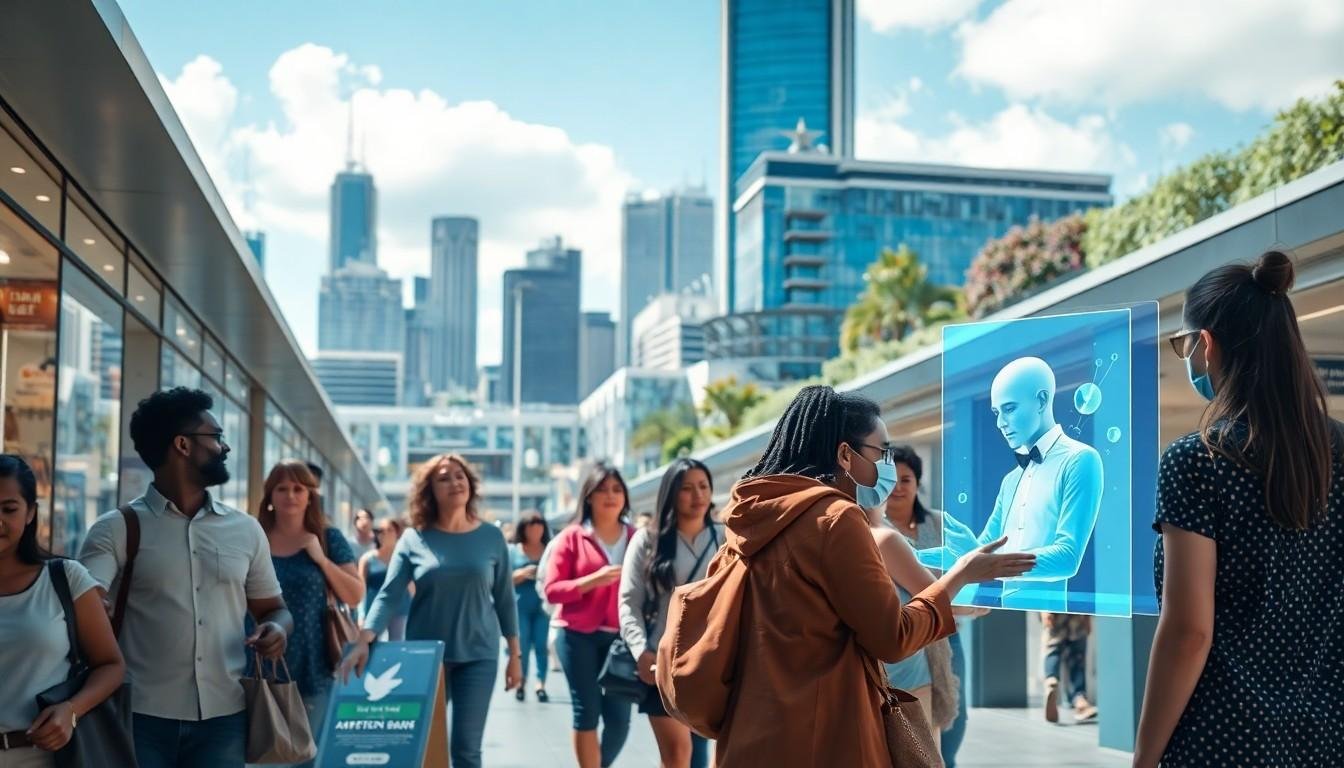
Australian retailers are being urged to prepare for a shopping environment in which AI agents do more of the browsing, comparing and deciding, not just the customer. Adobe’s APAC digital strategy lead, Sheerien Salindera, told RetailBiz that the sector is moving beyond omnichannel retail into what she called “omni conversations”, where consumers are increasingly accompanied by an AI assistant through the buying journey. (
Continue Reading This Article
Enjoy this article as well as all of our content, including reports, news, tips and more.
By registering or signing into your SRM Today account, you agree to SRM Today's Terms of Use and consent to the processing of your personal information as described in our Privacy Policy.
er" href="https://business.adobe.com/blog/ai-traffic-surge-retail-sites-not-machine-readable?utm_source=openai">business.adobe.com)
Salindera said Deloitte research suggests 80% of consumers would use an agent to save money, while about half of Australian shoppers are already willing to trust an agent to compare products and prices. Adobe has also said retailers are seeing sharp growth in AI-driven site visits, with Salindera citing increases of more than 300% compared with human visits, alongside stronger conversion rates when shoppers have already used an agent for research. (business.adobe.com)
The immediate issue for retailers, she said, is not only customer engagement but visibility: products, pricing and content must be structured in ways that AI search and recommendation tools can understand. That challenge is becoming more pressing as broader industry reporting suggests consumers are already leaning on generative AI for product research, and that agent-led shopping could account for a sizeable slice of online spending in the coming years. (techradar.com)
TechRadar Pro reported this week that 30% to 45% of US consumers are already using generative AI for product research, and estimated that agentic shoppers could represent between $190 billion and $385 billion in US e-commerce spending by 2030. The same reporting warned that retail systems built for human behaviour may struggle to authenticate legitimate agents while still blocking fraud, forcing merchants to rethink identity checks, permissions and fraud detection. (techradar.com)
Salindera also pointed to the opportunity for AI inside retailers’ own operations, arguing that the technology can reduce costs as well as shape demand. Adobe has recently introduced GenStudio for Commerce Media Networks, which the company says is designed to help retailers create, personalise and measure advertising content more efficiently, although Salindera said creative review remains a bottleneck when offers, prices and multiple audience versions are involved. (business.adobe.com)
She cautioned that retail media should not simply be treated as a new way to monetise customer attention. In her view, the bigger prize is using it to deepen loyalty, rebuild direct relationships with shoppers and keep the brand experience emotionally resonant while also serving the structured information that agents need. (business.adobe.com)
Source: Noah Wire Services