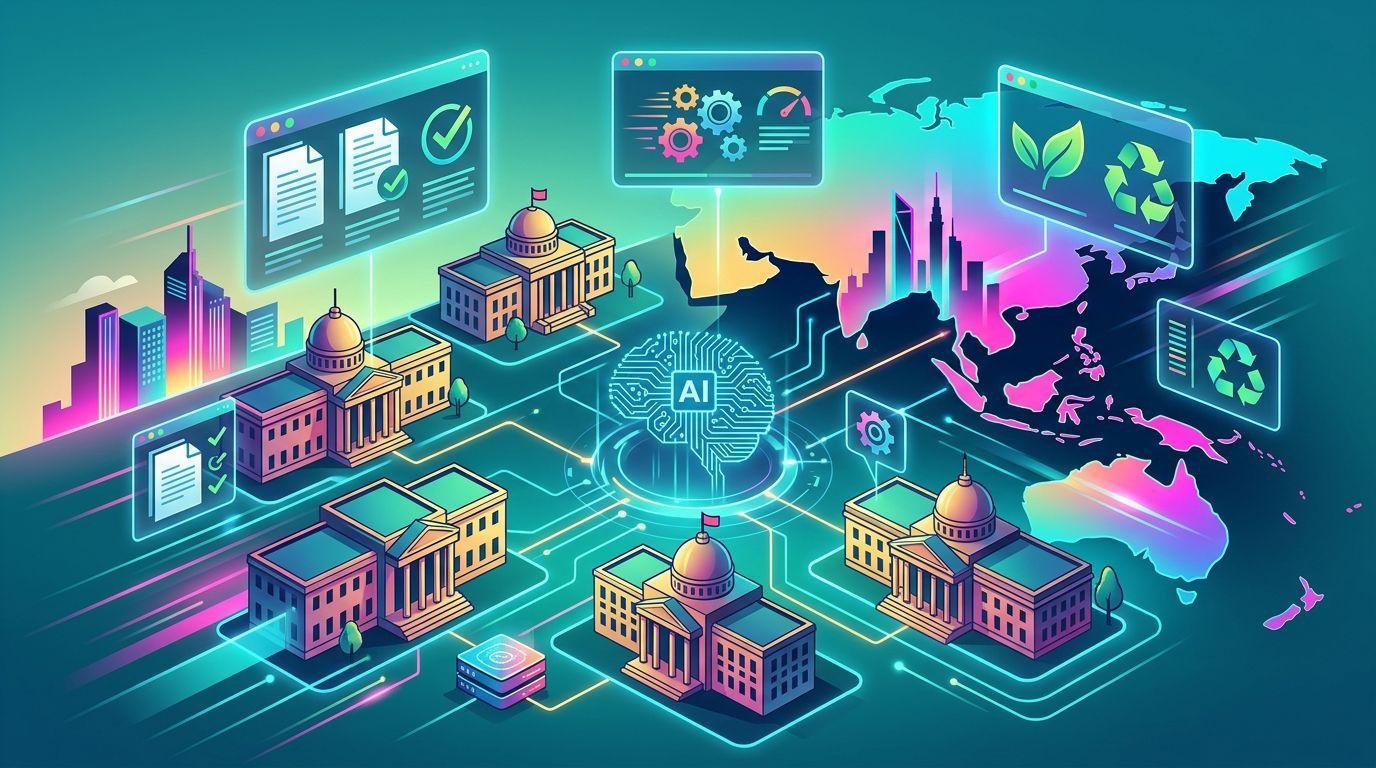
Public procurement across Asia and the Pacific is moving beyond simple digitisation as governments and multilateral institutions increasingly look to artificial intelligence and data analytics to make buying systems smarter, faster and more accountable.
South Korea’s Public Procurement Service used a meeting in Bhutan this week to position its next-generation procurement platform as a model for that transition. At the 11th Asia-Pacific Electronic Procurement Network meeting i...
Continue Reading This Article
Enjoy this article as well as all of our content, including reports, news, tips and more.
By registering or signing into your SRM Today account, you agree to SRM Today's Terms of Use and consent to the processing of your personal information as described in our Privacy Policy.
n Thimphu, the agency outlined how it has been consolidating previously fragmented procurement systems and datasets into a single platform using AI, big data and cloud technology, while also sharing the operational lessons it has learned along the way.
The gathering, jointly hosted by the Asian Development Bank and the Bhutanese government, brought together officials and international organisation representatives from more than 40 countries. The ADB described the meeting’s central themes as digital innovation in e-government procurement, adoption of AI and stronger governance, reflecting a broader shift in priorities across the region.
The network itself was established in 2015 through cooperation between the Korean procurement agency and the ADB to expand electronic procurement and improve transparency and efficiency in public purchasing. What began as a forum for countries introducing electronic systems has evolved into a more advanced policy and technical network, as most member economies now already operate some form of e-procurement.
That change in maturity has altered the debate. The question is no longer whether to digitalise procurement, but how to connect accumulated data, use AI to forecast demand and detect anomalies, and do so without weakening fairness, accountability or public trust. Korean officials used the Thimphu meeting to argue that the next stage of procurement reform will depend as much on standards, people and governance as on software.
According to the Public Procurement Service, the agency’s new platform unifies procurement functions and data that had previously been spread across separate institutions and systems. It has also drawn on the experience of earlier phases of electronic procurement, including technical errors and operational setbacks, in order to improve the design of the current system. That emphasis on what went wrong as well as what worked was intended to help other countries avoid costly mistakes as they build or overhaul their own systems.
The ADB’s own agenda for the meeting broadly matches that direction of travel. Alongside AI-based e-government procurement, the bank has highlighted next-generation platforms, sustainable procurement and capacity building for procurement specialists as the key issues for the region. On the second day of the event, participants were expected to focus on implementation challenges, including system development failures and the training of procurement professionals.
The broader international policy environment points the same way. The OECD’s 2025 report on digital transformation in public procurement calls for deeper system integration, wider use of new technologies and more data-driven decision-making. But it also warns that fragmented systems, ageing infrastructure and weak digital skills remain major barriers. The organisation has said that as AI and machine learning are introduced into procurement, governments must strengthen safeguards around fairness, transparency and accountability rather than relying on efficiency gains alone.
The stakes are high because public procurement is not a niche administrative function. The ADB has said government purchasing can amount to 15% to 20% of GDP in some countries, meaning even small improvements in procurement performance can produce substantial fiscal savings and efficiency gains. That is one reason governments now see procurement platforms not merely as back-office systems, but as strategic infrastructure.
In South Korea, that strategic role is becoming more pronounced. The government is using public procurement as an early market for AI products, seeking to help promising suppliers reach customers while also introducing specialist review processes and supporting domestic and overseas market access. At the same time, the Public Procurement Service is pushing ahead with the wider application of AI across the procurement cycle, from bidding and evaluation to pricing and contract management, in a market worth about 225 trillion won a year.
The procurement agency’s deputy chief, Kang Seong-min, told the Bhutan meeting that the next generation of electronic procurement should become an intelligent system capable of forecasting demand and identifying warning signs early through data and AI. He also stressed that as technology becomes more sophisticated, the expertise of procurement officials and the principles of fairness and transparency become even more important.
Sustainability is also becoming a bigger part of the picture. The ADB has recently revised parts of its own procurement approach, introducing merit-point criteria for all internationally advertised contracts funded by the bank from January 2026, with greater emphasis on quality, sustainability and value for money. That shift underlines how digital procurement platforms are increasingly being used to advance not just administrative efficiency, but also environmental and social policy goals.
For Asia-Pacific governments, the challenge now is less about installing electronic systems than ensuring they can be trusted, connected and used intelligently. The Thimphu meeting suggested that the region is entering a second phase of procurement reform: one in which AI is no longer a future possibility, but a practical tool that must be governed carefully if it is to improve public value rather than simply automate old problems.
Source: Noah Wire Services