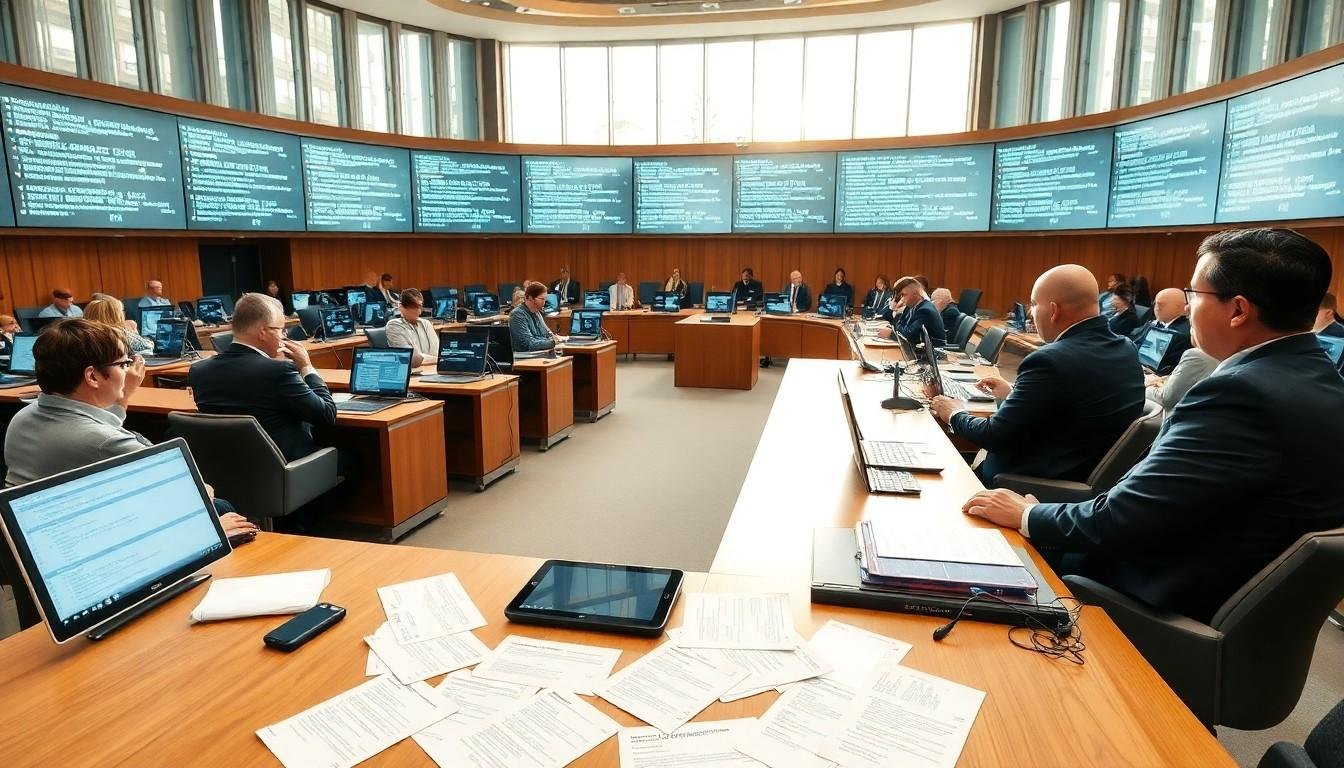
Armenia’s parliament has begun first-reading debate on a package of changes to procurement law that officials say is intended to make public purchasing more transparent, competitive and easier to manage.
Deputy Finance Minister Avag Avanesyan told lawmakers, as reported by 1lurer.am, that the government is trying to strike a better balance between tight control over public spending and the flexibility needed for an efficient system. He argued that the current framework, despi...
Continue Reading This Article
Enjoy this article as well as all of our content, including reports, news, tips and more.
By registering or signing into your SRM Today account, you agree to SRM Today's Terms of Use and consent to the processing of your personal information as described in our Privacy Policy.
te several amendments in recent years, still reflects the original structure and logic of the law rather than the needs of today’s procurement environment.
Officials say the existing rules no longer fully match international practice or the technological tools now available. In their view, procurement procedures remain overly burdensome, with too much administration and not enough flexibility, accountability, transparency or digitalisation. The proposed changes are meant to modernise the system, streamline procedures and create space for new technical solutions and experimental approaches.
The reform drive comes after the Armenian government approved related bills on January 22, 2026, with Finance Minister Vahe Hovhannisyan saying one of the main goals was to put in place mechanisms that would help eliminate corruption risks in public procurement. That priority also features in Armenia’s wider anti-corruption agenda, including the 2023-2026 strategy adopted by the government in October 2023.
Authorities have already been pushing procurement further online. Under a government commitment linked to the Open Government Partnership, Armenia aimed to build a comprehensive electronic procurement system that would expand the number of users, connect different digital platforms and automatically publish and analyse procurement data.
The policy direction also follows earlier efforts to reduce sole-source contracting. In 2023, Hovhannisyan said changes that shifted responsibility for such decisions from the cabinet to individual ministers had strengthened internal oversight and helped drive more competitive tenders. The latest bill appears designed to deepen that trend by tightening controls, improving scrutiny and widening competition across the system.
Source: Noah Wire Services