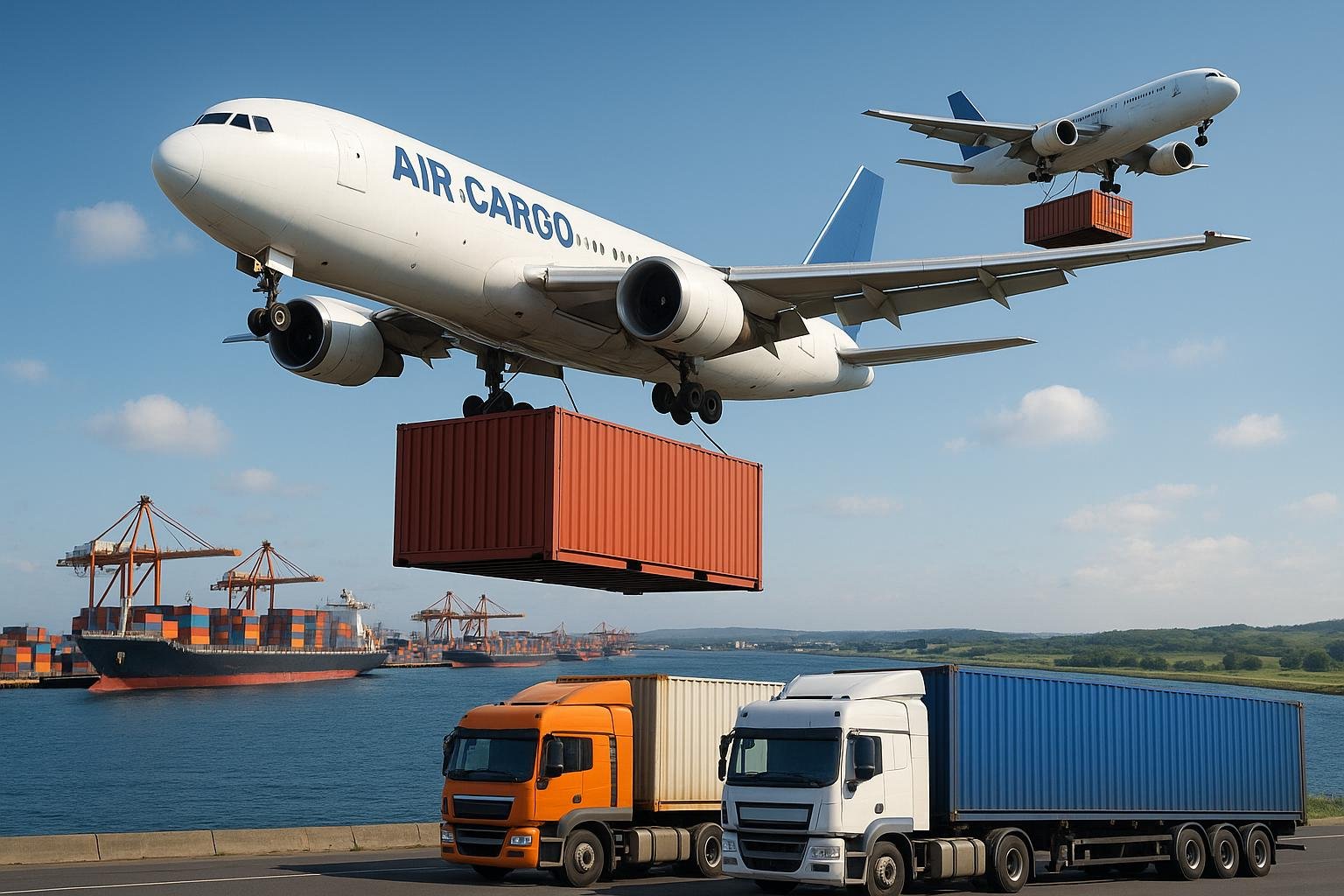
US importers are turning to air cargo not just for speed but as a tactical response to fluctuating tariffs, reshaping global supply chain strategies amid policy uncertainty.
US importers are increasingly using air cargo as a tactical response to tariff volatility, treating faster transport not just as a service premium but as a way to blunt policy risk and protect margins.
The shift is being driven by the changing arithmetic of trade. For many shippers, the extra cost of...
Continue Reading This Article
Enjoy this article as well as all of our content, including reports, news, tips and more.
By registering or signing into your SRM Today account, you agree to SRM Today's Terms of Use and consent to the processing of your personal information as described in our Privacy Policy.
flying goods can be outweighed by the duty bill they avoid if cargo lands before higher tariffs take effect. That calculation is especially persuasive for high-value shipments such as servers, electronics and industrial machinery, where the value per kilo is high enough to make airfreight commercially defensible even in normal times.
Transport Journal reported that this dynamic has pushed more firms towards air cargo charters, with Chapman Freeborn USA’s senior vice-president of cargo, Jack Burt, saying demand for expedited air services rose 5% in July. According to that reporting, the appeal lies in speed and flexibility at a moment when deadlines on U.S.-China tariffs have shifted repeatedly, forcing importers to move quickly when policy windows open.
The effect is not limited to one lane or one industry. Air cargo has become part of a broader reshaping of supply chains as companies rework sourcing, diversify suppliers and reduce dependence on single-country procurement. Capital Economics said some U.S. importers have been switching to alternative Asian suppliers to limit exposure to China-related duties, while also noting that some Chinese goods may be being rerouted through third countries.
That kind of reconfiguration makes logistics a more strategic function than it used to be. Firms are no longer choosing between sea and air solely on the basis of transit time and freight cost; they are weighing tariffs, inventory exposure, customs timing and the risk of sudden rule changes. In that environment, air cargo is being used as a bridge while supply chains are adjusted or as a deliberate front-loading tool when duties are expected to rise.
The same logic is also encouraging some importers to use bonded warehouses, according to AInvest, which described them as a way to defer customs payments until goods are actually needed in the market. That approach does not eliminate tariffs, but it can buy time and preserve cash flow while companies decide when to clear cargo into the US.
For the air freight market, the result has been uneven but meaningful demand. Reports from industry outlets suggest tariff-related shipments have created short-lived spikes in volume, followed by normalisation once new duties come into force. That pattern can support rates and tighten capacity in specific corridors, even when broader trade conditions remain subdued. JCTrans said global air cargo demand rose 5% year on year in July, with tariff avoidance a major factor.
There are, however, practical limits. Capacity has generally been available in some markets because overall trade has been softer, but regions such as Southeast Asia have reportedly remained tight, making network reach and broker relationships more important. That has increased the value of forwarders and charter specialists that can secure lift at short notice and keep urgent cargo moving when policy changes abruptly.
The broader message is that tariffs are influencing not only where goods are made, but how they move. Air cargo is increasingly part of that policy response, used as a tool to manage timing, protect profit and keep supply chains flexible in a more unsettled trade landscape.
Source: Noah Wire Services