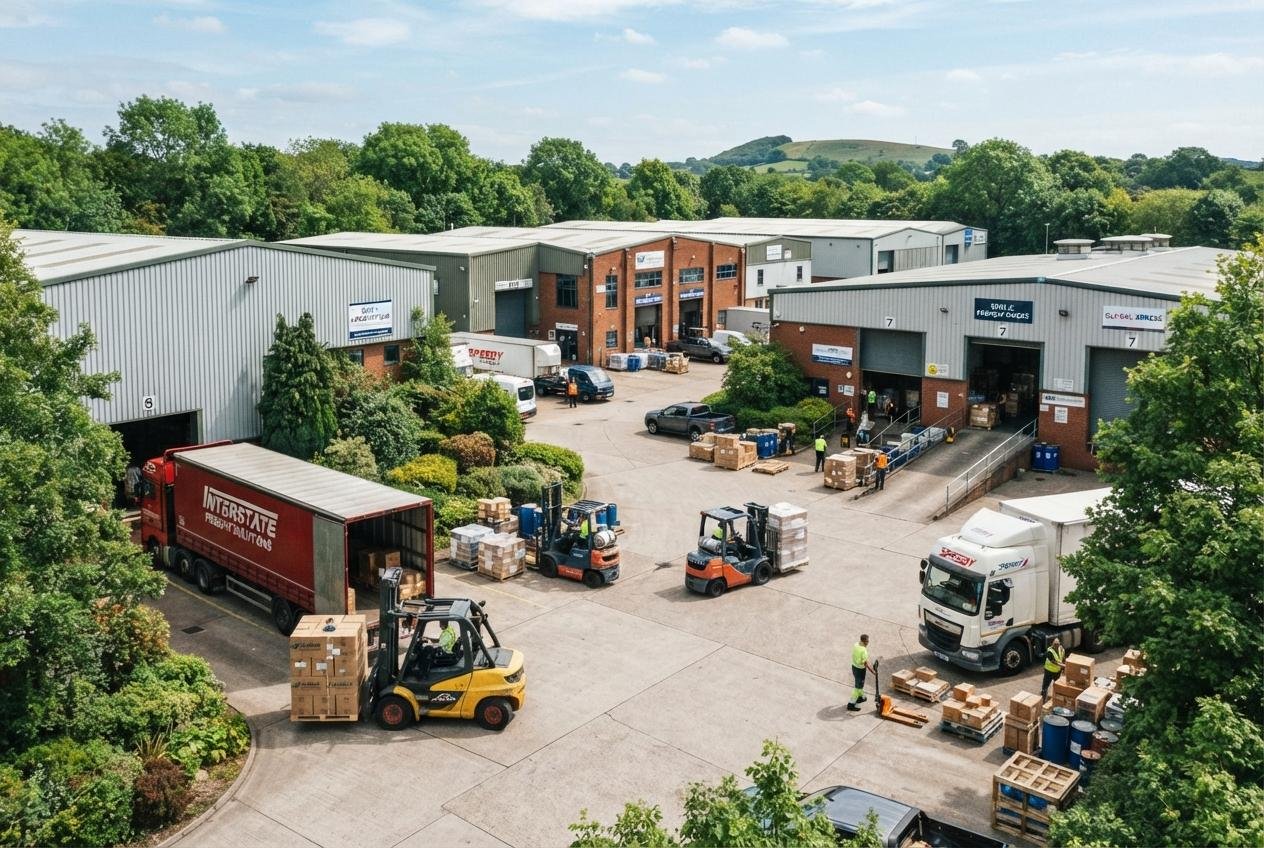
As procurement teams and operations leaders map out 2027 spending, pallets are unlikely to be the headline line item, yet they can still cause budget pain if they are left too late in the planning cycle. The market is calmer than during the worst of the pandemic-era disruption, but costs have not become static, and the biggest risks now tend to come from labour, service reliability and poorly timed buying decisions.
One of the clearest pressures remains labour. Data from the Fe...
Continue Reading This Article
Enjoy this article as well as all of our content, including reports, news, tips and more.
By registering or signing into your SRM Today account, you agree to SRM Today's Terms of Use and consent to the processing of your personal information as described in our Privacy Policy.
deral Reserve Bank of St Louis, drawing on US Bureau of Labour Statistics figures for wood container and pallet manufacturing, shows unit labour costs in the sector rising steadily from 2020 to 2023. That matters because labour is not just a factory issue: it affects pallet repair, handling and distribution as well. In practical terms, even when timber prices settle, higher wage costs can keep finished pallet prices from falling in step.
Material costs are also more predictable than they were a few years ago, but they are still exposed to external shocks. Industry commentary on pallet pricing suggests that lumber, fasteners, transport and regional demand all continue to influence the final bill. For plastic pallets, the sensitivity can be even more pronounced: one market analysis says raw materials such as HDPE and polypropylene make up most production costs, which means resin swings can quickly feed through into pricing. Across both wood and plastic formats, that argues for budgeting with a cushion rather than assuming a flat annual rate.
For many buyers, though, the bigger change is that the conversation has shifted from unit price to resilience. A cheap pallet is not a bargain if it arrives late, fails in use or is inconsistent enough to disrupt downstream operations. Procurement teams are increasingly weighing supplier capacity, geographic reach and inventory availability alongside headline cost. That is especially important for businesses that depend on smooth, repetitive flows and cannot afford surprise shortages at peak periods.
Sustainability is another area that can affect the bottom line. Repaired, recycled and reconditioned pallets can lower spend while reducing waste, and pallet recovery schemes can extend the life of assets that would otherwise be discarded. For organisations trying to balance cost control with environmental targets, those programmes can offer a useful middle ground. They are also often easier to scale when they are built into contracts before demand tightens.
Timing still matters. Standard new pallet prices reported in industry guides for 2026 vary by size and specification, with recycled options typically cheaper and plastic pallets occupying a much wider price range depending on design and durability. That spread underlines the value of planning early: once seasonal demand rises, choices narrow and premiums become harder to avoid. Reviewing historical usage, identifying busy periods and confirming 2027 requirements well ahead of time can reduce both cost and operational risk.
For buyers preparing next year’s budgets, the lesson is straightforward. Pallets should be treated less as a commodity afterthought and more as part of a wider supply strategy. The companies that plan early, diversify wisely and build in modest flexibility are far less likely to face unpleasant surprises once the budget is signed off.
Source: Noah Wire Services