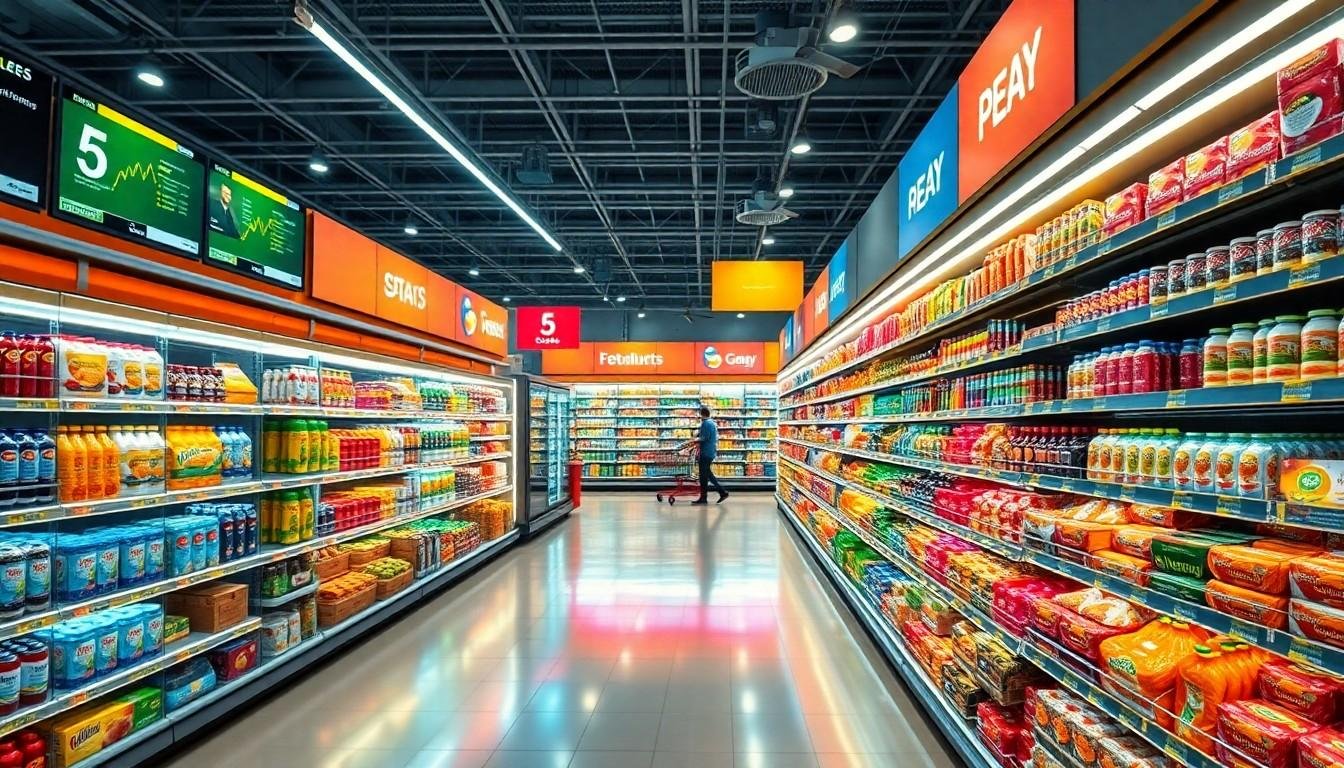
Supermarket buyers may be less visible than the brands they stock, but their judgement often decides which products make it into shoppers’ baskets. In International Supermarket News, Riad Beladi revisits that often overlooked role, arguing that the modern buyer must do far more than approve a line on price alone. The core test remains commercial viability, but the range of considerations has widened: product quality, supply reliability, consumer demand, differentiation and the abili...
Continue Reading This Article
Enjoy this article as well as all of our content, including reports, news, tips and more.
By registering or signing into your SRM Today account, you agree to SRM Today's Terms of Use and consent to the processing of your personal information as described in our Privacy Policy.
ty to fulfil orders consistently all shape the final decision.
That view is echoed by ESM Magazine, which reports that supermarket buyers are increasingly focused on product-market fit rather than simple cost comparisons. A product may be competitively priced, but if it does not suit the retailer’s customer base, reflect current shopping habits or stand out in a crowded category, it is unlikely to progress. Buyers are also expected to balance affordability with margin protection, a task that has become more complex as consumers remain price-conscious while still expecting better value, more choice and clearer relevance.
McKinsey has described food retailing as an area where product specifications must align closely with a retailer’s wider value proposition. That means buyers are not just selecting products; they are shaping the store’s offer and, by extension, how shoppers perceive it. The consultancy also points to the importance of sourcing strategy, including how many supplier relationships a retailer maintains and whether those suppliers are benchmarked effectively on price. In practice, that places buyers at the intersection of commercial discipline and customer insight.
Availability has become a particularly important part of that equation. A 2026 report from Retail Economics and DHL found that one in three consumers now say product availability matters more than price when deciding where to shop. For retailers, that is a significant warning: a strong offer loses value if items are missing from shelves. The report adds that reliability carries extra weight with young families and affluent households, both of whom tend to be high-frequency, high-spend shoppers.
That emphasis on reliability helps explain why suppliers are expected to do more than present an attractive product. Research on supermarket produce buyers shows that they act as gatekeepers between growers and stores, using standard operating practices that can shape performance across the fresh food sector. RELEX Solutions, meanwhile, has highlighted how perishability, shelf life and temperature control make fresh and ultra-fresh categories especially demanding, with poor operational discipline quickly leading to waste, spoilage and lost sales. In other words, a buyer is not simply assessing a product’s appeal; they are judging whether the entire supply chain can support it.
Beladi’s observation is that the role has become more data-informed without losing its human element. Buyers now draw on consumer insight, category performance and market trends, yet they still depend on experience, supplier knowledge and an instinct for what will work in a particular store or region. That is especially true in models such as E.Leclerc’s, where local and regional sourcing can sit alongside broader purchasing arrangements and strengthen ties with nearby producers.
For suppliers, the lesson is clear: the route to the shelf begins with understanding the retailer’s customer, commercial priorities and operational realities. A strong product is still essential, but it is only the starting point. The buyer must be convinced that it belongs in the range, that it can be delivered dependably and that it will help the store meet its promise to shoppers.
Source: Noah Wire Services