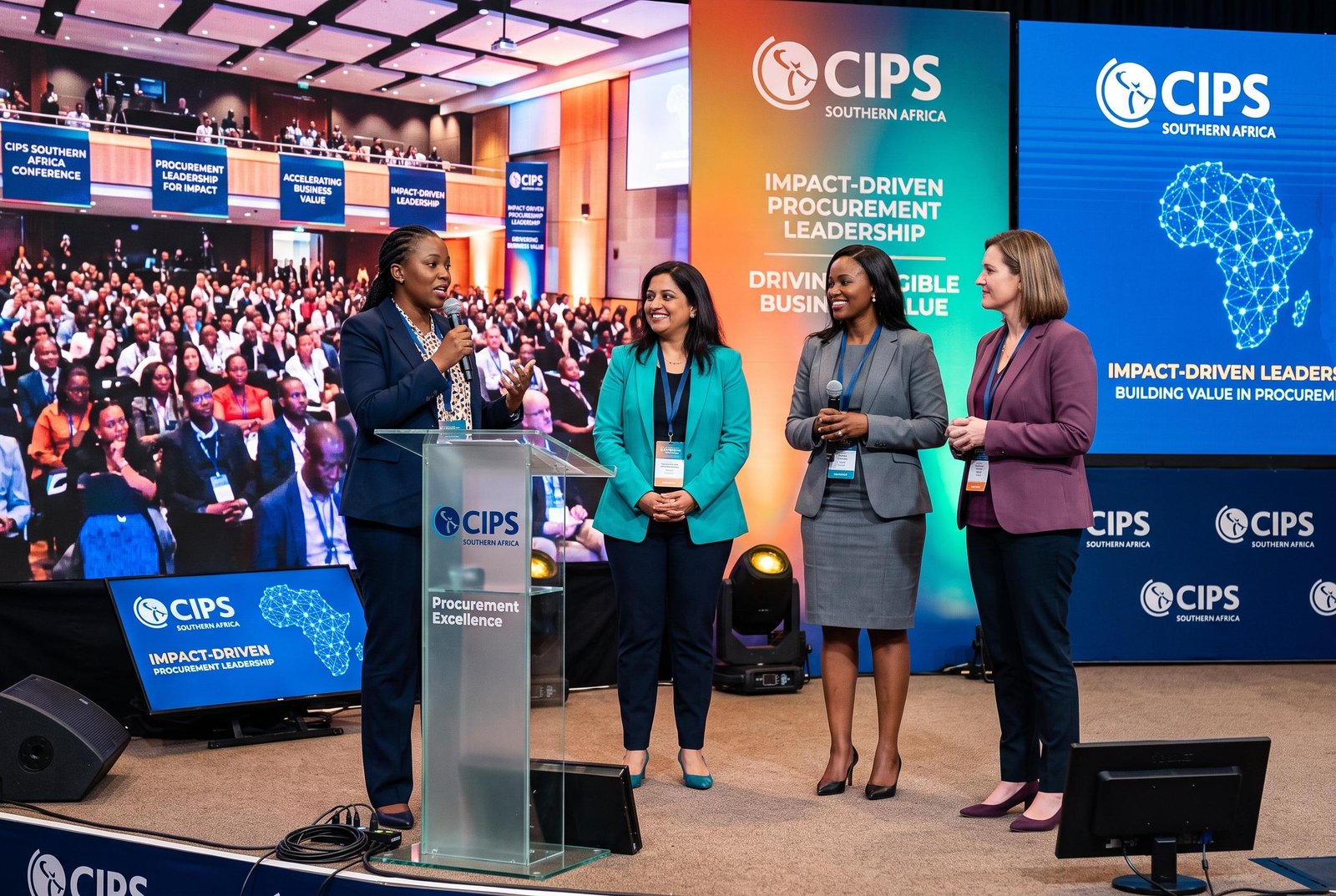
South Africa is among the world leaders when it comes to women in senior management, but a panel of procurement executives at a major industry gathering argued that the debate has now moved past representation and into impact.
At the Chartered Institute of Procurement and Supply Southern Africa Connect & Engage Conference & Awards 2026, speakers at a women in procurement and supply chain leadership session said the focus should be on the commercial value women are helpi...
Continue Reading This Article
Enjoy this article as well as all of our content, including reports, news, tips and more.
By registering or signing into your SRM Today account, you agree to SRM Today's Terms of Use and consent to the processing of your personal information as described in our Privacy Policy.
ng organisations create, not simply on diversity figures. Their remarks came against the backdrop of Grant Thornton’s latest Women in Business report, which found women hold 47.3% of senior management roles in South Africa, well above the global average.
The conference, hosted by CIPS, the world’s largest professional body for procurement and supply, brought together business, public sector and procurement leaders from across Africa to discuss how the function is increasingly shaping economic resilience, infrastructure delivery and sustainable growth.
Stella Addo, CIPS West Africa general manager, opened the discussion by urging women not to allow hesitation or self-doubt to hold back their progression. She said many chances are lost because women wait until they feel fully prepared before stepping forward.
“During my career, I’ve come to believe there are more opportunities than barriers for women. Believe in yourself. Take the opportunities when they come your way. Grow into them, learn and you’ll succeed,” she said.
The panel repeatedly returned to the idea that procurement has changed materially in recent years. What was once seen largely as a cost-control discipline is now expected to support growth, manage risk, improve governance, strengthen supply chains and deliver long-term value. In that environment, panellists said, the communication skills, stakeholder management and strategic thinking often associated with women leaders are becoming more commercially important.
Abosede Olabimtan, head of sourcing for Central and East Africa at Ericsson, said women have played a part in shifting procurement towards value creation by building stronger partnerships and encouraging collaboration. She also said women should take ownership of their careers through continuous development and by aiming for leadership roles on the basis of competence and contribution.
Jessica Fourie, procurement excellence manager at the South African Reserve Bank, said confidence, resilience and the challenge of balancing professional and personal responsibilities remain major hurdles for many women. She added that procurement professionals increasingly need to speak the language of executive leadership and present themselves as strategic partners who can influence business outcomes. She also encouraged women to keep investing in qualifications, including internationally recognised ones, even when time is limited.
The discussion echoed an earlier message from South African Revenue Service Commissioner Dr Johnstone Makhubu, who told delegates that procurement professionals should see themselves as drivers of economic growth and national competitiveness rather than mere guardians of spending.
Nazeema Dada, senior manager of procurement excellence for Africa at DP World Africa, said organisations must do more to create genuinely inclusive workplaces by giving women access to strategic work, overseas assignments and development opportunities. But she also stressed that leaders must earn their place through a clear understanding of how businesses create value, strong networks and integrity.
Several speakers highlighted the importance of professional certification and lifelong learning, saying bodies such as CIPS have a role in developing the next generation of leaders by combining technical capability with commercial awareness and soft skills.
Integrity was another recurring theme. Panellists said procurement leaders should be judged not only on commercial results but also on trust, ethical conduct and the strength of governance they help build in both the public and private sectors.
Closing the session, Motshidisi Moremi-Motshewa, procurement manager at Mascom Wireless in Botswana, said leadership should ultimately be measured by results, not gender. She urged women to keep investing in themselves, trust their abilities and focus on delivery rather than stereotypes.
Grant Thornton’s 2026 research also suggested that South Africa’s progress is part of a wider business case for gender-diverse leadership. The firm said mid-market companies that strengthen gender equality initiatives are more likely to report revenue growth, while its earlier reports warned that parity remains distant without deliberate action. Against that longer-term backdrop, the CIPS panel’s message was clear: women in procurement are no longer being discussed as a diversity metric, but as a source of measurable business performance.
Source: Noah Wire Services