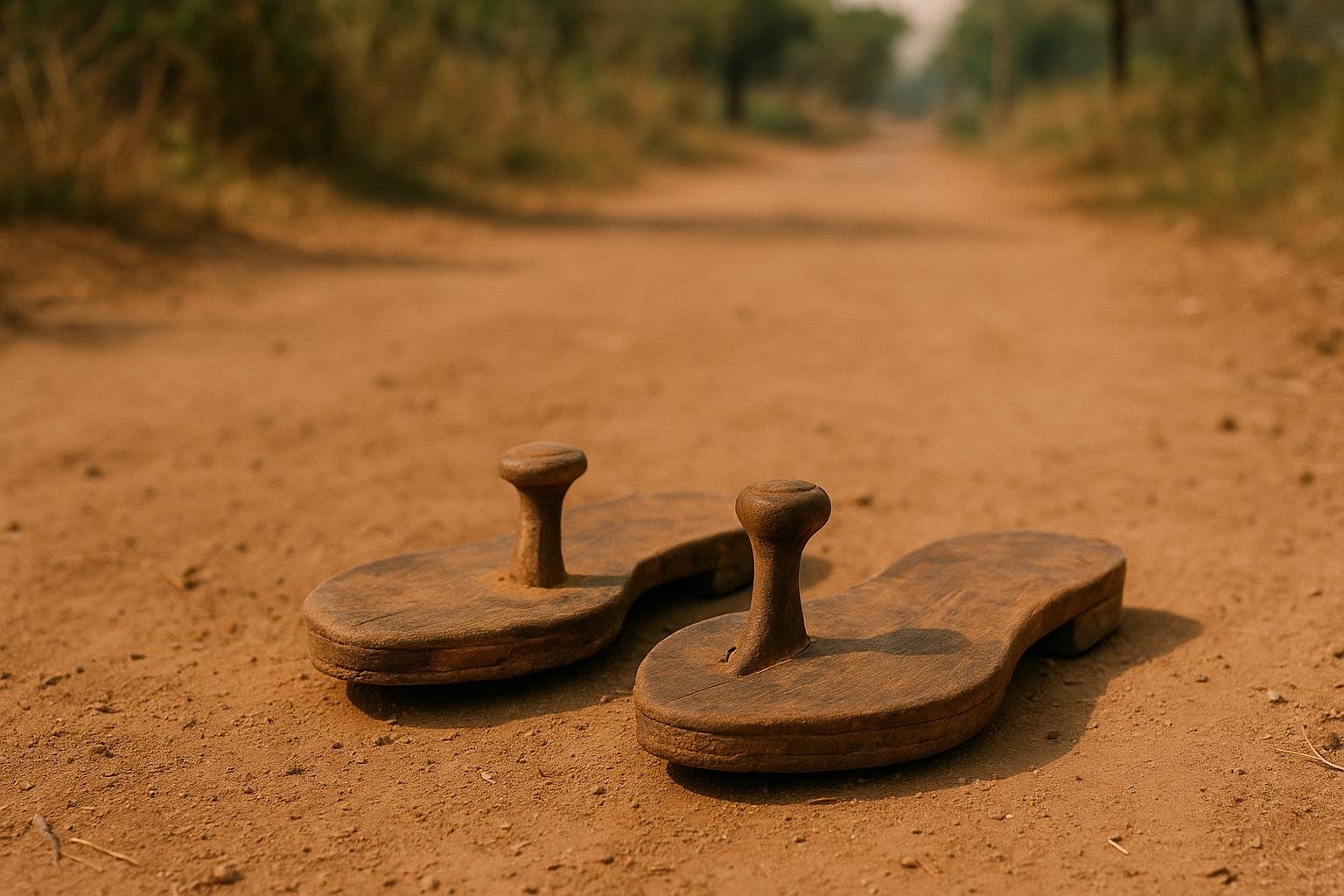
Prada plans to launch a limited-edition line of Indian-crafted sandals in response to criticism over cultural insensitivity, aiming to support artisans and reshape its engagement with traditional craft.

Prada said it will launch a limited-edition line of sandals produced in India in an effort to address criticism that designs shown at Milan Fashion Week resembled traditional Kolhapuri chappals without proper acknowledgement.
According to the original report, the ...
Continue Reading This Article
Enjoy this article as well as all of our content, including reports, news, tips and more.
By registering or signing into your SRM Today account, you agree to SRM Today's Terms of Use and consent to the processing of your personal information as described in our Privacy Policy.
Lorenzo Bertelli, Prada’s chief marketing officer and head of corporate social responsibility, told Reuters: “We’ll mix the original manufacturer’s standard capabilities with our manufacturing techniques.” He said the initiative would include a three-year partnership , currently being finalised , that will fund training programmes in India and offer opportunities for artisans to spend short periods at Prada’s Academy in Italy. “We want to be a multiplier of awareness for these chappals,” Bertelli said. He added the project and training programme would cost “several million euros”, and that artisans would be fairly remunerated.
Industry data shows that Kolhapuri chappals originate in Maharashtra and Karnataka and are handcrafted by artisans from marginalised communities, a tradition advocates say has been threatened by cheap imitations and declining local demand. Prerna Deshbhratar, LIDCOM managing director, told Reuters: “Once Prada endorses this craft as a luxury product, definitely the domino effect will work and result in increasing demand for the craft.”
The move comes after sustained public criticism at home and abroad accusing the luxury house of cultural appropriation. The episode drew coverage across Indian and international media and prompted legal and governmental comment, illustrating how social media mobilisation can pressure global brands to respond. Prada has publicly acknowledged the design’s Indian inspiration and initiated talks with artisan groups following the controversy.
Prada framed the collaboration as a mix of local craftsmanship and Italian technology. Reuters said the company plans to produce the sandals in India using traditional skills supported by Prada’s manufacturing know‑how. Bertelli told Reuters the company has no immediate plans to open retail clothing stores or factories in India, though it opened its first beauty store in Delhi earlier this year and is considering broader expansion over a three‑to‑five‑year horizon.
Analysts note the commercial logic: the luxury goods market in India was valued at around $7 billion in 2024 and is forecast to grow markedly through the decade, according to Deloitte, driven by rising disposable incomes. But Bain data show that India’s market remains well behind China’s, underscoring both the opportunity and the challenge for brands seeking authentic local engagement.
The company’s announcement seeks to position the project as both remediation and preservation: supporting artisans, raising incomes and attracting younger generations to the craft. Critics and cultural commentators, however, have cautioned that genuine restoration of credit and economic benefit for artisan communities will be measured by concrete outcomes , production numbers, pricing and long‑term market access for the craftsmen themselves , rather than symbolic gestures alone.
Prada described the sandals as a limited‑edition commercialisation of a runway design that had prompted intense debate. The company’s public statements and the agreements with LIDCOM and LIDKAR represent a significant shift from the initial presentation and reflect growing pressure on luxury brands to engage transparently with the origins of their designs and with the communities whose heritage they draw upon.
Source: Noah Wire Services
Subscribe to Industry Updates