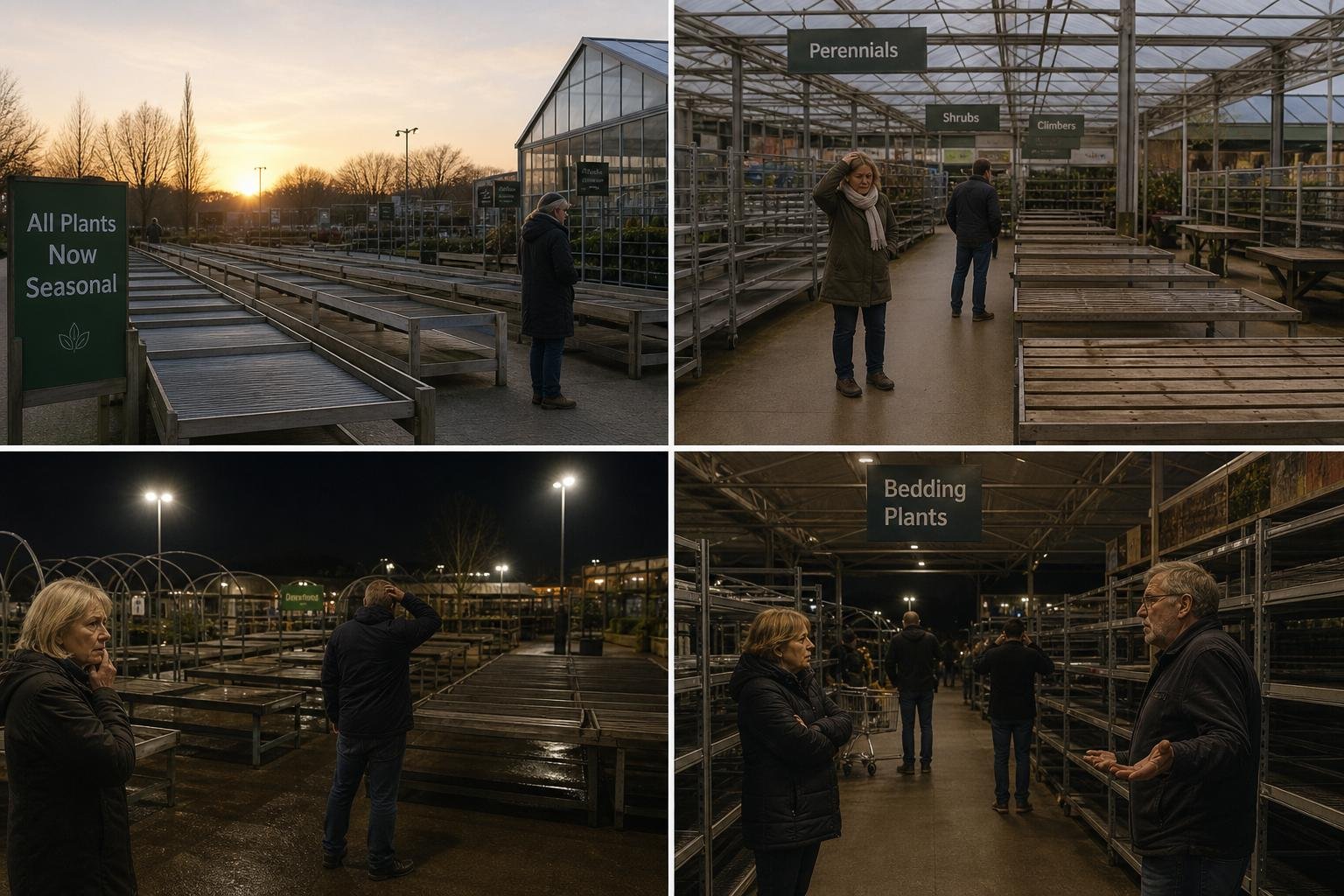
By 2026, plant buying has become far more than a matter of choosing attractive stock for the season. It now sits at the intersection of production economics, logistics, consumer behaviour and risk management, with garden centres forced to make harder decisions about range, pricing and timing than at any point in recent years.
The underlying cost base has shifted materially. Teagasc’s Horticulture Crop Input Prices 2026 report found that the cost of producing horticultural cro...
Continue Reading This Article
Enjoy this article as well as all of our content, including reports, news, tips and more.
By registering or signing into your SRM Today account, you agree to SRM Today's Terms of Use and consent to the processing of your personal information as described in our Privacy Policy.
ps in Ireland rose by an average of 3.9 per cent between January 2025 and January 2026, while long-term input inflation since 2020 has been far steeper, averaging 76.2 per cent across subsectors. Energy remains structurally more expensive than it was before 2020, and that affects heated propagation, transport and cold-chain storage. Growers are also contending with higher labour bills, tighter compliance demands and costlier fertilisers, substrates and packaging, all of which feed through into wholesale prices.
That inflationary pressure is not confined to Ireland. The American Farm Bureau Federation says projected total per-acre costs continue to rise across crops in 2026, underlining how widespread cost escalation has become across agriculture. For garden centres, the implication is clear: plant inflation is no longer a temporary squeeze, but a structural feature of the market.
Supply chains are adding another layer of difficulty. Supply Chain Dive says retailers and manufacturers are still dealing with tariff-driven disruption, material shortages and logistics uncertainty in 2026, while Nursery Management reported that freight and shipping costs remain a major concern for many growers. Longer lead times from European suppliers, weather-related disruptions and more complex import administration are making stock flow less predictable. For buyers, that means ordering further ahead while still keeping enough flexibility to respond when supply changes abruptly.
Consumer demand is also less straightforward than it once was. Shoppers increasingly want plants with visual impact, provenance or a strong design story, often inspired by social media trends rather than traditional seasonal rhythms. At the same time, they are more price conscious and more likely to compare value across retailers. The result is a tension that garden centres know well: customers want originality, but they also expect affordability.
That shift is forcing a rethink of what good buying looks like. The old model of loading up early and relying on footfall to clear stock is becoming harder to sustain. Centres are now leaning more heavily on sell-through data, weather patterns and trend signals to refine orders, reduce waste and protect cashflow. Range planning has become more deliberate, with a stronger focus on balancing dependable volume lines against premium plants that can carry better margins.
Supplier relationships are becoming more collaborative too. Rather than relying on purely transactional buying, many centres are working more closely with growers to share forecasts, shape ranges and manage availability. That approach can help both sides cope with volatility, particularly when production costs and logistics are shifting so quickly.
Sourcing strategy matters as well. UK growers can offer shorter lead times and greater stability, while European specialists may provide unusual or premium lines that help a centre stand out. Local niche producers add a further advantage through provenance and storytelling. In a market where differentiation is increasingly important, that mix can be commercially valuable as well as horticulturally interesting.
The broader lesson for garden centre leaders is that plant buying can no longer be treated as a routine operational function. It has become a strategic discipline that affects margin, resilience and customer perception all at once. Those that succeed will be the businesses that combine horticultural judgement with sharper commercial thinking, build stronger partnerships with suppliers and stay nimble enough to adapt when the market shifts.
Source: Noah Wire Services