


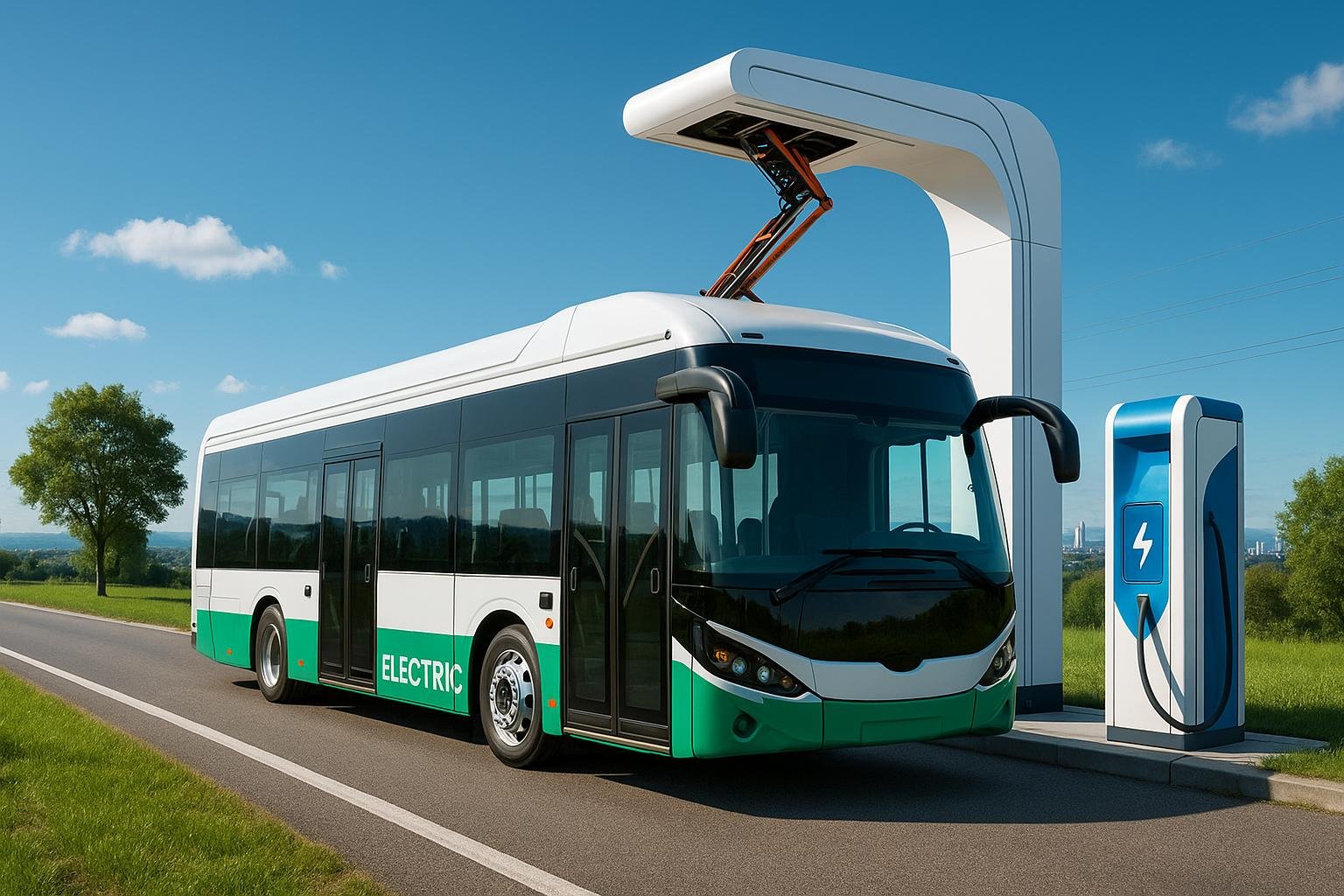
National Express Bus has signed a two-year agreement with energy platform SQE and battery specialist Zenobē, introducing a dynamic, market-responsive power management approach that aims to cut costs, lower emissions, and enhance operational resilience amid fleet electrification.

National Express Bus has signed a two‑year agreement with energy platform SQE and battery specialist Zenobē that redesigns how electricity is sourced for its expanding battery‑electric fle...
Continue Reading This Article
Enjoy this article as well as all of our content, including reports, news, tips and more.
By registering or signing into your SRM Today account, you agree to SRM Today's Terms of Use and consent to the processing of your personal information as described in our Privacy Policy.
Under the deal SQE will operate a dynamic purchasing model that enables Zenobē to manage around 47GWh of renewable energy on National Express’s behalf, supporting the operator’s wider electrification plans. The arrangement lets National Express buy power at live wholesale rates through Zenobē’s procurement team and, when charging demand is below forecasts, sell surplus energy back into the grid. SQE and Zenobē say that combination helps protect the fleet’s energy budget from price volatility while ensuring efficient buying, control and reconciliation of supply , a useful fit where up to 90% of consumption happens overnight as buses charge.
The partnership builds on a track record of collaboration between Zenobē and National Express. Zenobē has worked with National Express West Midlands on a major electrification programme that placed 170 Alexander Dennis Enviro400 zero‑emission double‑deckers into service as part of a wider £95 million investment; the expansion took that division’s battery‑electric fleet to around 329 vehicles, or nearly one quarter of its buses, and Zenobē estimated each new vehicle would save about 61 tonnes of carbon per year. Zenobē has also teamed with National Express on event shuttle services, including supplying electric buses for the Glastonbury Festival and earlier fleet support in Coventry.
National Express Bus’s parent company Mobico welcomed the new procurement model. Speaking about the development, National Express Bus parent Mobico’s Head of Strategic Sourcing Roy Brewer says: “As volatility in the energy market continues, we need to be smarter about how we buy energy. SQE and Zenobē’s approach is a breath of fresh air in corporate energy procurement. We are thrilled to be partnering with SQE – a market disruptor that genuinely understands our needs and has given us the most cost‑effective route to energy procurement. Corporate energy procurement is historically complex, but its line‑by‑line, transparent invoicing – which gives us access to site‑specific half‑hourly data – has enabled us to truly understand, and report on, where and how we are using energy.”
SQE’s founder emphasised the strategic shift required of large commercial energy users. Chris Bowden, SQE Founder and CEO, said: “an urgent need to abandon a passive, analogue approach to energy consumption to establish a strategy that manages risk exposure and generates revenue – turning energy into a competitive advantage.” He added that the three‑way collaboration demonstrates how procurement can be aligned with sustainability objectives while trimming costs and managing risk.
Industry observers note that as bus operators accelerate fleet electrification, energy procurement becomes an operational as well as an environmental challenge: charging schedules, depot capacity, half‑hourly demand profiles and exposure to wholesale price swings all interact. According to Zenobē, the combination of live‑priced buying and the ability to export unused supply offers operators a way to monetise flexibility and reduce overall energy spend.
The arrangement leaves National Express able to scale its electric fleet while smoothing the financial and operational risks associated with rising overnight electricity demand. As the UK bus sector continues to pursue zero‑emission targets, similar commercial models may become more common among large fleet operators seeking both carbon reductions and cost certainty.
Source: Noah Wire Services
Subscribe to Industry Updates

