


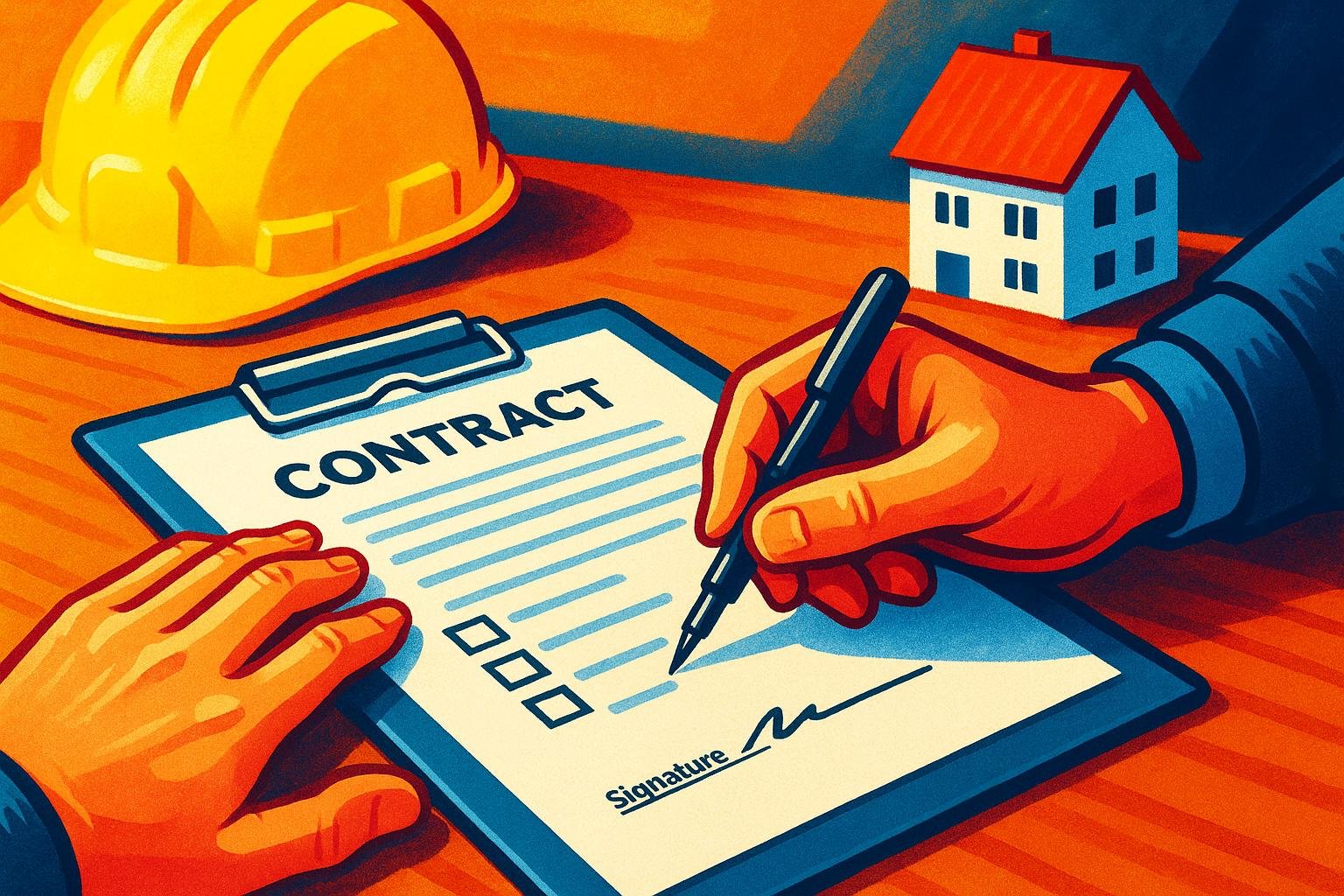
Boards and managers should adopt disciplined procurement practices — standardised, risk‑based vetting, clear RFPs, best‑value selection, pre‑project walkthroughs and prompt payment — to protect budgets, resident satisfaction and property values. Industry bodies also recommend documenting procedures, centralising communication and monitoring performance to reduce disputes and demonstrate due diligence.

In community association management, contractors and suppliers are far more than interchangeable vendors: they are operational partners whose competence, reliability and behaviour directly affect budgets, resident satisfaction and property values. A recent piece published by a property‑management firm argues that strong vendor relationships are the result of “clear communication, thoughtful preparation and mutual respect.” That claim is echoed across industry guidance, which fleshes out what good practice looks like in procurement, risk management and project delivery.
Build a rigorous, consistent vetting process
The first line of defence is a standardised, documented approach to screening candidates. The management firm’s article recommends evaluating relevant experience, licences and certifications, background checks, references and tailored board questions. Industry bodies add further detail: Community Associations Institute advises associations to verify licences, insurance and local reputation, obtain multiple competitive bids and insist on documentation of licences and permits before signing contracts. Making the vetting process consistent—so every bidder is judged against the same criteria—reduces disputes and increases transparency.
Treat screening as risk‑based, not one‑size‑fits‑all
Not every contractor presents the same level of access or risk. Security and background‑screening specialists recommend tailoring checks to the engagement: deeper ten‑year criminal and civil checks and annual re‑screening for long‑term contractors, more limited checks for short‑term vendors, and minimal identity verification for brief site visits. Providers should disclose their own screening practices and associations should record their procedures, so boards can demonstrate due diligence if problems arise.
Write RFPs that make good bids possible
A well‑crafted Request for Proposal is central to fair procurement. Financial and procurement guides stress that an RFP should spell out scope, deliverables, timelines, evaluation criteria and contractual terms so bidders can produce accurate, comparable proposals. Poorly drafted RFPs tend to attract unsuitable bids and create ambiguity during delivery; clear RFPs reduce that risk and help boards evaluate technical and financial trade‑offs objectively.
Choose best value, not simply the lowest price
The management company recommends selecting the “right bid” rather than the lowest one. Procurement experts advise formalising that preference through best‑value selection: define evaluation criteria, limit the weight of price, and use a structured scoring model that factors qualifications, past performance, schedule and risk mitigation. Choosing solely on price often produces hidden lifecycle costs—rework, delays and change orders—that ultimately erode budgets and resident confidence.
Prepare the worksite and align expectations before work starts
Preparation matters. Pre‑construction or pre‑project meetings and site walkthroughs align stakeholders on scope, safety, access, logistics and communication channels, and allow early identification of constraints and long‑lead items. Industry guidance suggests setting an agenda, sharing key documents, establishing a single chain of command and walking the site with contractors before mobilisation. These steps reduce misunderstandings, minimise rework and set the stage for smoother execution.
Keep communication tight and responsibilities clear
A recurring practical point is the danger of “too many voices.” The management firm and other advisers recommend centralising communication through a single point of contact or project manager, and requiring regular progress updates. Clear escalation paths and documented change‑control procedures help prevent scope‑creep and protect budgets.
Pay on time and reward good partners
Prompt, predictable payment is a basic but powerful trust‑building measure. Financial advisers note that on‑time payments improve vendor cash flow, reduce disputes, avoid service interruptions and can secure early‑payment discounts or prioritisation during supply shortages. Referrals and repeat business for reliable contractors reinforce goodwill and build a stable supply base for future works.
Governance: monitor performance and document outcomes
Boards and managers should monitor performance during the contract term, retain records of inspections, change orders and communications, and ensure contracts include remedies for unsatisfactory work. Treat contracting as a governance tool intended to protect budgets and maintain property values: documented oversight demonstrates prudence to owners and provides recourse if standards slip.
Practical checklist for boards and managers
– Standardise vetting: licences, insurance, references and documented review criteria.
– Tailor background checks by risk and duration; require supplier transparency on screening.
– Issue clear RFPs with evaluation criteria and submission instructions.
– Use best‑value selection with a transparent scoring matrix.
– Hold a pre‑project meeting and site walkthrough; establish single point of contact.
– Document contract terms, permits and inspection schedules; monitor performance.
– Pay promptly and consider referrals and performance incentives.
Strong vendor relationships do not happen by accident. As the management firm’s report suggests, they result from disciplined procurement, clear documentation and reciprocal professionalism. When those elements are combined with proportionate risk controls, objective evaluation and timely payment, associations are better placed to secure quality work, protect budgets and preserve the amenity and value of the communities they serve.
Source: Noah Wire Services

