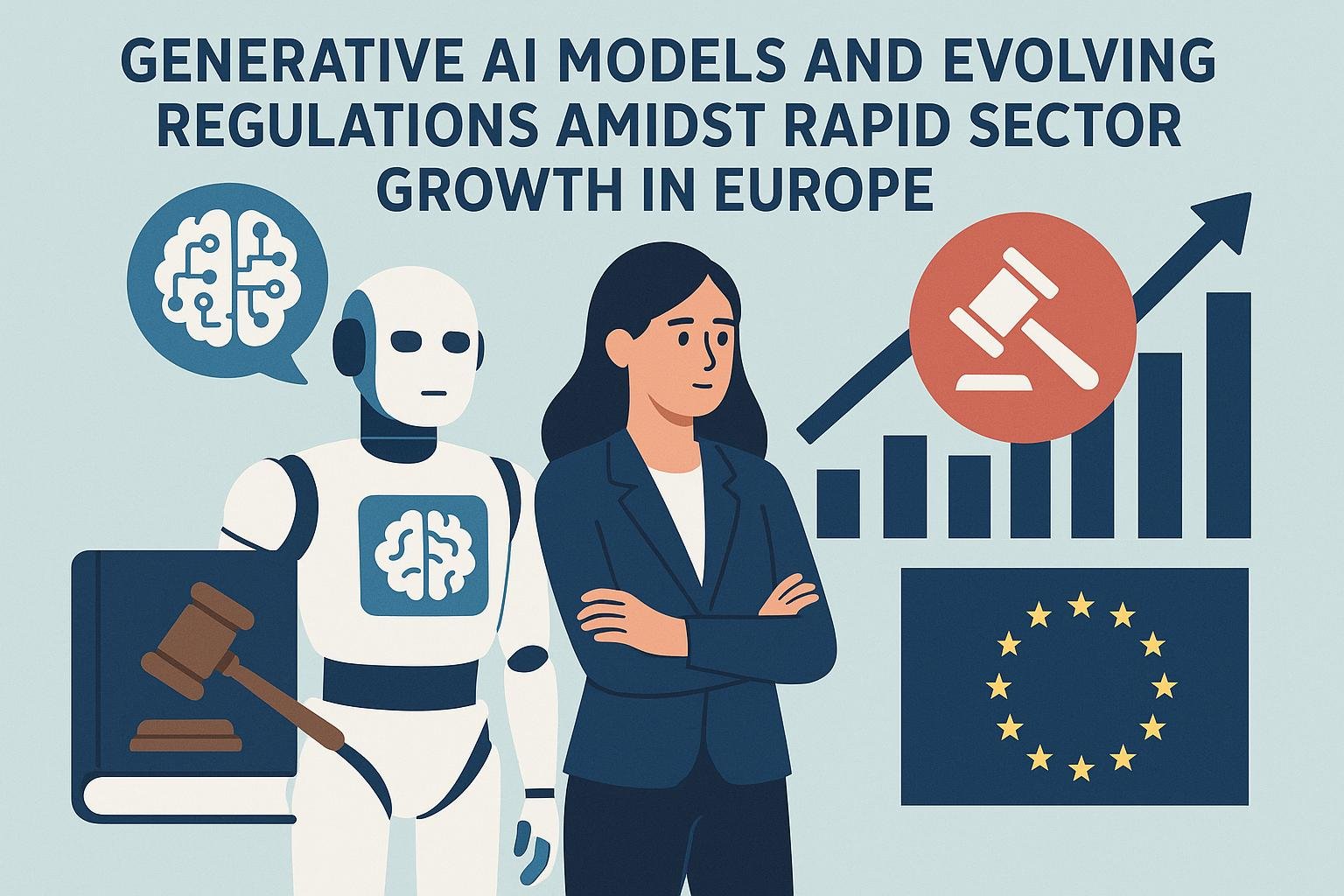
European expenditure on artificial intelligence in the coming years is set to accelerate sharply, with IDC forecasting the region will spend $290 billion on AI by 2029. According to IDC’s Worldwide AI and Generative AI Spending Guide, that figure represents a compound annual growth rate of 33.7% between 2025 and 2029, driven by substantial commitments from banking, retail and software and information services, and a rapidly expanding appetite for AI in healthcare.
Industry sp...
Continue Reading This Article
Enjoy this article as well as all of our content, including reports, news, tips and more.
By registering or signing into your SRM Today account, you agree to SRM Today's Terms of Use and consent to the processing of your personal information as described in our Privacy Policy.
ending patterns point to software as the dominant force in the market. IDC expects software to constitute the largest slice of AI budgets in 2026 and to be the fastest-growing technology segment through 2029, as platforms and agentic systems become central to enterprise deployments. The research house anticipates generative AI offerings will make up almost 54% of the market by the end of the forecast period, reflecting a shift toward models that can create and automate at scale.
Financial services remain the single largest vertical, with banking accounting for roughly 12.5% of AI spending in 2026. Banks are expanding use cases from fraud detection and threat intelligence to contact-centre automation and multi-agent workflows, while also prioritising FinOps, sovereign cloud options and governance frameworks. Retail follows closely, allocating budgets to digital commerce, personalisation, pricing optimisation and supply-chain efficiency. Healthcare is the fastest-growing industry segment, IDC projects, as clinical workflow automation and resource optimisation gain traction across major European markets. Media and entertainment, professional services, utilities and life sciences are also posting above-average growth, supported by generative capabilities for content creation and audience targeting.
“Despite geopolitical tensions and supply chain disruptions, the AI market remains dynamic and is rapidly transitioning from experimental to operational and strategic for enterprises,” said Carla La Croce, Research Manager for Data and Analytics at IDC. “Organizations are no longer treating AI as a standalone tool , they are repositioning it as a strategic asset to transform their business models. The emergence of agentic AI tools has made this transformation more urgent and more profound than many anticipated,” she added.
Market momentum is being reinforced by measurable returns on investment in cost reduction, improved customer experience and enhanced risk controls, prompting firms to reallocate funds from traditional IT toward AI initiatives. IDC’s data shows AI platforms within the software category expanding particularly rapidly, as organisations shift from pilots to mission-critical, multi-agent systems and cloud-native development.
External research underlines this broader dynamic. Gartner projects Europe’s overall IT spending will rise in 2026, noting that GenAI model expenditure could surge by more than three quarters that year, while the consultancy estimates global AI spending will reach $2.52 trillion in 2026 with AI infrastructure contributing significantly to that rise. IDC itself has recorded record levels of investment in AI infrastructure, reporting $86 billion spent globally in Q3 2025 and signalling a sustained build-out of the foundations needed to host agentic workloads.
Yet obstacles remain that could alter the pace and geography of adoption. IDC warns that regulatory fragmentation tied to the EU AI Act may influence where and how companies invest, creating uneven compliance burdens across member states. Talent shortages in AI skills and mounting pressure to control cloud expenditure are additional constraints that industry observers say will shape vendor strategies and customer demand. Those pressures are also driving uptake of governance, compliance and assurance services, particularly within regulated sectors.
Vendors and service providers are responding by offering platform and infrastructure services tailored to enterprise needs, while buyers increasingly demand assurances around risk, cost-efficiency and sovereignty. According to IDC, these market forces are likely to sustain double-digit growth in European AI spend through 2029, even as firms weigh regulatory, economic and supply-chain uncertainties.
The combined picture presented by IDC and corroborating industry analysis suggests Europe is moving beyond experimentation: AI is being embedded into core business models and operations, but the trajectory of that transition will be shaped by regulatory choices, skills availability and the economics of cloud and infrastructure.
Source: Noah Wire Services