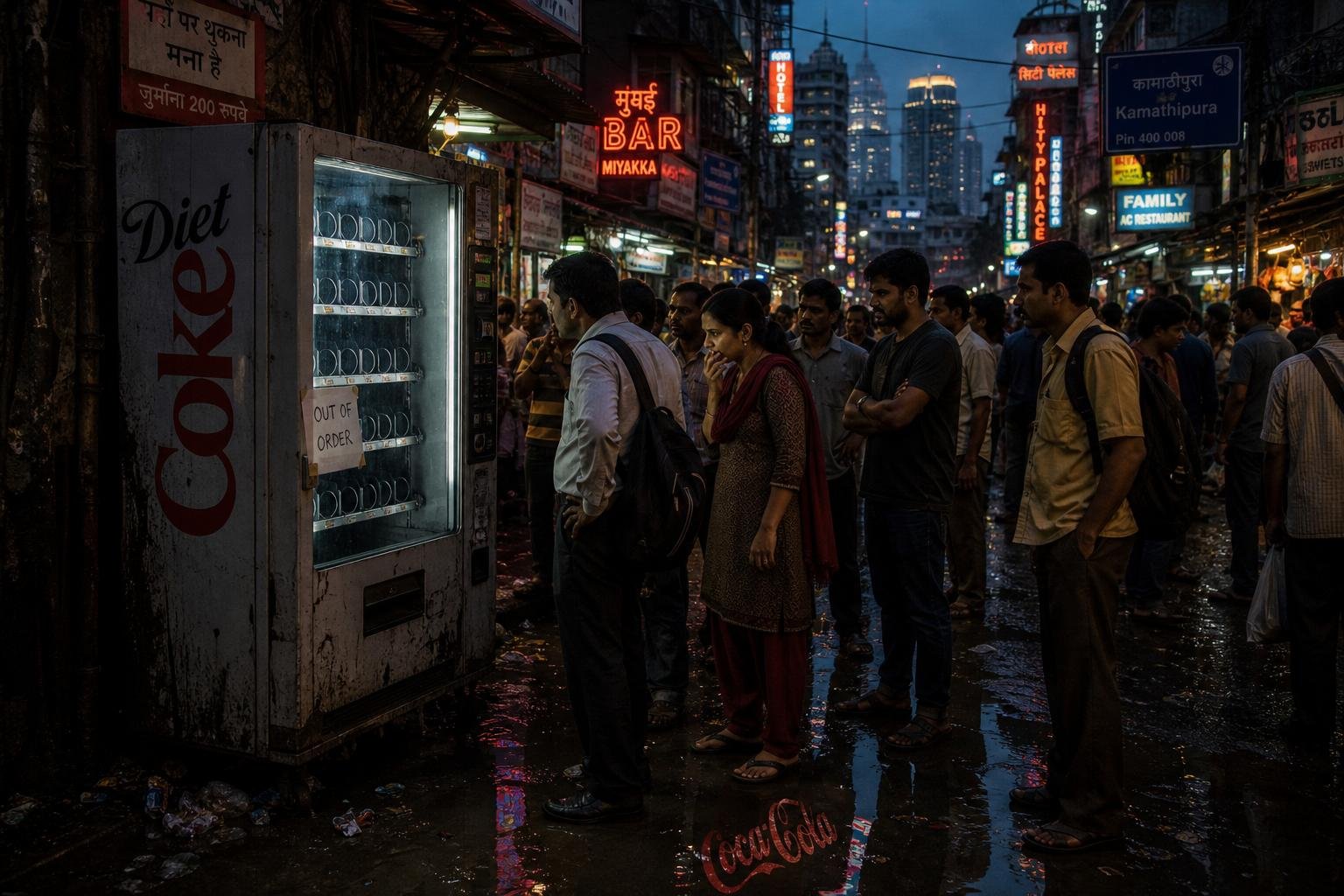
The shortage of Diet Coke in India is a small consumer inconvenience with a much larger lesson about how far-flung supply chains can unravel when geopolitics intrude.
A Tamil adage about a disturbance in one tree showing up in another captures the point neatly: shocks rarely stay where they begin. In this case, a disruption in the Strait of Hormuz has reportedly squeezed supplies of aluminium cans, slowing production of canned drinks in India and leaving some shelves thinly sto...
Continue Reading This Article
Enjoy this article as well as all of our content, including reports, news, tips and more.
By registering or signing into your SRM Today account, you agree to SRM Today's Terms of Use and consent to the processing of your personal information as described in our Privacy Policy.
cked.
The problem is especially visible in Diet Coke, which is sold only in cans in India. Several alcohol and soft-drink brands that depend on imported can-grade aluminium are facing similar pressure, according to reports in the Indian press. Consumers in cities including Mumbai, Bengaluru and Ahmedabad have noticed the effects most clearly.
The episode follows a familiar pattern. In 2024, shipping delays linked to Red Sea unrest were reported to have disrupted automotive production in Europe, including at Tesla and Volvo facilities. In 2022, the Black Sea war affected supplies of semiconductor-grade neon, a gas used in chipmaking. And in 2021, the blockage of the Suez Canal showed how a single vessel could interrupt global trade far beyond the waterway itself.
History suggests that such shocks often accelerate adaptation. The fall of Constantinople disrupted older trade links between Asia and Europe and helped drive the search for alternative sea routes to the East. Centuries later, Napoleon’s blockade of British trade helped trigger sugar shortages in Europe, which in turn encouraged the development of beet sugar as a substitute.
For companies, the more immediate lesson is that resilience is built before a crisis, not during one. Toyota’s response to the 2011 earthquake in Japan is often cited as a benchmark. The carmaker mapped thousands of critical components and their supply bottlenecks, and it kept buffer stocks for parts that could not be easily replaced, a strategy that helped it cope better than rivals during the Covid-era shutdowns.
Nokia’s handling of a fire at a Philips plant in the United States in 2000 is another well-known example. When a supply manager spotted falling inventory, the company moved quickly to track critical parts daily, shifted to alternative suppliers in the US and Japan, and expanded sourcing from Philips facilities elsewhere. Ericsson, by contrast, reacted too slowly and lost ground in product launches and revenue.
The broader corporate response to disruption now includes supply-base diversification, vertical integration, route flexibility, product redesign and more sophisticated end-to-end mapping of risk. Coca-Cola, according to reports, is leaning on what it calls format flexibility, temporarily shifting some demand from cans to glass bottles to avoid a sharper summer shortage.
That matters because shortages are not just an operations problem; they can become a brand problem. If a product cannot be replaced, made, packed or shipped another way, and customers will notice the absence, a logistics issue quickly turns into a reputational one.
The Diet Coke episode is a reminder that in a tightly connected world, a blockade far from a supermarket shelf can still decide what ends up in a shopper’s hand.
Source: Noah Wire Services