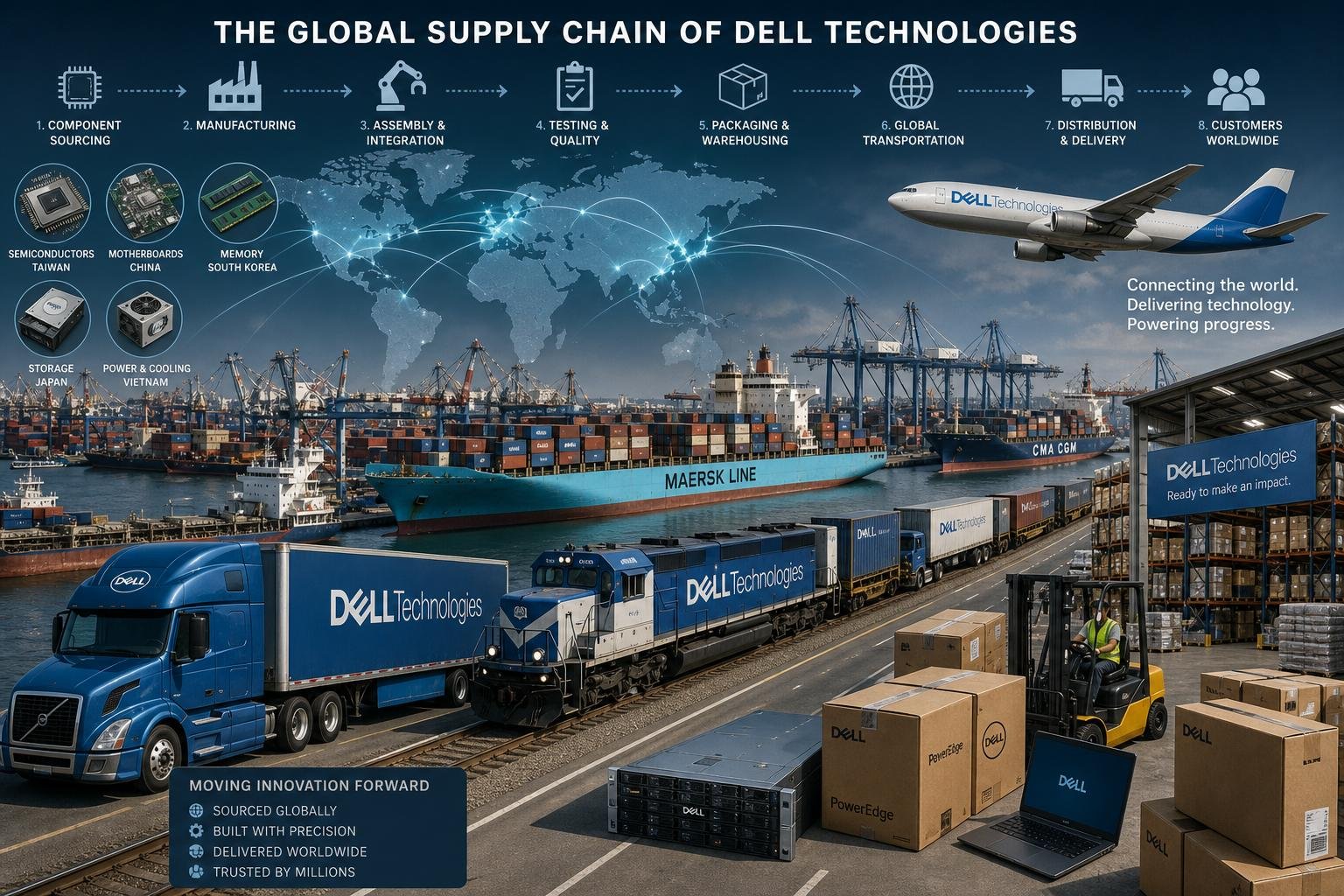
Dell Technologies’ reputation for getting hardware out the door when rivals cannot is emerging as a commercial weapon at exactly the moment enterprise buyers are most sensitive to delays, price swings and component shortages.
At Dell Technologies World in Las Vegas, channel partners said the company’s long-cultivated supply chain discipline is helping them win business from competitors as the market wrestles with a memory crunch and broader inventory bottlenecks. Bob Olwig,...
Continue Reading This Article
Enjoy this article as well as all of our content, including reports, news, tips and more.
By registering or signing into your SRM Today account, you agree to SRM Today's Terms of Use and consent to the processing of your personal information as described in our Privacy Policy.
executive vice president of global partner alliances at World Wide Technology, said Dell founder Michael Dell personally intervened in one large customer discussion to reassure buyers that orders could be filled.
That kind of involvement, partners say, reflects a broader advantage Dell has spent decades building. The company’s direct model, scale across PCs, servers, storage and AI infrastructure, and long-standing relationships with component suppliers have created an ability to promise supply when others cannot. In a market where customers are worried about lead times, that reliability is becoming a sales pitch in its own right.
Dell executives have been making the same case to investors. Vice chairman and chief operating officer Jeff Clarke has said the company’s supply chain is positioned to help it take share in PCs, servers and storage even as memory prices rise sharply. He pointed to Dell’s performance during the last major industry shortage, when the company gained ground across the board, particularly in PCs.
The numbers suggest the strategy is working. Dell reported record quarterly revenue of $33.4 billion in its fiscal fourth quarter ended 30 January, and in late May the company raised its annual revenue and profit outlook again as demand for AI-optimised servers accelerated. Dell said AI server sales could reach about $60 billion in fiscal 2027, up from an earlier forecast of $50 billion, while its infrastructure division posted a steep jump in sales. The company also said its first-quarter AI server revenue surged, underpinning a rally in its shares.
Partners say that momentum is filtering through to them. Stephen Ayoub, executive vice chairman of Ahead, said Dell server sales at the solution provider rose 63% in the first quarter from a year earlier, helped by product availability and comparatively stable pricing. He said many customers are choosing to buy inventory early and stage deployment over months, allowing Ahead to manage delivery across multiple geographies.
Holland Barry, field chief technology officer at DXC, said Dell’s supply position has helped the integrator rescue deals that were stalled with rival vendors. In some cases, he said, Dell’s willingness to hold pricing for longer than competitors has given customers time to get internal approvals and complete large purchases without losing momentum.
Jason Kranitz, president of Integrated Media Technologies, said Dell is the one vendor that has materially reduced the pain of lead times for his customers. He expects the Dell side of IMT’s business to grow by about 50% this year, with AI adoption and surging unstructured data only adding to demand.
The broader backdrop is favourable as well. ITPro reported that Dell has leaned on supply chain optimisation and selective price increases to cope with the memory shortage, while its infrastructure unit has seen sharply higher demand from AI customers. Separately, reporting around a large Pentagon software contract highlighted Dell’s reach beyond hardware into enterprise procurement and public-sector services, another sign of how broad the company’s relationships have become.
For Dell’s partners, the message is straightforward: in a year when buyers are anxious about getting the right equipment at the right time, supply chain strength is no longer just an operational detail. It is a competitive edge.
Source: Noah Wire Services