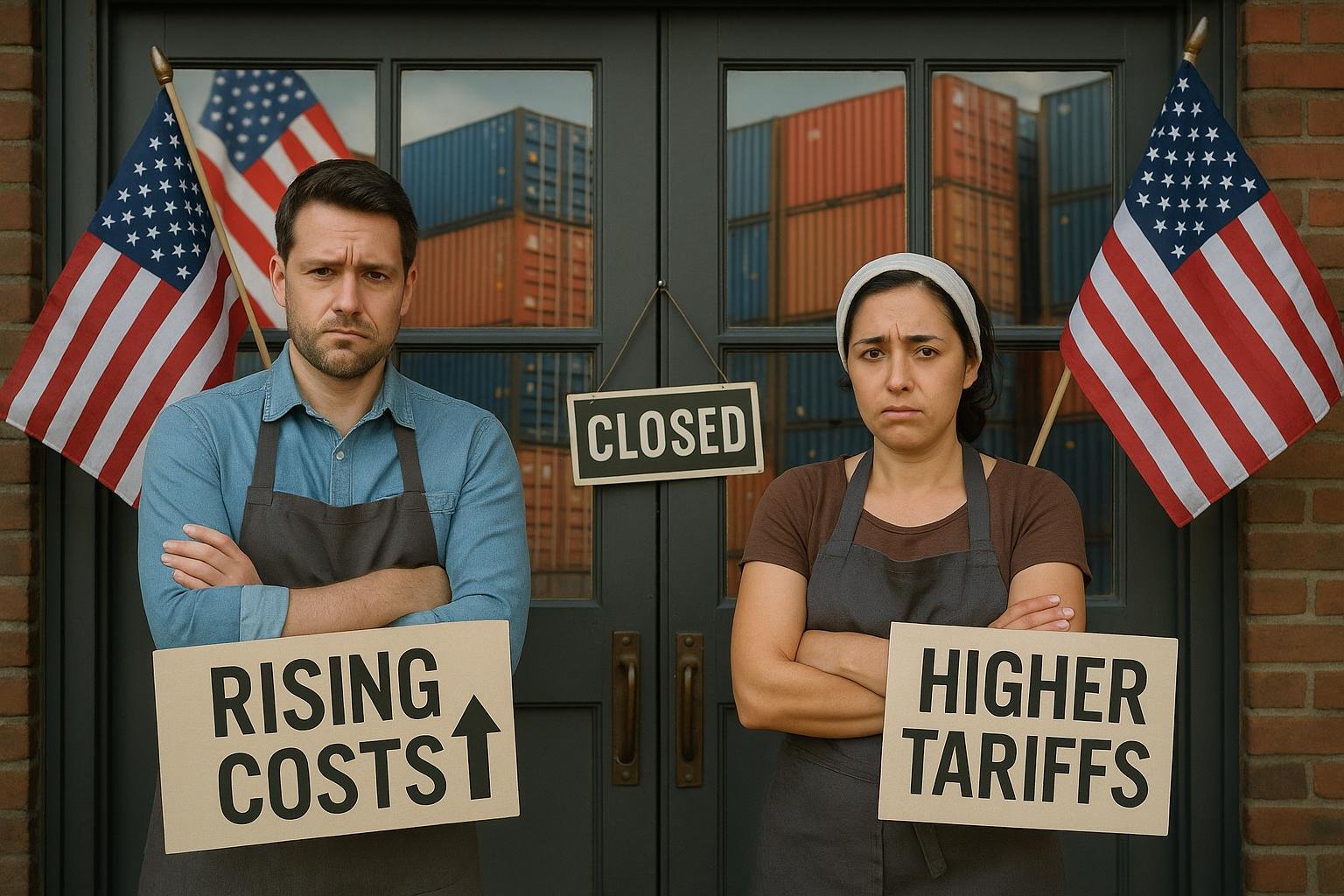
A landmark Supreme Court decision challenging import tariffs offers a glimmer of hope for small retailers like Bella Vita, battered by rising costs and uncertain trade measures, but challenges remain as legal and political manoeuvres continue to influence the economic climate.
Inside Bella Vita, a small Arlington shop that specialises in imported olive oils and vinegars, proprietor Julie Seely is fighting to keep her business afloat after months of sharply higher import...
Continue Reading This Article
Enjoy this article as well as all of our content, including reports, news, tips and more.
By registering or signing into your SRM Today account, you agree to SRM Today's Terms of Use and consent to the processing of your personal information as described in our Privacy Policy.
costs and sagging sales.
“Ours comes from all over the world,” Seely said as she pointed to shelves of bottles brought in from Europe and beyond. Many of the shop’s other merchandise items were hit with a 25% tariff, followed by another 10% increase in January, forcing Seely to raise prices. Footfall and receipts fell; she dismissed her staff and now runs the store alone while she tries to recover. “It’s been very rough,” she said. Asked what is at stake, she replied bluntly: “Shutting down. Not being able to continue.”
The business strain faced by Bella Vita mirrors a broader economic toll from the trade measures. According to the Yale Program on Financial Stability’s Budget Lab, tariffs introduced during the trade disputes have raised costs for American households by roughly $1,600 a year on average, a drain that is felt especially hard by small retailers dependent on foreign suppliers.
Last week’s decision by the US Supreme Court struck down the bulk of former president Donald Trump’s sweeping tariff programme, ruling 6-3 that he had exceeded his authority under the International Emergency Economic Powers Act by using emergency powers to impose broad import taxes. Chief Justice John Roberts wrote that such tariffs amount to a form of taxation that the Constitution assigns to Congress. The judgment, reported by the Associated Press, immediately nullified most of the measures introduced under that legal theory.
The ruling prompted an unusually vehement response from Trump, who denounced the court and its conservative appointees. “How ridiculous is that? I’m allowed to embargo them … but if I want to charge them $10, I can’t do that,” he said during a public statement. The president later issued an executive order invoking a different statute to impose a 10% global tariff, a move described in press accounts as an attempt to sidestep the court’s limitation on emergency powers. On February 21, 2026, he announced plans to lift that proposed global tariff to 15%, according to reporting by the Associated Press.
For small merchants such as Seely, legal and political manoeuvres translate slowly, if at all, into immediate relief. The Supreme Court’s decision may reduce the legal basis for some tariffs, but subsequent executive actions and proposals to adjust tariff rates continue to create uncertainty for importers. Industry sources and legal analysts have noted that while court rulings can undercut one statutory route for imposing duties, presidents have other levers that can be used to alter trade barriers unless Congress acts.
Seely said the court’s decision brought cautious optimism. “We were excited to hear that,” she said, adding that she hopes conditions will improve going forward. Until those improvements materialise in lower supplier prices or renewed customer demand, Bella Vita’s future, and that of many similarly exposed small businesses, will remain precarious.
Source: Noah Wire Services