


**Huntsville**: Sales of U.S. military hardware reached $117 billion in fiscal year 2024, a 45% rise from FY23, highlighted at the AUSA Global Force Symposium. Ongoing geopolitical tensions and new proposals aim to streamline sales processes amidst increasing global defence collaboration.
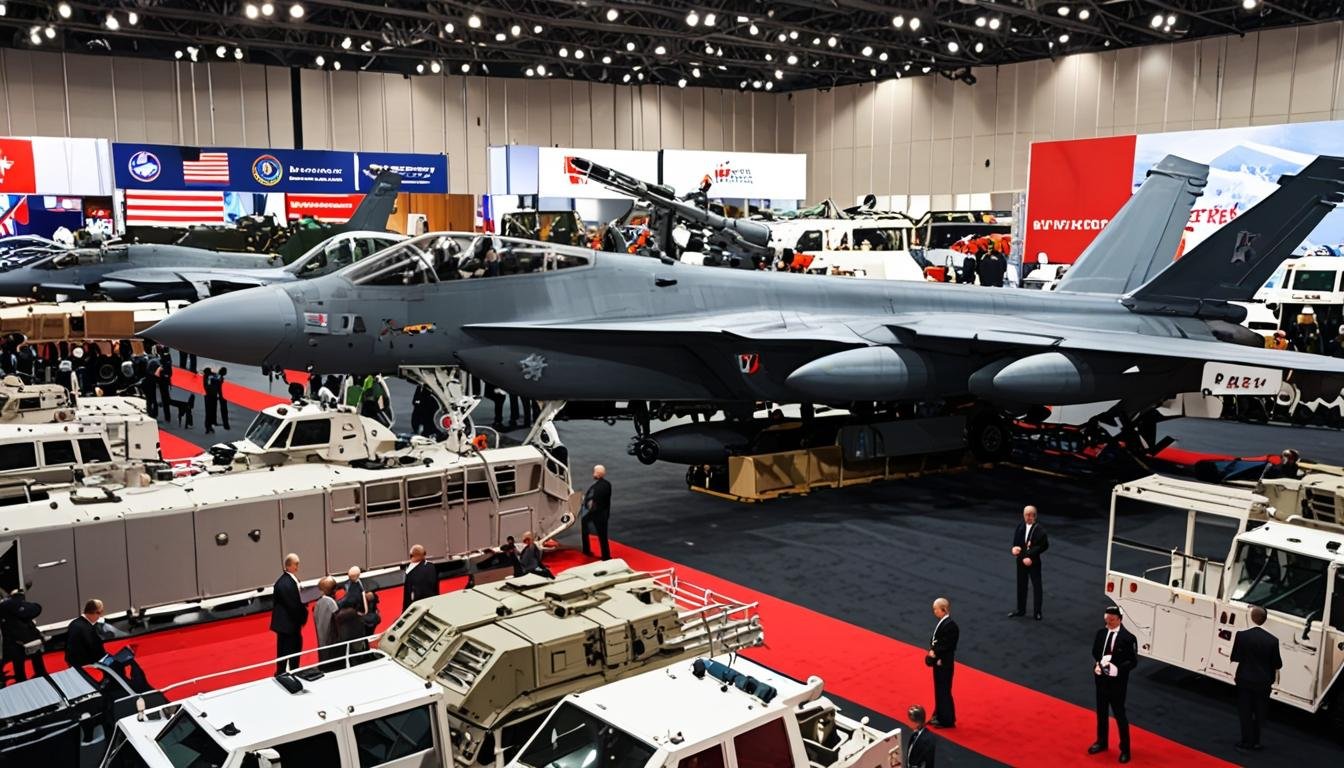
Sales of U.S. military hardware to allied nations reached an unprecedented level during the last fiscal year, as highlighted at the 2025 AUSA Global Force Symposium and Exposition held at the Von Braun Center on Tuesday. This notable increase in foreign military sales marks a significant moment in the context of global security collaboration and defence partnerships.
According to the U.S. State Department, the total value of transferred defence articles, services, and security cooperation activities for fiscal year 2024 amounted to $117 billion. This figure reflects a remarkable 45% increase compared to the previous year, FY23, and represents the highest annual level of military sales and assistance ever recorded for U.S. allies and partners.

The symposium, which runs through Thursday, was launched with discussions focusing on the underlying factors contributing to the surge in military sales. Notable among these factors are ongoing geopolitical tensions such as the war in Ukraine, which has heightened security concerns for NATO nations, coupled with the threatening behaviour exhibited by Iran and its proxies, as well as recent conflicts in Gaza. The presentation featured insights from Brig. Gen. Allen Pepper, a seasoned foreign affairs officer and the commanding general of the U.S. Army Security Assistance Command (USASAC). He observed, “To borrow a term from the first half of last century, America is once again playing its role as the primary arsenal of democracy,” underlining the pivotal role the U.S. is perceived to play in global defence.
During the symposium, Brig. Gen. Pepper and retired Brig. Gen. Chris Tucker, who is also the vice president for International Business Development at L3Harris Technologies, co-presented the initial Warriors Corner briefing. They discussed proposals aimed at streamlining foreign military sales (FMS) processes, suggesting that collaboration between the Army and defence industries could enhance efficiency. Tucker emphasised the potential of implementing Indefinite Delivery, Indefinite Quantity (IDIQ) contracts, stating, “An IDIQ offers flexibility in government procurement, simplifying the process and reducing the time and effort required for each individual order.”
Despite the ongoing reforms designed to improve foreign military sales procedures, Pepper reaffirmed the commitment of USASAC to work closely with various stakeholders within the Army Security Assistance Enterprise to effectively meet the growing demands of U.S. military partners around the globe. He noted, “The United States remains the partner of choice for other nations looking for reliable international partners, and we will not overlook our obligation to provide the very best, the most timely and transparent customer service we have to offer.”
The overall theme for this year’s symposium is “Driving Continuous Transformation of Ready Combat Formations,” with presentations and panel discussions featuring senior leaders from both military and industry backgrounds. These gatherings aim to address crucial topics in research and development, procurement, force sustainment, and strategic partnerships within the defence sector.
The symposium also offers a platform for attendees to engage with live-streamed presentations, accessible through USASAC’s Facebook page and the Defence Visual Information Distribution Service hub.
Source: Noah Wire Services

