


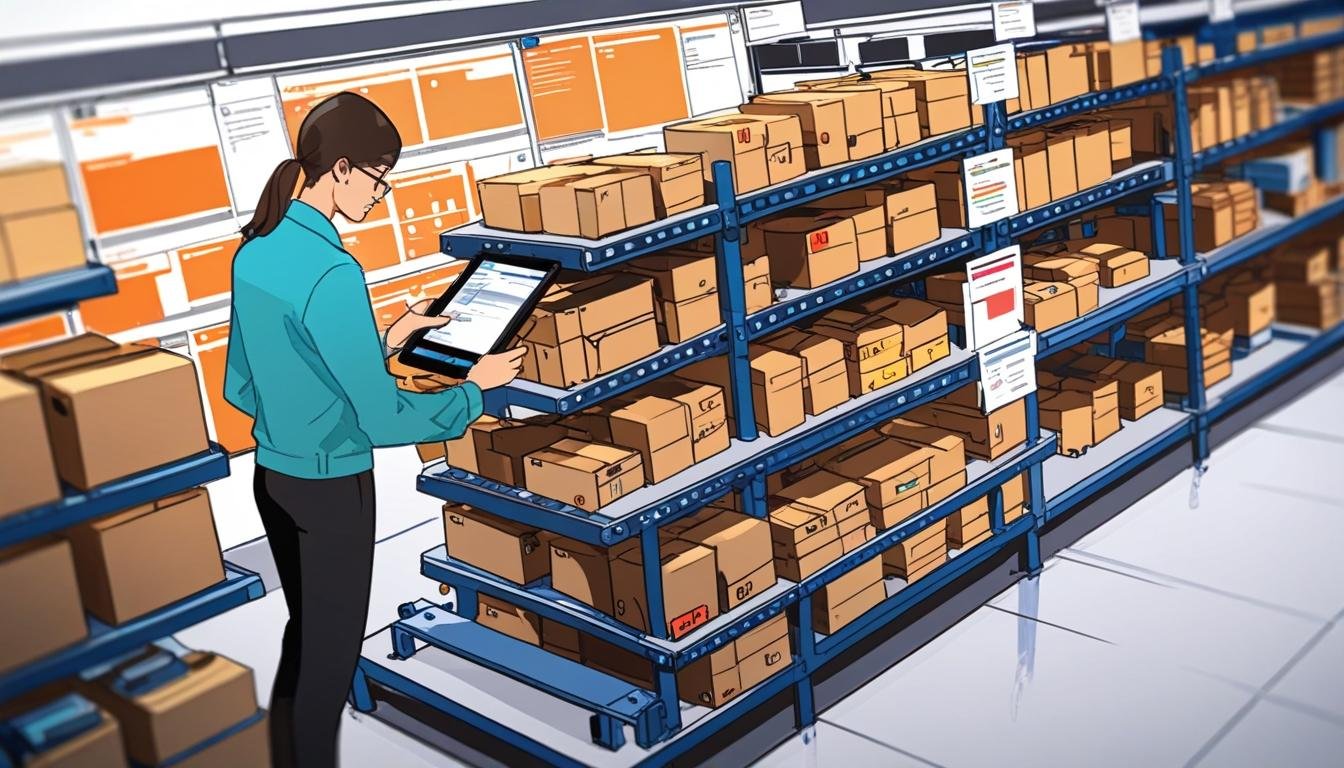
**London**: The complexity of integrating into enterprise procurement systems is explored, highlighting the significance of Punchout technologies. By enhancing visibility and streamlining transactions, suppliers can align with enterprise efficiencies and gain preferred vendor status in a competitive market.
Enterprise companies are investing substantial amounts annually in the procurement process, managing thousands of purchases across global teams. The Sales Layer Blog outlines the complexity of entering this market, highlighting that successful integration into enterprise procurement systems involves more than competitive pricing; being a preferred supplier requires effective integration into the Procure-to-Pay (P2P) systems that these organisations rely on for policy enforcement, budget control, and streamlined purchasing.
Large organisations commonly utilise P2P platforms, such as SAP Ariba, Coupa, Oracle Procurement Cloud, and Jaggaer, which centralise purchasing tasks. These systems offer several benefits, including enhanced efficiency through automation, real-time pricing for accurate budgeting, and compliance enforcement by procurement teams to uphold policies and approvals.

In order to establish visibility within these systems, suppliers must ensure that their products are accessible through them. The integration can be implemented using various methods, including hosted catalogs, Punchout Level 1, and Punchout Level 2 technologies.
Hosted Catalogs
The most basic approach is the use of hosted catalogs, where suppliers provide static files—like Excel or CIF files—uploaded to buyers’ P2P systems. However, this method presents several limitations:
- Data Freshness: Information can become outdated very quickly as pricing and availability might not update in real time.
- Lack of Content: These catalogs typically display only SKUs, descriptions, and basic pricing, excluding rich media that could aid buyer decision-making.
- Manual Updates: Suppliers must frequently send updated files to buyers, leading to potential delays and increased risk of errors.
For instance, a healthcare supplier updating prices due to market changes may find that hospital purchasing teams using older hosted catalogs do not see the new prices until the next scheduled update, which can lead to budget mismatches and delays in approvals.
Punchout Level 1
With Punchout Level 1, buyers can access a supplier’s e-commerce store directly from their procurement system. This method allows buyers to select items that are then transferred back as purchase requests to their P2P system. While this enhances catalog accuracy, it still requires buyers to leave their familiar procurement interfaces to browse supplier websites. Consequently, this can disrupt their workflow, complicating supplier comparisons and heightening the chances of pricing discrepancies if the pricing displayed does not align with what was approved in the procurement system.
Punchout Level 2
Punchout Level 2 represents an advanced integration where supplier catalogs are fully incorporated within the buyer’s P2P system. This method facilitates a seamless experience, enabling real-time product data to be displayed directly in the procurement interface. The benefits of Level 2 Punchout include:
- Enhanced Product Findability: Buyers can search for supplier products within their P2P system, allowing for seamless comparison without navigating external websites.
- Accurate Pricing: The integration of pricing agreements into the system ensures that buyers see up-to-date contract terms, thereby minimising confusion.
- Comprehensive Content Availability: Buyers have access to rich content, such as images and specifications, facilitating more informed purchasing decisions.
- Streamlined Workflow: All interactions occur within the P2P system, expediting order placements while maintaining adherence to company policies.
A global manufacturing company, for example, might utilise Level 2 Punchout integration with its key suppliers, enabling employees to effortlessly search for pre-approved items directly within the P2P system, fostering better compliance with internal purchasing regulations.
Significance of Catalog Coverage
Achieving high catalog coverage, which reflects the percentage of spending done through approved procurement channels, is a priority for enterprises. Increased coverage leads to enhanced compliance, cost control, and overall procurement efficiency. For suppliers, effectively integrating their offerings into procurement systems is crucial for gaining preferred vendor status.
The evolution of procurement systems emphasises the need for suppliers to minimise friction in the purchasing process. Through advanced eProcurement solutions such as Level 2 PunchOut, suppliers can enhance their visibility and streamline transactions, aligning with enterprise priorities of efficiency, compliance, and user-friendliness.
In summary, understanding the intricate workings of enterprise procurement systems and the role of Punchout integration can significantly benefit suppliers in meeting the demands of large organisations. The innovative Punchout software by Sales Layer allows for the connection of supplier catalogs to enterprise procurement systems, ensuring real-time data accessibility and accurate pricing, ultimately enhancing procurement efficiency and consolidation of buyer-supplier relationships within an increasingly competitive market.
Source: Noah Wire Services

