


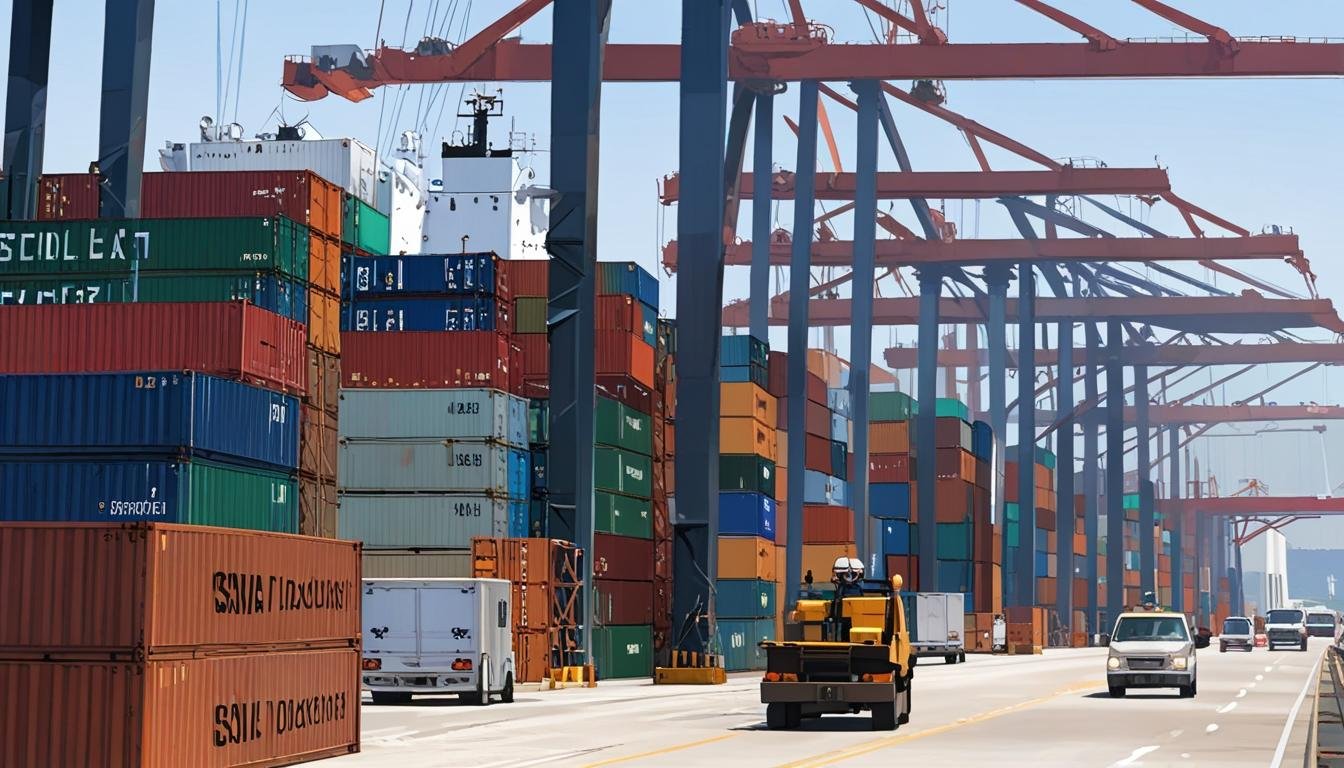
As U.S. tariffs on key imports, especially from China, continue to rise, a profound transformation is taking place within the national freight landscape. Shippers are increasingly moving away from established supply chains and are now realigning their logistics to adapt to the new tariff reality. This shift involves not only rerouting freight and accelerating imports but also securing bonded warehouse space in a market that is becoming increasingly crowded.
The strategy of frontloading shipments to escape impending tariffs, while not novel, has escalated to unprecedented levels. This urgent pivot is disrupting standard logistics operations, forcing shippers to bypass traditional distribution routes as they rush to bring in goods and defer customs duties. Once these goods arrive in the U.S., the necessity for warehousing becomes paramount. However, with bonded warehousing in short supply, many importers find themselves having to store goods far from their intended destinations, resorting even to locations outside the U.S., such as Canada.

The demand for bonded warehousing, which allows for the deferral of duty payments until goods are formally entered into the U.S. market, has skyrocketed. However, the supply is strained, with many industrial real estate providers noting that occupancy rates have surged above 90%, particularly among third-party logistics (3PL) companies. These firms are now absorbing an influx of unexpected cargo due to their extensive warehousing networks. Reports indicate that inquiries for space have surged sharply in recent months, underscoring the urgency and scale of the current logistics crisis.
Notably, the U.S. trucking spot market exhibits marked activity increases, especially from major port cities, where load volumes are rising significantly compared to previous years. However, despite this surge in shipping activity, spot rates have largely remained stable. This suggests that while demand is on the rise in certain lanes, the overall trucking capacity is still sufficient to accommodate increased volume without significant price fluctuations.
Nonetheless, this volatility brings with it considerable costs. Shippers are grappling with increased expenses stemming from longer travel distances, multiple warehousing stops, and extensive delays at ports or storage facilities. As the complexity of rerouting and repositioning inventory deepens, inefficiencies proliferate, driving home the need for strategic reevaluation of storage allocations and logistics contracts.
In these tumultuous waters, logistics providers with bonded capabilities and flexible warehousing solutions emerge as critical allies. Companies like PNG Logistics are positioning themselves to support shippers navigating these challenges by offering additional services such as drayage coordination and complete logistical support. They enable clients to manage complex freight flows efficiently while ensuring compliance with evolving customs regulations.
PNG Logistics also plays a crucial role in helping clients unfamiliar with bonded procedures understand the nuances of Customs and Border Protection (CBP) regulations, which can be particularly daunting for smaller firms newly impacted by recent tariff changes. This tailored consultation is viewed as essential in navigating the complexities of tariff implications on supply chains.
Compounding these issues, broader economic indicators remain concerning. The substantial tariffs, particularly the 145% levies introduced under the previous U.S. administration, have led to significant downturns in container volume at shipping hubs like Los Angeles and Seattle. This drop has not only affected dockworkers through reduced hours but has begun to ripple through the entire logistics sector, impacting trucking and rail transport operations and casting a shadow on local economies.
This tightening of trade routes has also seen exporters in China start preparing for a potential easing of tariffs, spurred by ongoing trade talks. American inventories, especially for consumer goods such as toys and electronics, are declining, prompting retailers to scramble for restocking options even amidst heightened tariffs. The dynamics of this situation illustrate the complex balance shippers and exporters must navigate, as evidenced by the reported fall in cargo volumes due to prolonged tariffs and potential economic recessions.
As the logistical landscape undergoes these significant changes, strategic flexibility is essential. Companies that can swiftly adapt to fluctuating regulations, secure necessary storage capacities, and reallocate resources efficiently will likely emerge as the winners in this reshaped trade environment. For importers and shippers grappling with a new era of logistics marked by uncertainty and rapid change, trusted partners with robust support systems will be indispensable in maintaining a competitive edge.
As international trade continues to be influenced by evolving economic and political decisions, companies like PNG Logistics are not just adapting but are prepared to leverage their expertise and resources to help clients thrive in this new reality of freight logistics. Agility and preparedness are no longer optional; they are now critical elements for success in a market fraught with challenges.
Reference Map
- Paragraphs 1, 2, 3, 4, 6, 7, 8, 9
- Paragraph 5
- Paragraph 5
- Paragraph 4
- Paragraph 5
- Paragraph 6
- Paragraph 1
Source: Noah Wire Services

