


**Washington**: Taiwan Semiconductor Manufacturing Company has unveiled a $100 billion investment plan in the US, aiming to enhance domestic chip production and support economic growth while addressing national security concerns. This expansion marks the largest foreign investment in US history and could create tens of thousands of jobs.
Taiwan Semiconductor Manufacturing Company (TSMC) has announced an ambitious plan to invest $100 billion in the United States, highlighting a significant development in the global semiconductor landscape. The announcement was made by TSMC’s CEO, CC Wei, during a meeting with former President Donald Trump at the White House. This investment is poised to bolster domestic chip production, a matter Trump described as crucial for national security.
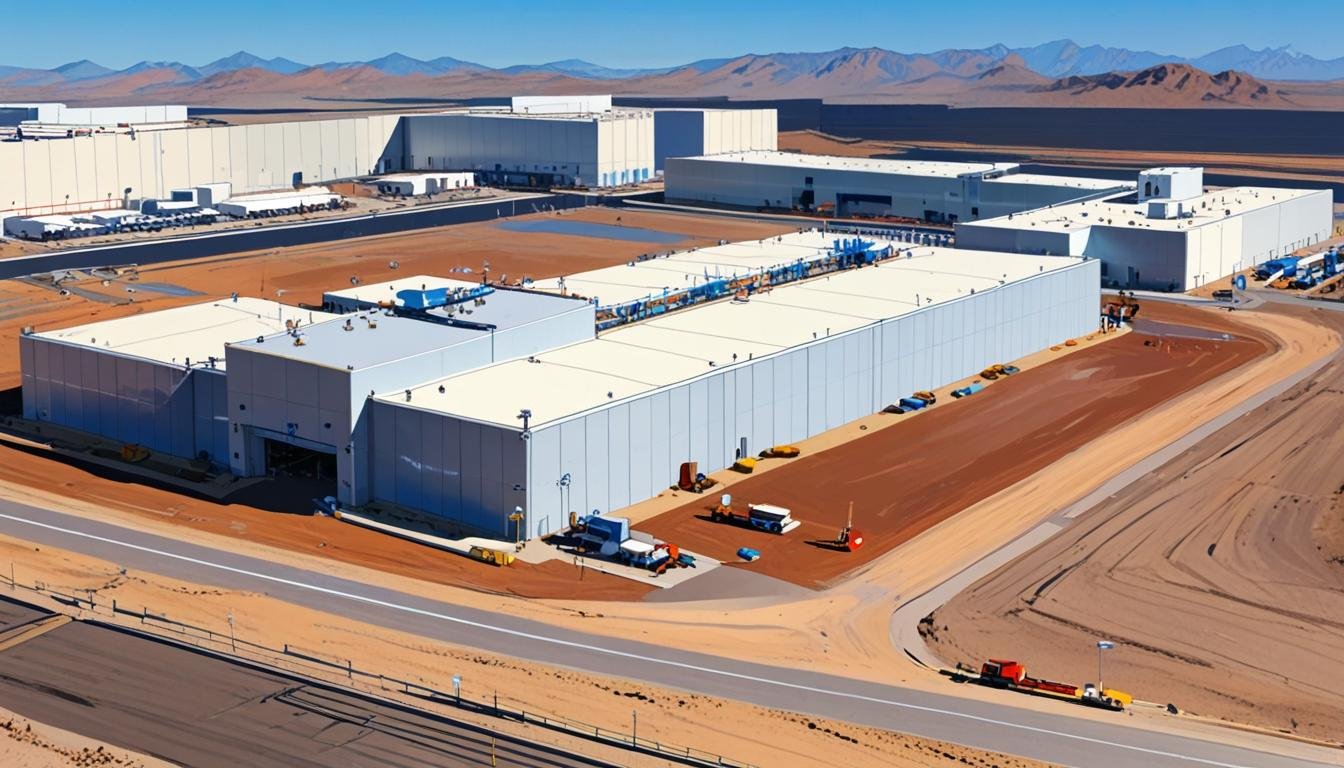
With an overall commitment of $165 billion to US operations, TSMC’s new investment will fund the construction of five additional factories, three fabrication plants, two advanced packaging facilities, and a major research and development centre in Arizona. This expansion marks the largest single foreign direct investment in US history, according to TSMC.

During the announcement, Wei remarked, “With the success of our first fab in Arizona, along with the required government support and strong customer partnerships, we intend to expand our US semiconductor manufacturing investment.” The company, a primary supplier for major technology firms such as Apple, Intel, and Nvidia, aims to reduce the United States’ reliance on semiconductor imports from Asia, particularly in light of supply chain disruptions experienced during the COVID-19 pandemic.
Former President Trump emphasized the strategic necessity of increasing domestic production, stating, “We must be able to build the chips and semiconductors we need right here in American factories.” He noted that TSMC’s investments would enable the company to circumvent proposed tariffs, further incentivising the establishment of semiconductor manufacturing on US soil.
The TSMC investment is seen as an integral step toward enhancing the US’s technological capabilities while fostering economic growth. The company has projected that its expansion could support approximately 40,000 construction jobs over the next four years and create tens of thousands of high-paying, high-tech roles in advanced chip manufacturing and research and development.
The announcement also coincides with discussions surrounding the CHIPS and Science Act, implemented by the Biden administration to promote domestic chip production. While Trump has criticized federal subsidies and suggested imposing tariffs as a means to encourage companies to manufacture domestically, TSMC’s chairman noted that the expansion aligns with ongoing efforts to mitigate vulnerabilities in the semiconductor supply chain.
Moreover, Taiwan’s premier, Cho Jung-tai, indicated the Taiwanese government’s interest in reviewing TSMC’s investments to ensure they bolster the competitiveness of the local semiconductor industry. Officials have expressed concerns regarding TSMC’s potential shift toward American operations, with worries about the ‘Americanisation’ of the company affecting talent retention in Taiwan. However, economics minister Kuo Jyh-Huei downplayed these fears, asserting that TSMC remains vital to Taiwan’s economic landscape.
As TSMC embarks on this investment, it is concurrently exploring potential partnerships that could position it to rival companies like Intel. The market dynamics are shifting as TSMC’s valuation now stands eight times higher than Intel’s, further enhancing its influence in the semiconductor sector.
In summary, TSMC’s commitment to investing in the US is anticipated to reshape the domestic chip manufacturing industry, enhance economic output, and strengthen ties between the US and Taiwan amid complex geopolitical considerations.
Source: Noah Wire Services

