


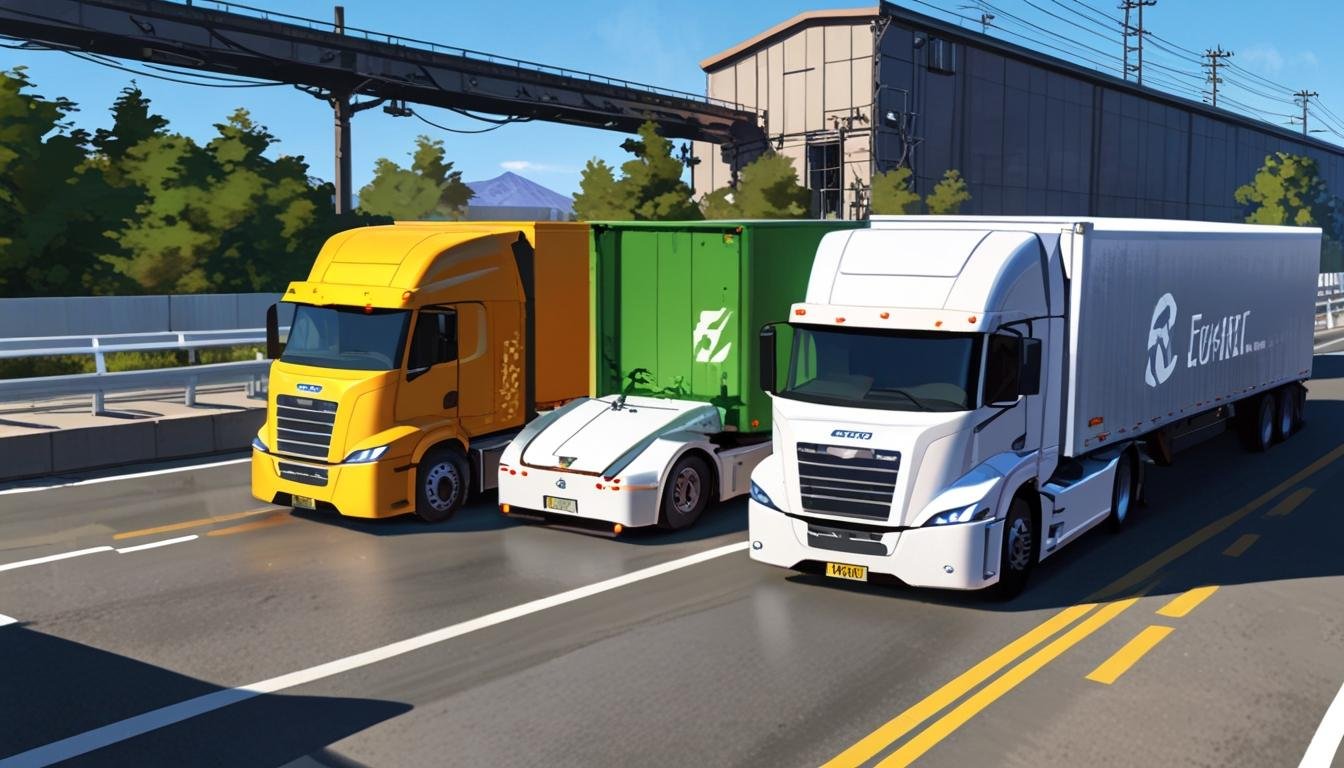
**Global**: The overland transport logistics landscape is transforming as companies adopt data-driven solutions to improve efficiency and sustainability. This shift addresses challenges such as rising fuel costs and market disruptions, reinforcing the sector’s role in supply chain resilience through advanced technologies and collaborative strategies.
The landscape of overland transport logistics is undergoing a significant transformation, driven by the necessity for enhanced efficiency, adaptability, and sustainability. The increasing challenges posed by rising fuel costs, driver shortages, and unpredictable market disruptions are prompting companies to reconsider traditional logistics strategies. In this dynamic environment, businesses are increasingly turning to data-driven solutions to create more resilient and cost-effective operations, marking a notable shift in the global supply chain paradigm.
Martin Hubert, Chief Executive Officer at Freightgate, outlines this evolution in the latest discourse on modern logistics. The current state of overland transport, which serves as a vital link in supply chains by facilitating the movement of goods to distribution centres and customers, has necessitated a reevaluation of conventional processes. Traditional models are proving inadequate against the backdrop of a volatile market characterised by fluctuating conditions.

To combat these issues, companies are embracing a data-driven approach that integrates real-time visibility, predictive analytics, and automation. This comprehensive strategy aims to turn challenges into opportunities by enhancing efficiency and improving service delivery. The applications of this approach include enhanced shipment visibility, dynamic route optimisation using AI-driven technologies, and intelligent freight matching that maximises load capacity while minimising empty miles. By adopting these innovations, overland transport is positioned as a key facilitator of supply chain resilience rather than a point of bottleneck.
A notable aspect of this transformation involves breaking down silos that traditionally plagued communication between shippers, carriers, and third-party logistics providers. Fragmented operations often lead to inefficiencies, including unnecessary delays and increased operational costs. However, leading logistics companies are now utilising advanced digital platforms, such as cloud-based Transportation Management Systems (TMS), to foster seamless collaboration among stakeholders. These platforms enable the sharing of real-time shipment data, automation of freight booking processes, and optimisation of capacity planning, all contributing to enhanced decision-making and overall operational efficiencies.
Predictive analytics further empowers businesses within the overland transport industry by allowing them to anticipate challenges before they arise. Leveraging historical data through AI-driven insights facilitates demand forecasting, risk mitigation, and cost optimisation—all vital components in enhancing the responsiveness of supply chains in uncertain conditions.
In terms of sustainable practices, the transport sector faces increasing pressure to address environmental concerns while maintaining cost-effectiveness. Innovations such as electric and hydrogen-powered trucks are becoming prevalent among major carriers seeking compliance with tightening regulations. Companies are also implementing load optimisation algorithms that ensure efficiency in capacity, thereby reducing both emissions and operational costs. To support these efforts, digital platforms can track carbon emissions and enable businesses to offset their environmental impact, further reinforcing the commitment to sustainability alongside operational efficiency.
As the future of overland transport unfolds, the emphasis is clearly on adopting a digital-first approach. Companies that invest in connectivity, data intelligence, and sustainable practices are poised to achieve a competitive edge in an intricate logistics landscape. Freightgate is acknowledged as a leader in this sector, offering integrated TMS solutions and real-time visibility tools that are reshaping the management of overland transport. Consequently, the integration of innovative technologies and collaborative platforms is critical for businesses aiming to navigate the challenges and seize opportunities presented by the evolving logistics environment.
The commitments to efficiency, sustainability, and technological advancement within the overland logistics sector signal a new era, where those prepared to adapt will drive the future of transport logistics.
Source: Noah Wire Services

