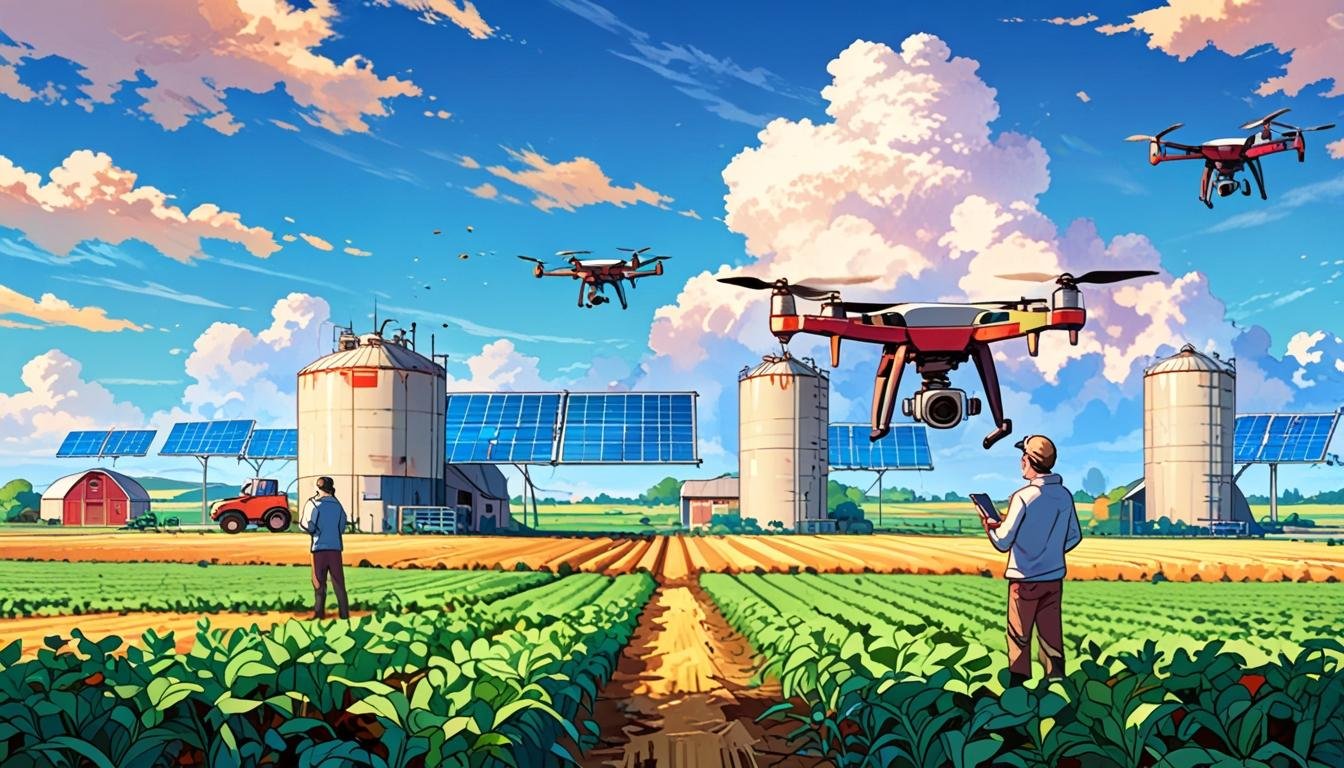
**London**: A recent MIT report reveals AI’s game-changing potential in the food sector, enhancing R&D and supply chain efficiency. Companies embracing innovative data practices could gain a competitive advantage, while addressing challenges in data fragmentation is vital for successful implementation.
A recent report by MIT Technology Review Insights has highlighted the transformative potential of artificial intelligence (AI) in the global food industry, as the demand for nutritious and affordable produce continues to grow. The report, titled “Powering the food industry with AI,” was produced in collaboration with Revvity Signals and is informed by interviews with senior executives and experts from various organisations, including Syngenta Group and the University of California.
Jun Liu, senior product marketing manager for Revvity Signals, stated, “AI is a game changer… Companies that recognise its potential, adopt smart AI strategies, and invest in robust data management infrastructure and practices will gain a competitive edge.” This sentiment underscores the urgency for businesses in the food sector to adopt AI technologies.

Among the report’s key findings is that predictive analytics can significantly speed up research and development cycles in crop and food science, minimising the time and resources previously spent on traditional experimental methods. By using advanced models and simulations, scientists can now evaluate thousands of conditions and genetic variations to identify optimal combinations more efficiently.
Furthermore, the report emphasises that AI can enhance the fragmented supply chain by breaking down operational silos and transforming extensive data into actionable insights. Advanced technologies, such as large language models (LLMs) and chatbots, can facilitate data analysis for farmers and growers, leading to better decision-making processes within food companies.
The report also notes the importance of partnerships in the AI landscape. While major agricultural firms take the lead in AI adoption, significant breakthroughs frequently arise from collaborations that leverage the strengths of academic institutions and start-ups.
However, the report warns that the current fragmentation in data practices poses challenges to widespread AI implementation. It calls for the establishment of comprehensive data strategies that ensure secure information sharing, protect privacy, and standardise data formats.
Laurel Ruma, global director of custom content for MIT Technology Review, highlighted the report’s findings, stating, “AI is revolutionising the way we approach food science, transforming traditional R&D into a data-driven powerhouse of innovation.” This shift could potentially lead to accelerated discovery and optimisation of supply chains across the industry.
As the food sector grapples with increasing demands and environmental challenges, the integration of AI appears poised to play a crucial role in shaping its future.
Source: Noah Wire Services