


**São Paulo**: Brazilian logistics firms innovate with automation and AI as US tariff wars and labour shortages disrupt supply chains. Partnerships like DB Schenker with Senior Sistemas and WEG highlight a surge in tech adoption aimed at efficiency and resilience amid ongoing global trade uncertainties.
Five years after COVID-19 disrupted global supply chains and logistics, the sector is grappling with new challenges stemming from a tariff war initiated by the US administration. The ongoing effects of the pandemic, particularly the mismatch between supply and demand, have exacerbated issues with inventory and logistics flows. As companies continue to navigate these complexities, an essential question arises: Can technology provide a solution?
Luís Marques, CEO for Brazil and Argentina at the logistics provider DB Schenker, posits that technology plays a crucial role during disruptive periods, enhancing productivity and driving down costs for both logistics firms and their clients. Speaking to BNamericas during the Intermodal South America 2025 conference held in São Paulo from April 22-24, he stated, “When there’s a disruption, as with COVID, everyone looks for a logistics solution; everyone values the logistics operator.” Marques advocates for the continued global trade flow, emphasising that if regions produce solely for self-consumption, it could drastically limit the logistics sector’s operations.

DB Schenker collaborates with local software company Senior Sistemas to leverage various technological solutions aimed at optimising logistics, featuring automation and real-time operational visibility. Senior Sistemas counts prominent firms such as Maersk, Volkswagen, and major retail brands like Nike and Adidas among its clients. According to Marcos Paulo Malagola, Senior’s business director for logistics, logistics-related revenues account for 20% to 25% of the company’s annual sales, indicating substantial growth potential within this sector. Malagola noted that the recent tax reform also opens new avenues for growth, prompting many systems to require updates.
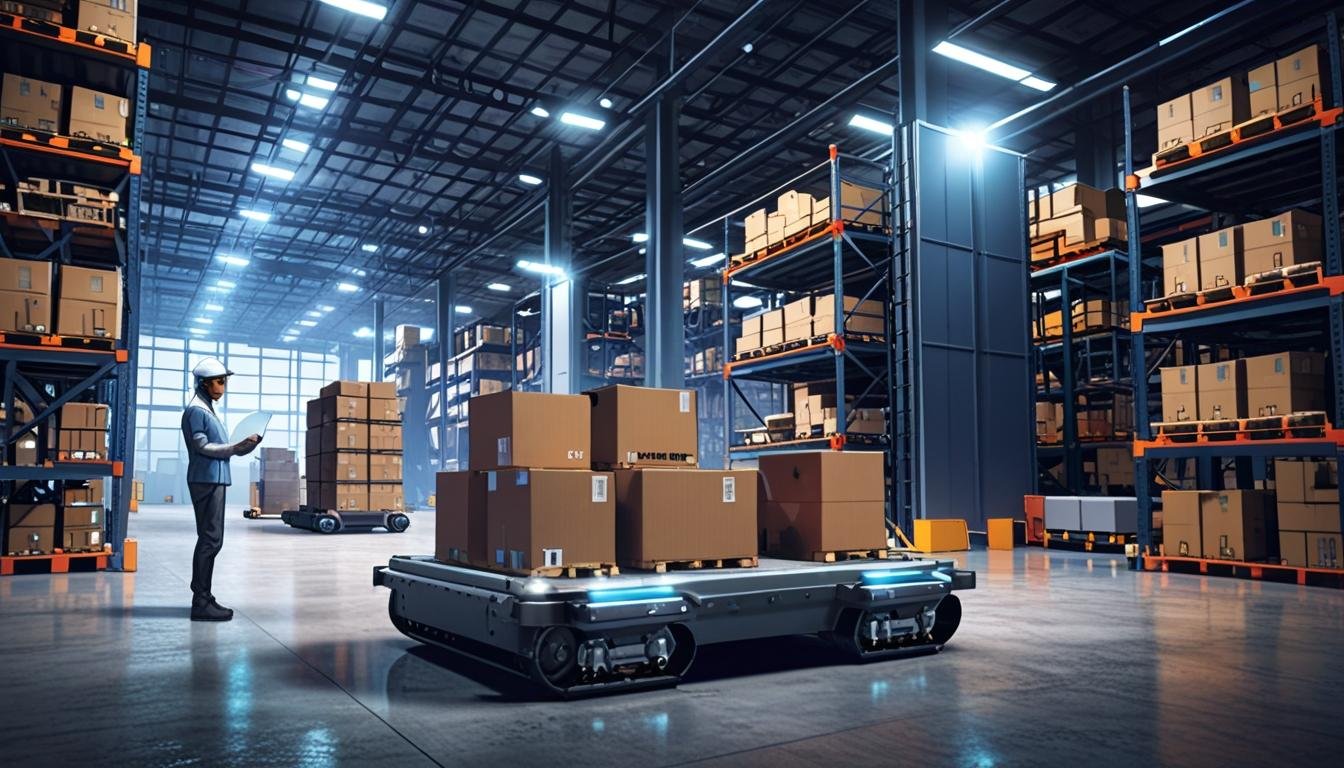
Recently, Senior Sistemas has partnered with industrial equipment manufacturer WEG to launch innovative logistics technology that integrates WEG’s Mobile Robot (WMR) with Senior’s warehouse management system (WMS). This initiative signals a milestone in Brazilian technological integration, optimising intralogistics processes through automation. WEG’s sales chief, Pedro Havranek do Nascimento, remarked on the operational efficiency benefits aimed at reducing unnecessary human movement in factories: “Since 2023, we have been making this technology available to our customers, with returns on investment (ROI) typically less than 18 months.”
However, despite technological advancements, a critical challenge remains: labour shortages in logistics. Malagola highlighted that many businesses are increasingly exploring automation and software solutions to boost productivity in light of this bottleneck. Another significant player in the logistics sector, Totvs, reported revenues of 5.4 billion reais (approximately US$950 million) in 2024, representing a 17.5% increase from the previous year, largely attributed to its cloud-based logistics solutions. Angela Gheller Telles, Totvs’ head of logistics and manufacturing, observed a substantial rise in digitisation within the last four years, with the company aiming to increase its logistics solution customer base from 1,800 to around 2,000.
Management software company Benner is also expanding its focus on logistics, particularly in AI-based technologies applicable to warehouses and cargo transportation. Founder and CEO Severino Benner expressed that despite high technology costs in Brazil, local companies have begun to provide more affordable automation solutions, allowing for gradual adoption in areas such as inventory management.
Pedro Francisco Moreira, president of logistics association Abralog, noted the declining costs of technology and observed a shift among managers viewing technology as a return on investment rather than an expense. He emphasised that AI has become an integral part of logistics strategies.
As the logistics landscape continues to evolve, industry experts suggest that companies must adopt resilience and adaptability in their operations. Marcelo Zeferino, CCO of the shipping firm Prestex, remarked on the need for enhanced planning to meet both growth and economic challenges in 2025. Prestex focuses on customised solutions for emergency B2B cargo transportation, underscoring the importance of agility in the current logistics climate.
Source: Noah Wire Services

