


**London**: The foodservice industry is transforming its approach to sustainability, driven by legislation and consumer demand. Local sourcing, waste reduction and inter-industry collaboration are now crucial as businesses adapt to climate change and resource scarcity, ensuring long-term viability and resilience in operations.
The conversation surrounding sustainability in the foodservice industry has undergone significant transformation, as outlined in an article from MENU Magazine. Unlike fleeting trends, the pursuit of sustainable practices is a long-term imperative attached not only to consumer preferences but also to legislation, corporate policies, and the undeniable realities of environmental change.
In recent years, governments around the world have implemented stricter regulations demanding businesses minimise waste, rein in carbon emissions, and rethink their supply chains. These developments are fundamentally reshaping how foodservice operations function. Rising global temperatures and changing weather patterns have increased the urgency for businesses reliant on a steady supply of food to adapt quickly to climate volatility and resource scarcity. This need for resilience has necessitated a shift in how foodservice entities source their ingredients and manage their operations.

Experts in the field have noted that in foodservice, sustainability is not a choice but a necessity. As articulated in the article, “if I had to summarise the three big themes underlying the sustainability conversation… they would be local sourcing and supply chain resilience, waste reduction and circular economy development, and inter-industry collaboration.”
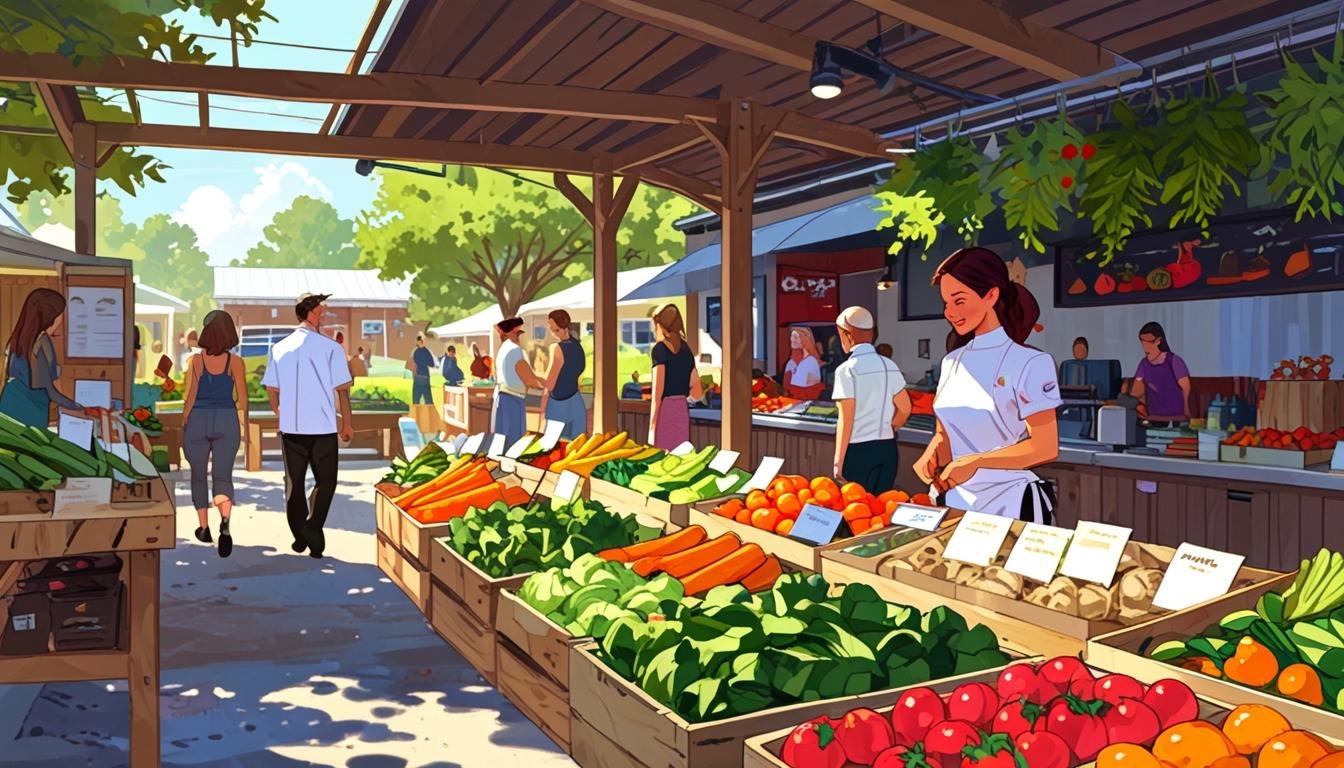
One of the pivotal shifts is the movement towards local sourcing, which is not merely a trend in culinary tourism but has evolved into a matter of operational resilience. As global supply chains face increasing fragility, restaurants are fostering relationships with local suppliers as a strategy to ensure reliability. By sourcing ingredients from nearby farms, foodservice operators not only reduce transportation emissions but also contribute to local economies and offer diners fresher, more traceable options. These relationships enable culinary innovation that emphasises hyper-seasonal dishes, capturing the essence of regional flavours.
Furthermore, the article highlights opportunities for restaurants to engage with local food systems, such as cultivating their own ingredients, hosting culinary tours, or embracing traditional preservation methods. Additionally, transparency around the sourcing of ingredients is becoming increasingly vital, prompting restaurants to implement carbon labelling and storytelling through marketing.
Waste reduction remains a critical focus within the foodservice sector. Despite widespread awareness, an alarming 46.5 per cent of food is wasted annually, with 41.7 per cent still deemed edible, according to Second Harvest, Canada’s largest food rescue organisation. Responding to this issue, restaurants are adopting stringent inventory management practices, integrating technology for food redistribution, and partnering with organisations focused on food rescue. Initiatives like those orchestrated by Too Good To Go and Second Harvest play a significant role in redirecting surplus food to those in need.
Packaging waste, particularly evident in the takeout boom, poses another area of concern. Companies are innovating towards a more circular economy in food packaging by creating reusable solutions that allow customers to return containers instead of discarding them. This trend reflects an industry-wide commitment to embed sustainability into standard practices rather than waiting for consumer demand.
The article also underscores the importance of inter-industry collaboration. While individual restaurant practices are essential, systemic change necessitates collective action across the entire food ecosystem, from farmers to consumers. Larger brands like McDonald’s are using their purchasing power to influence sustainability practices throughout supply chains, alongside smaller establishments forming coalitions to share best practices and advocate for industry-wide initiatives.
In conclusion, as the foodservice industry grapples with ongoing legislative changes and evolving consumer expectations, the path towards sustainability will continue to be a critical focal point. By embedding sustainability into the very fabric of operations and recognising the inherent ties between food production and the environment, businesses in this sector aim for long-term viability and resilience against the challenges posed by climate change and resource depletion. The industry’s ability to adapt, innovate, and collaborate will determine the outcomes of its sustainability initiatives as the landscape evolves in the coming years.
Source: Noah Wire Services

