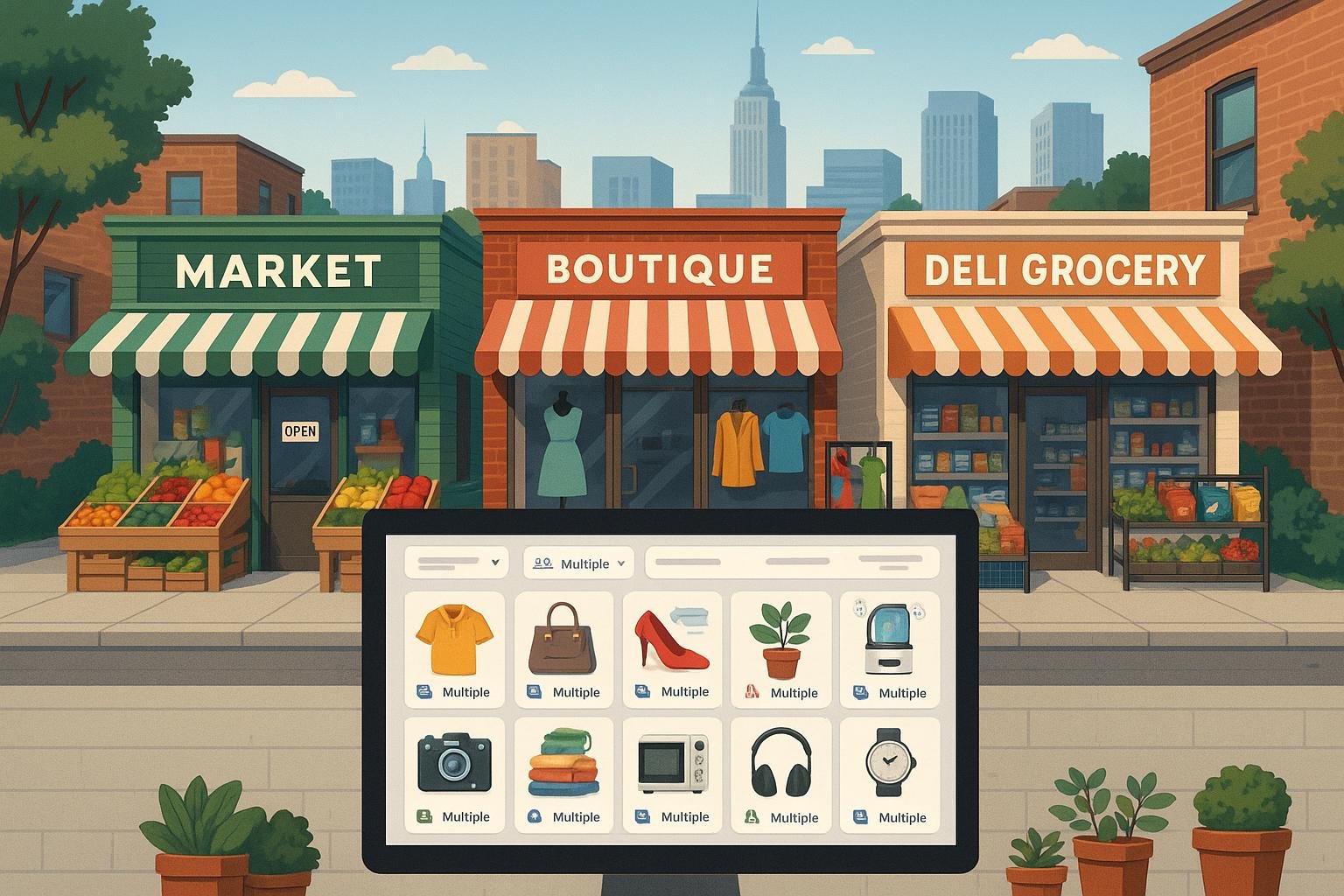
Small and mid-sized retailers across the United States are quietly redefining how they obtain everyday home goods, driven by higher costs, shipment bottlenecks and shifting consumer tastes that demand both design and value.
Where once local wholesalers were the default, many independent shops and e-commerce operators are broadening their supplier strategies to include direct relationships with overseas manufacturers, regional nearshoring partners and dropship networks. Accordin...
Continue Reading This Article
Enjoy this article as well as all of our content, including reports, news, tips and more.
By registering or signing into your SRM Today account, you agree to SRM Today's Terms of Use and consent to the processing of your personal information as described in our Privacy Policy.
g to TechBullion, this movement is particularly pronounced in categories such as kitchenware, small appliances and other household essentials, where variety and speed-to-market have become commercial priorities.
The move away from traditional, single-source buying reflects a wider industry recalibration. A recent survey reported by MHL News found that 91% of executives have already altered or intend to change their sourcing plans within six months, with 71% saying they will increase procurement from U.S.-based small suppliers and 17% having reshored or begun reshoring production. Those figures underline an emerging emphasis on resilience and responsiveness rather than simply minimising unit costs.
Digital intermediaries and platform services are playing a central role in lowering barriers to more complex sourcing strategies. China-sourcing services, curated home-appliance wholesale platforms and dropship integrations linked to commerce systems such as BigCommerce are enabling smaller businesses to access verified manufacturers, manage logistics and test short production runs without large capital outlay. According to a sponsored piece in LA Progressive, businesses are favouring structured sourcing relationships with professionals who understand local factory standards and quality-control practices, rather than one-off transactional buys.
Retailers are also diversifying geographically. Industry reporting highlights a trend toward regionalised, multi-hub strategies, nearshoring to Mexico, expanding into Southeast and South Asia, and sourcing from a broader set of suppliers, to reduce exposure to tariffs, geopolitical disruption and long transit times. A study cited by Kase indicates supply-chain leaders are rebuilding logistics networks for resilience as much as speed heading into 2026, while reporting in MHL News describes a broader restructuring of global sourcing patterns.
For independent stores in smaller markets, these changes offer tangible commercial opportunities. Access to a wider array of curated items allows independents to distinguish their assortments from mass-market competitors by offering unique products, private-label options and flexible batch sizes that reduce inventory risk. TechBullion notes that retailers can now more readily trial trend-driven or seasonal items, shortening the months-long supplier discovery cycles that once constrained product experimentation.
At the same time, retailers face new operational demands. Greater supplier variety increases the complexity of compliance, quality assurance and logistics coordination. Industry commentary stresses the importance of transparency and robust partner relationships to manage these risks, points echoed in the LA Progressive analysis, which argues that resilience depends on clear standards and oversight of overseas production, not merely diversifying supplier locations.
Dropshipping and platform-driven fulfilment have emerged as alternative models for merchants reluctant to hold stock. Guides from fulfilment service providers point to benefits such as lower capital requirements and faster product assortment testing, but they also caution that reliance on third-party fulfilment shifts control over delivery performance and product quality, requiring careful partner selection.
Looking forward, sourcing is no longer a back-office function but a strategic lever that shapes competitiveness. Industry data and executive surveys suggest that businesses willing to combine digital sourcing tools, selective nearshoring and disciplined supplier relationships will be better placed to serve rapidly changing consumer preferences while managing supply-chain risk. For smaller retailers, the challenge will be to balance the opportunities of broader sourcing reach with the governance and quality controls necessary to sustain customer trust.
Source: Noah Wire Services