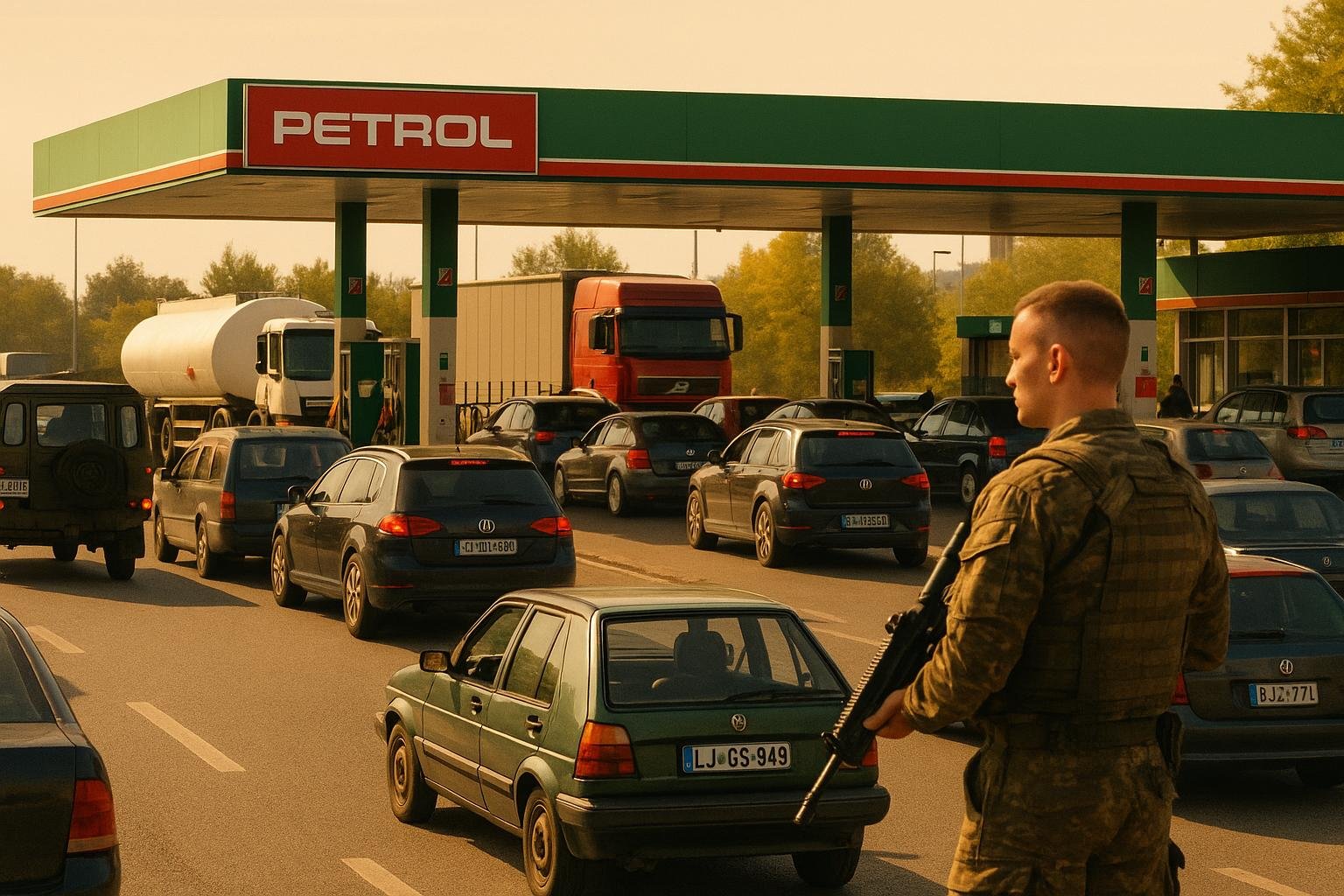
Slovenia has imposed nationwide limits on petrol and diesel purchases and mobilised the armed forces to help distribute fuel, as authorities seek to contain sudden, cross-border-driven demand that has strained retail supplies and exposed weaknesses in regional fuel logistics.
Under rules announced this month, private motorists may buy no more than 50 litres per day while businesses, including hauliers and agricultural users, are capped at 200 litres. The measures will remain in...
Continue Reading This Article
Enjoy this article as well as all of our content, including reports, news, tips and more.
By registering or signing into your SRM Today account, you agree to SRM Today's Terms of Use and consent to the processing of your personal information as described in our Privacy Policy.
place until further notice, the government says. Military personnel have been pressed into service to support transport and delivery operations, a sign of how the disruption has shifted from commercial to state-managed logistics.
According to reporting by ANSA and BalkanEnergy, the government has begun a phased release from strategic reserves to relieve pressure on petrol stations; Environment, Climate and Energy Minister Bojan Kumer told reporters the releases are intended to support distribution networks rather than signal an outright supply collapse. ANSA also reported that Vienna-based motorists searching for cheaper fuel have been a major driver of the spike in demand, prompting the decision to lower excise duties earlier this month in an effort to blunt global price shocks.
Industry sources and Spanish broadcaster Cadena SER say the supply stress has been acute: roughly half of service stations reported diesel shortages at one point and some border sites ran dry as “fuel tourism” concentrated purchases at a handful of forecourts. Retailers, they add, have struggled to replenish tanks fast enough because distribution flows were overwhelmed by unusually high volumes and panic buying.
The government announced it would release up to 30 million litres from national strategic stocks while prohibiting exports of those emergency supplies to keep fuel inside the country. Official figures show Slovenia’s reserves total around 700 million litres, a buffer that covers only a limited number of months at normal consumption rates, underscoring how rapidly such stocks can be drawn down in a crisis.
International market turmoil has compounded the domestic picture. Reporting compiled by Planet News notes oil benchmarks have surged, with Brent crude trading above $119 a barrel and West Texas Intermediate moving past $108, while the International Energy Agency authorised an unprecedented coordinated release of emergency crude from member countries to stabilise markets. Euronews has highlighted wider European exposure, citing elevated wholesale gas prices and EU-level emergency measures to reduce consumption and cap prices in response to the conflict in the Middle East.
Slovenia’s largest fuel distributor has cautioned that the current interventions may only provide temporary relief and that the country remains heavily reliant on imported refined products from European refineries, some of which source crude from the Middle East. BalkanEnergy quoted Minister Kumer saying there is no immediate threat to national energy security, but that logistical bottlenecks and concentrated cross-border demand have created localized scarcity.
The crisis has stirred debate over EU rules on intra‑community fuel purchases. Government officials said measures specifically aimed at foreign buyers could conflict with EU law, so they have instead urged neighbouring capitals to discourage outbound fuel trips by their citizens. Critics say that approach highlights the vulnerability of smaller member states when supply disruptions interact with free movement across borders.
Agricultural firms and road hauliers have been particularly affected because diesel is central to their operations; many rushed to secure fuel ahead of restrictions, pushing up demand further. The government has called on distributors to improve coordination and provide frequent updates on station stocks to inform policy decisions, while Prime Minister Robert Golob has not ruled out additional steps, including tighter controls on purchases by non-residents.
As Europe contends with higher energy costs and strained supply chains, analysts say Slovenia’s experience illustrates how geopolitical shocks in distant theatres can quickly translate into domestic shortages and heavier state intervention. According to Cadena SER, unless international pressures ease and distribution systems adapt, other countries in the region could face similar measures.
Source: Noah Wire Services