


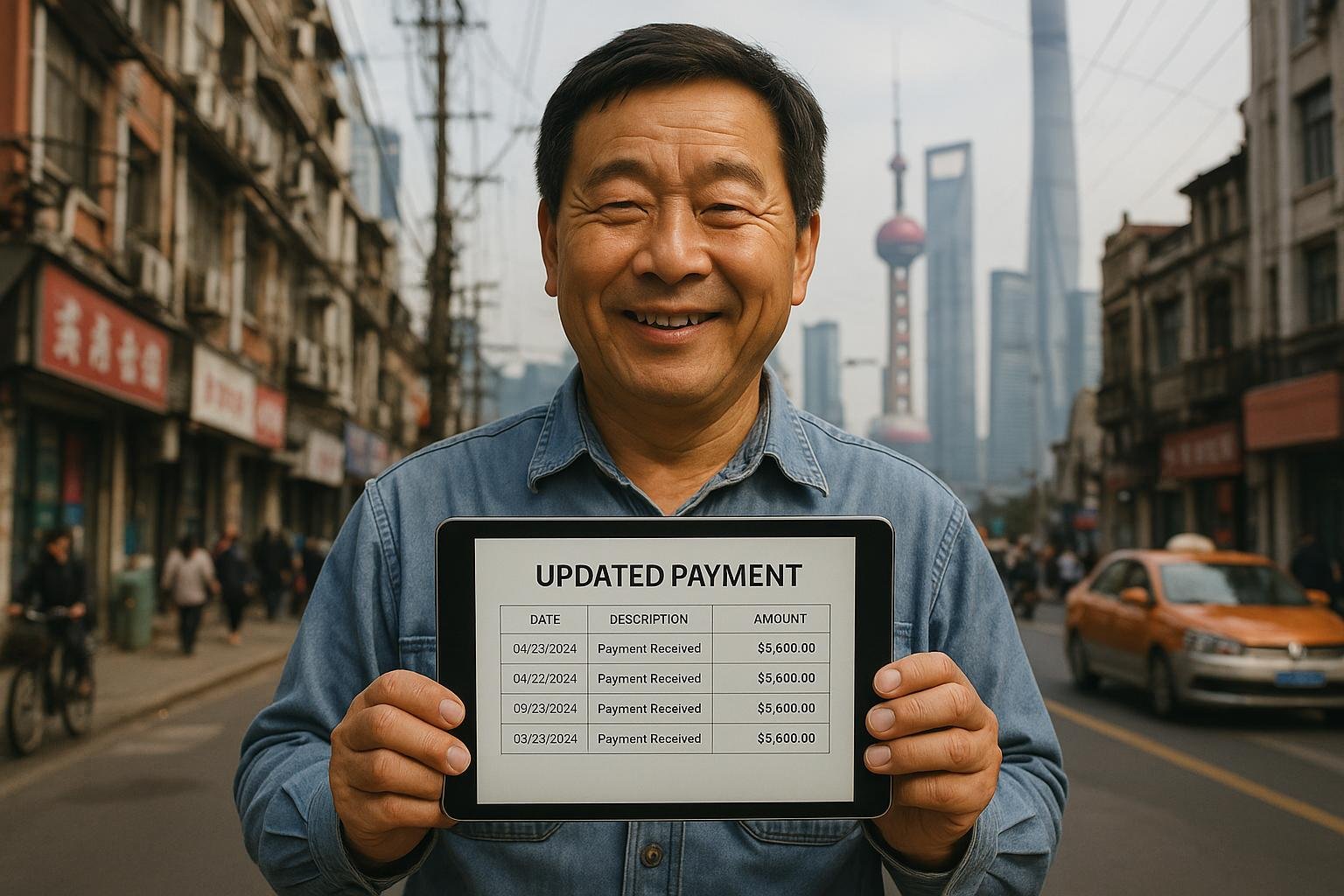
Shanghai authorities introduce a task force and disclosure measures to combat prolonged payment cycles and strengthen oversight of large firms, aiming to shield small and medium-sized suppliers amid broader national efforts to curb abusive payment practices.

Shanghai municipal authorities have moved to tighten oversight of widespread delayed-payment practices in the manufacturing sector, creating a task force and promising new disclosure measures to protect thousands of...
Continue Reading This Article
Enjoy this article as well as all of our content, including reports, news, tips and more.
By registering or signing into your SRM Today account, you agree to SRM Today's Terms of Use and consent to the processing of your personal information as described in our Privacy Policy.
According to the South China Morning Post, Gu Jun, deputy secretary general of the municipal government and director of the city’s development and reform commission, told a press conference a task force has been established to ensure money owed to vendors is paid promptly. Gu said an information disclosure mechanism would be introduced to help supervise firms that fail to comply and that authorities could either force companies to repay immediately or make their names public to safeguard the interests of SMEs.
The municipal move comes amid a broader national push to rein in abusive payment practices. According to China Daily, Shanghai’s legislature revised the Regulations of Shanghai Municipality on Optimizing the Business Environment, with amendments effective from January 1, 2026, that explicitly prohibit large firms from exploiting market dominance to impose unfair payment terms or delay settlements to smaller suppliers. The revisions are presented as part of efforts to bring local governance in line with higher global standards for market behaviour.
The policy shift echoes recent sectoral commitments. According to China Daily, major automakers including BYD, China FAW Group and Geely Auto have pledged to shorten payment timelines to suppliers to within 60 days, a response framed as protecting industrial-ecosystem stability after suppliers reported delays of nine months or longer. Earlier reporting by the South China Morning Post noted similar pledges by more than a dozen carmakers following regulatory guidance aimed at stabilising the auto market.
Industry and trade-credit data underline why officials are acting. A survey by trade credit insurer Coface, reported by Global Trade Review, found that average payment terms in China rose from 70 days to 76 days in 2024 and that nearly half of respondents had experienced “ultra-long” payment delays of over 180 days, increasing non-payment risk for suppliers. The report suggests prolonged payment cycles are being used as informal working capital by large buyers amid intensifying price competition.
Shanghai’s approach also mirrors tougher enforcement on delayed wage payments. Government sources said the city has expanded labour inspections and will publish the names of employers who repeatedly delay salaries, apply compensation penalties and record offences on corporate credit files, a practice intended to deter withholding of employee pay.
Officials present the task force and disclosure mechanism as pragmatic tools to restore liquidity to vulnerable suppliers and curb market distortions caused by extended payment terms. Critics and suppliers, however, say enforcement will be key: speaking to the South China Morning Post, some supply-chain vendors welcomed the measures but stressed past pledges by large buyers have sometimes lacked independent monitoring and sanctions.
The municipal actions are likely to be tested in sectors where competition and compressed margins incentivise buyers to delay payments. Industry data and recent corporate pledges indicate a mix of voluntary commitments and regulatory nudges; Shanghai’s new disclosure powers and the January 2026 regulatory revisions will provide authorities with clearer legal bases to compel compliance or apply reputational sanctions.
For suppliers reliant on timely cash flow, the combination of public naming, potential forced repayment and tighter local regulations marks a notable shift from prior reliance on voluntary corporate assurances to a model incorporating administrative oversight and legal prohibition of abusive payment terms. Whether those tools will materially shorten payment cycles across the city’s manufacturing ecosystem will depend on the task force’s resources, the transparency of the disclosure mechanism and the consistency of enforcement.
Source: Noah Wire Services
Subscribe to Industry Updates

